
How Cycling Reduces Your Carbon Footprint
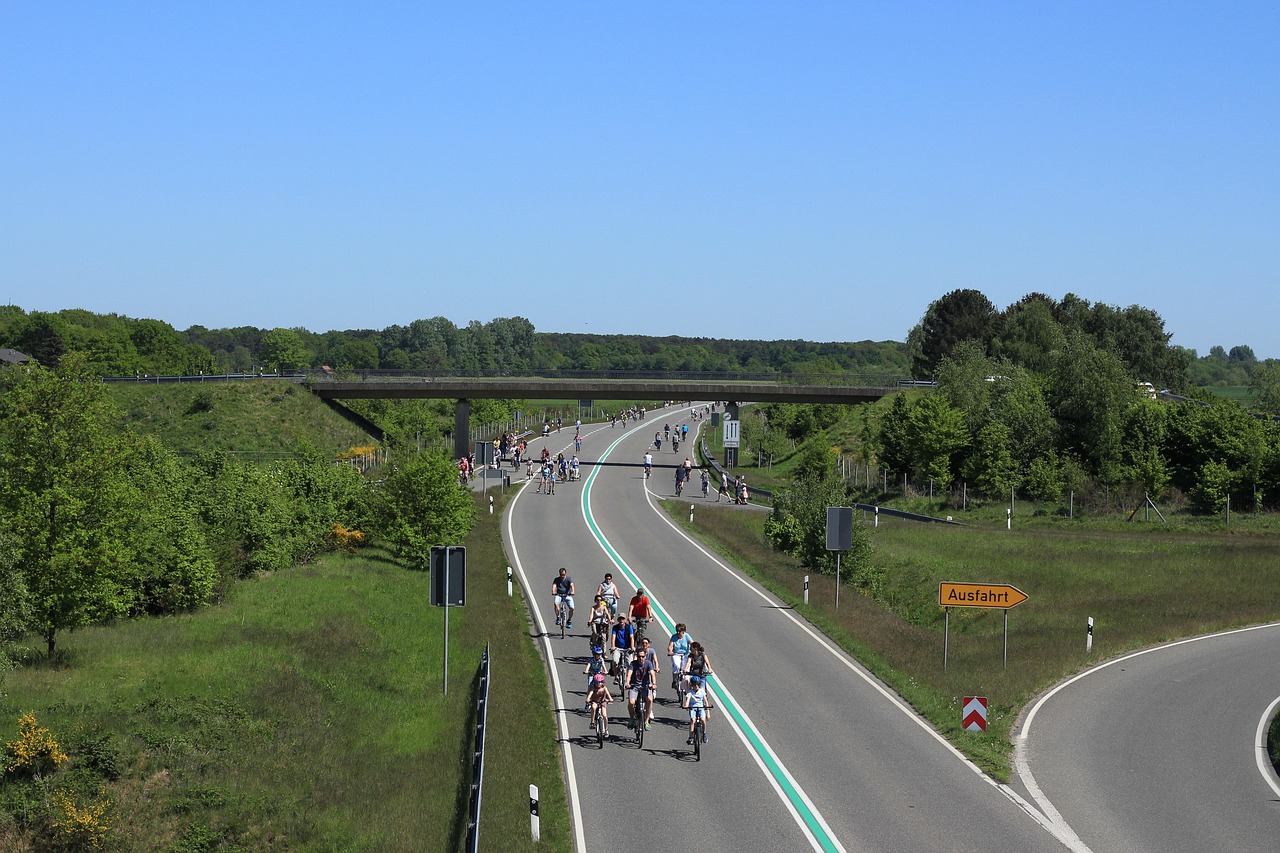
Cycling has emerged as one of the most effective and environmentally friendly modes of transportation available today. By choosing to ride a bicycle instead of driving a car, individuals can significantly reduce their carbon emissions. Bicycles do not emit harmful gases like carbon dioxide and nitrogen oxides, which are prevalent with motor vehicles. Additionally, cycling consumes far less energy and fossil fuels when compared to traditional cars and trucks, which are among the leading contributors to climate change. By making a conscious choice to opt for cycling, people not only contribute to their health and fitness but are actively combating global warming. Most importantly, every mile ridden avoids the emission of over one pound of carbon dioxide, which adds up considerably over time. Furthermore, urban planners are increasingly recognizing the necessity of bicycle-friendly infrastructure, which promotes cycling as an alternative to motor vehicle use. As more cyclists fill the streets, neighborhoods become less polluted and more vibrant, enhancing the overall quality of life. Embracing cycling is a step towards creating a sustainable future for generations to come.
In addition to reducing individual carbon footprints, cycling contributes to the reduction of traffic congestion in cities. Motor vehicles are notorious for causing significant traffic jams, which leads to increased idling and fuel consumption. As cyclists take to the roads, they minimize the number of cars on the streets. This contributes to less congestion, faster travel times, and reduces the overall carbon output from vehicles idling in traffic. When bicycles are integrated into public transportation systems, their benefits multiply. Many cities are implementing bike-sharing programs that encourage more people to cycle instead of drive. These programs make bicycles readily available to individuals who may not own one, fostering a culture of cycling. With the ease of access, people are often more inclined to choose a bike over a car for short trips, further mitigating air pollution. Furthermore, by investing in cycling infrastructure, cities can enhance their appeal, making them more attractive to residents and businesses. Ultimately, increased cycling leads to healthier communities and a marked improvement in urban air quality, thus demonstrating the multifaceted benefits of promoting cycling.
The Health Benefits of Cycling and the Environment
Cycling not only benefits the environment but also promotes personal health. Engaging in cycling sessions provides individuals with substantial cardiovascular benefits while being low-impact on joints. When cycling regularly, individuals can improve their fitness levels, lower their risk of diseases, and enhance their mental well-being. Improved personal health also correlates with fewer medical emergencies related to pollution-induced ailments, resulting in lower healthcare costs. The relationship between a cleaner environment and personal health should not be underestimated. Healthier populations ultimately contribute less to environmental-imposed costs, such as healthcare associated with diseases exacerbated by pollution. Additionally, a direct relationship exists between cycling and the reduction of greenhouse gases. Increased cycling participation promotes a sense of community, as cyclists often share common roads and paths, fostering social connections among individuals. Moreover, cycling encourages a sustainable lifestyle that aligns with eco-friendly values—creating a ripple effect, inspiring others to consider anthropogenic impacts. As more individuals choose cycling, the collective impact serves as a powerful statement. Ultimately, promoting cycling is a multi-faceted strategy that enhances both public health and environmental sustainability.
Another striking benefit of cycling as a solution to environmental problems concerns urban development. Many cities are moving towards more bicycle-friendly planning, leading to reduced reliance on cars. Not only does this mitigate air pollution, but it also decreases place congestion, thus improving the quality of urban living. Bicycle lanes, bike-sharing stations, and related infrastructure promote safer roads for cyclists and pedestrians alike. Urban areas designed with cycling in mind often experience revitalization, bolstering local economies. Healthier populations lead to less traffic-related stress and increased community engagement. By prioritizing cycling, cities show a commitment to reducing their environmental impact, leading to more sustainable communities. Additionally, environments with ample biking facilities experience greater green space utilization. More people on bicycles means a decreased necessity for expansive parking spaces, and areas can be repurposed into parks, gardens, or community spaces. Cycling infrastructure also leads to reduced wear on road surfaces, translating into lower maintenance costs for local governments. Thus, cycling emerges as a catalyst for innovative design in urban areas, creating a harmonious balance between nature and human activity.
Cycling and Climate Change Mitigation
As the effects of climate change become increasingly apparent, the role of cycling in combating environmental degradation becomes undeniably critical. Transportation accounts for a significant share of greenhouse gas emissions globally, and reducing dependency on traditional vehicles is essential for climate change mitigation. Increased cycling presents an actionable solution to this pressing issue. Furthermore, initiatives promoting cycling can be a game changer in urban centers facing pollution challenges. With ongoing global discussions on climate policies, raising awareness about cycling’s benefits is essential. By encouraging communities to shift towards cycling for their daily needs, we can significantly reduce emissions over time. Educational campaigns, local incentives, and improved accessibility can motivate individuals to consider cycling trend. Government policies that prioritize cycling infrastructure support reduction efforts while promoting active lifestyles. Cycling offers a practical alternative for commuting short distances, and widespread adoption will lead to significant reductions in emissions. As a global community, recognizing cycling’s role in climate solutions is imperative. Supporting this shift fosters collaboration and positive societal trends that benefit environmental sustainability, thereby ensuring a healthier planet for future generations.
A vital aspect of cycling as a sustainable form of transportation is its contribution to resource conservation. With a bicycle, individuals utilize fewer natural resources than cars, diminishing the demand for fossil fuels. This reduced consumption leads to less environmental degradation associated with drillings, such as oil spills and habitat destruction. Bicycles require minimal maintenance and are often made from recyclable materials, contributing to a sustainable lifecycle. Furthermore, with the promotion of cycling, there arises a greater emphasis on sustainability practices, like local sourcing of products. By fostering a culture that supports cycling, communities gradually embrace other environmentally friendly actions that reduce waste and consume responsibly. Many cities are now adopting eco-friendly policies for cycling equipment, such as electric bikes that run on renewable energy sources. This not only emphasizes the dual benefits of cycling but enhances the green economy. Additionally, as people turn to cycling, they can begin to realize how their consumption habits impact the environment, leading to enhanced eco-conscious communities. This awareness can galvanize collective action towards a more sustainable future, illustrating the far-reaching implications of choosing cycling over driving.
Conclusion: Advocating for a Cycling Culture
In conclusion, cycling prevails as an effective solution in combating climate change and emphasizes the importance of sustainable living practices. The advantages of cycling extend beyond individual benefits, fostering community wellness, reducing emissions, and contributing to healthier urban environments. By prioritizing cycling in urban planning, cities can advance climate goals while empowering more individuals to shift their daily transportation habits. Moreover, as pedestrian-centric environments develop alongside cycling infrastructure, communities experience revitalization, promoting local businesses and higher quality of life. Investing in cycling also encourages a sense of responsibility among residents, illustrating how collective efforts can drive substantial changes. Creating awareness about the profound impact cycling can have on reducing carbon footprints should become a central aspect of environmental campaigns. As communities advocate for cycling, they pave the way for cleaner air and a more sustainable future. Local governments, organizations, and individuals must collaborate to enhance cycling infrastructure and education, ensuring accessibility. Ultimately, the idea is to realize cycling not as merely a transport option but as a powerful tool for substantial, positive change in our world.
Society faces many pressing issues regarding climate change, and cycling emerges as a logical and exhilarating solution. By promoting cycling, we can connect the dots between personal choices and larger environmental impacts. This multifaceted approach unites health and sustainability, intertwining urban living with eco-consciousness. The journey toward a greener future can commence with each pedal stroke, representing a powerful alignment of lifestyle and environmental stewardship. Together, by embracing cycling as a norm, we can contribute to cleaner air, healthier lives, and sustainable communities. Individual actions culminate in collective impact, and the cycling movement stands as a beacon of hope for future generations. Notably, biking creates connections among individuals while reinforcing the importance of sustainable practices for societies. Engaging with community programs focused on cycling awareness fosters unity. Riding together becomes a statement underscoring the significance of embracing active lifestyles alongside earth-friendly choices. Ultimately, promoting cycling catalyzes a transformative journey, where each person plays their part. The unparalleled benefits created through cycling energize personal engagements while forwarding societal change, emphasizing the profound connections formed through sustainable living. Altogether, cycling’s role in the future is not merely an option but an imperative.