
Balance Exercises to Complement Your Home Cardio Routine
Incorporating balance and stability exercises into your home workouts can significantly enhance your overall fitness routine. Not only do these exercises improve your body’s coordination and equilibrium, but they also help prevent injuries, especially when performing high-intensity cardio workouts. Balance training improves core strength and stability, which is essential for effective movements during cardio sessions. By focusing on these exercises, you bolster your body’s ability to maintain control and perform demanding exercises efficiently. Furthermore, adding balance training provides more variety to your routine, ensuring that workouts remain stimulating and enjoyable. Consider integrating balance exercises into your current regime, as they complement cardio routines beautifully without needing extensive equipment. A simple mat or even a sturdy chair can be sufficient for performing these exercises. Many exercises can be modified to suit various fitness levels. Whether you’re a beginner or an experienced athlete, balance training can be tailored to your abilities. Making this addition to your workouts can lead to better posture, enhanced athletic performance, and more effective calorie burning. Embrace the challenge, and you will likely notice impressive improvements in your overall fitness levels.
One effective balance exercise is the single-leg stand. This foundational move targets your leg muscles and challenges your core stability while improving balance. To perform it, stand tall on one leg while lifting the opposite leg slightly off the ground. Engage your core, keeping your back straight and hold for 30 seconds. You can progress this exercise by closing your eyes or performing small movements with the lifted leg. Another great option is the tree pose, derived from yoga. This pose not only encourages stability but also enhances focus. Start by standing on one leg and placing the foot of the opposite leg on your inner thigh, calf, or ankle. Raise your arms above your head and hold for 30 seconds. Both exercises can be repeated several times as your balance improves. Additionally, incorporating movements that involve dynamic balance, like lateral lunges, can effectively challenge your stability while engaging multiple muscle groups. To execute this, step to one side, lowering your body towards that leg while keeping the opposite leg straight. This engages the balance while working the hip and thigh muscles.
Dynamic Balance Movements
Enhancing your stability and balance with dynamic exercises can really set your workout apart. Dynamic balance involves movements that require maintaining balance while moving, making it ideal for integrating into cardio workouts. One excellent exercise is the walking lunge, which combines strength and balance training. To execute the walking lunge, step forward into a lunge position, alternating legs. Focus on engaging your core and maintaining an upright torso throughout. This compound exercise challenges your balance as well as strengthens your legs and glutes simultaneously. Moreover, you might try toe-to-heel walk, where you walk in a straight line placing the heel of one foot directly in front of the toes of the other. This improves your proprioception and helps sharpen your focus. You can also set a marker on the ground as a visual cue, enhancing the difficulty and effectiveness of this exercise. Adding these activities to your regimen will enrich your workout experience while enhancing your stability to perform other movements effectively and safely. Regular practice leads to significant advancements in your balance, translating into impressive performance improvements across various activities.
The plank is another beneficial exercise for increasing stability and core strength. Position yourself in a push-up stance, keeping your elbows aligned beneath your shoulders, and maintain a straight line from head to heels. Hold this position for a designated time, ensuring your core is engaged and your hips aren’t sagging. For a balance challenge, try lifting one leg while maintaining the plank, alternating legs. This slight modification requires additional focus, increasing your stability skills. Balance-seeking movements, such as side leg lifts, contribute to strengthening your core and stabilizing muscles, enhancing functionality in daily life. In this exercise, lie on your side and lift the top leg straight up, holding it before lowering. This movement emphasizes balance through stabilization and strengthens the outer thigh and hip area. Additionally, integrating the bird-dog exercise promotes core stability and balance. Start on your hands and knees, extend one arm forward and the opposite leg back, then alternate. It’s essential to maintain a neutral spine and avoid arching your back. These exercises can be performed seamlessly alongside your cardio routines for maximum benefits.
Stability & Flexibility Fusion
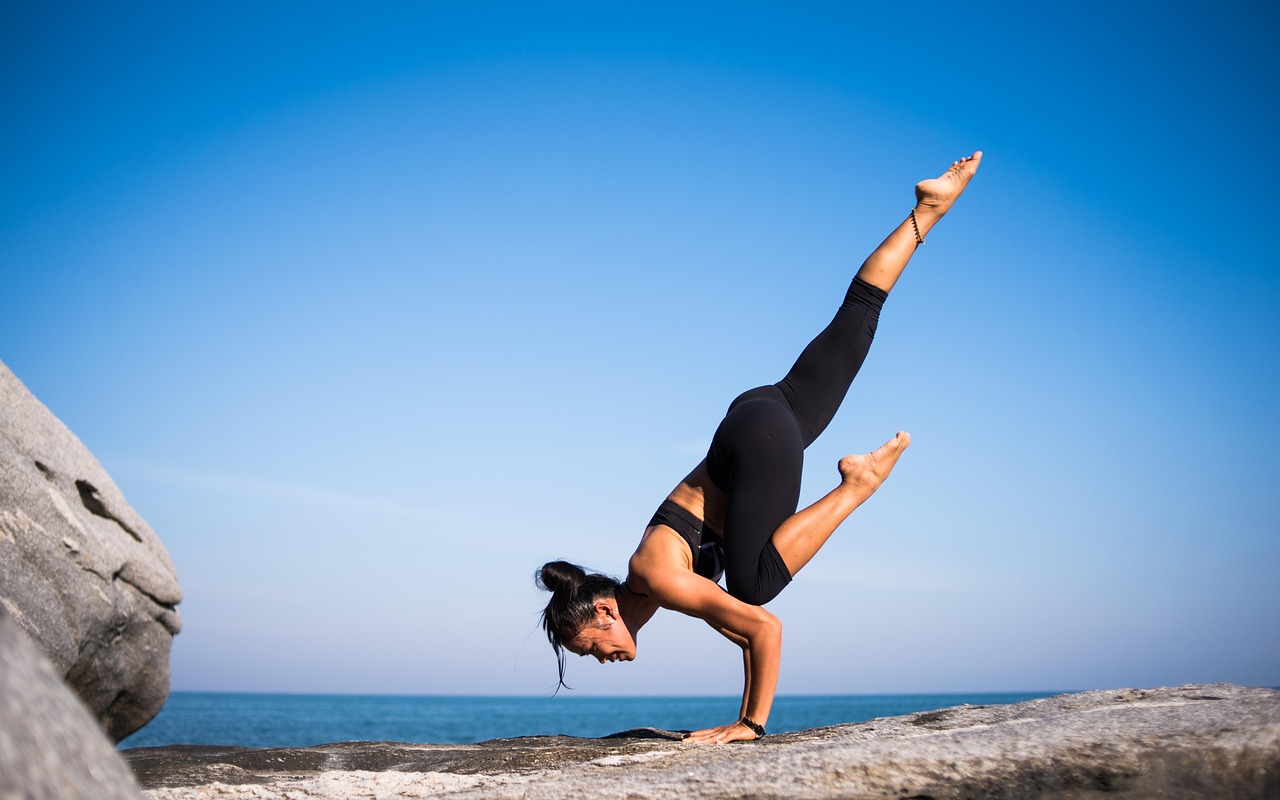
Adding balance exercises that combine flexibility can enrich your home workouts. Stretching and balance often go hand-in-hand, enhancing overall performance and reducing the risk of injuries. Incorporating yoga poses such as the warrior III can significantly improve stability and flexibility. Start in a standing position, step one foot back, and hinge at the hips to balance on one leg while extending the opposite leg straight back. This pose strengthens the core and enhances focus. Furthermore, exercises like standing hip circles improve your hip mobility while promoting balance. Stand on one leg and draw circles with the opposite knee, ensuring you engage your core and maintain control. These movements create a strong connection between stability, strength, and flexibility. Alternatively, implement the cat-cow stretch as part of your routine. This act enhances spinal flexibility while strengthening the muscles supporting your core. These enriching exercises help develop the balance and mobility needed not only in workouts but throughout everyday activities. Implementing these movements can elevate your workout intensity while providing holistic benefits.
Another set of beneficial balance exercises includes stability ball movements which enhance coordination and balance. Utilizing a stability ball can effectively challenge your core while performing traditional exercises. For instance, ball squats can be accomplished by placing a stability ball between your lower back and a wall, maintaining balance while performing squats. This method boosts stability, engages core muscles deeply, and enhances physical awareness throughout your workouts. You could also perform alternative leg lifts with the stability ball by sitting on it and lifting your legs, engaging your core to maintain balance. These exercises greatly improve proprioception and body awareness as you work towards better stability, translating into improved performance for other workouts. In addition, consider integrating single-leg deadlifts while holding a dumbbell. This not only targets your hamstrings and glutes but also promotes the balance essential for maintaining physical stability during workouts. For added challenge, try performing this movement on the stability ball. Endeavor to include these exercises into your weekly routine to build a solid foundation of core strength and stability while complementing your cardio workouts.
Conclusion and Next Steps
Integrating balance and stability exercises into your home cardio routines can bring remarkable improvements to your overall fitness. These exercises foster better control, coordination, and muscular strength, essential for enhancing your performance. Through various movements, such as single-leg stands, dynamic lunges, and stability ball routines, you can create a well-rounded workout that promotes stability and improves endurance. Aim to include these specific exercises at least twice weekly together with your cardio sessions. Commence with basic exercises and gradually increase the challenge by incorporating weights, variations, or adding repetitions. Remember that consistency is key when striving for improvements. Tracking your progress with specific balance exercises can also motivate and guide your workout routines. Visualizing your goals can lead to more focus and commitment to your training. Explore fitness community resources, such as online tutorials or local classes, for added support. As you begin to integrate these essential movements, you will likely discover enhanced strength and flexibility, ultimately leading to better performance in your favorite cardio routines. Embrace the opportunity to challenge your fitness limits and experience rewarding progress.