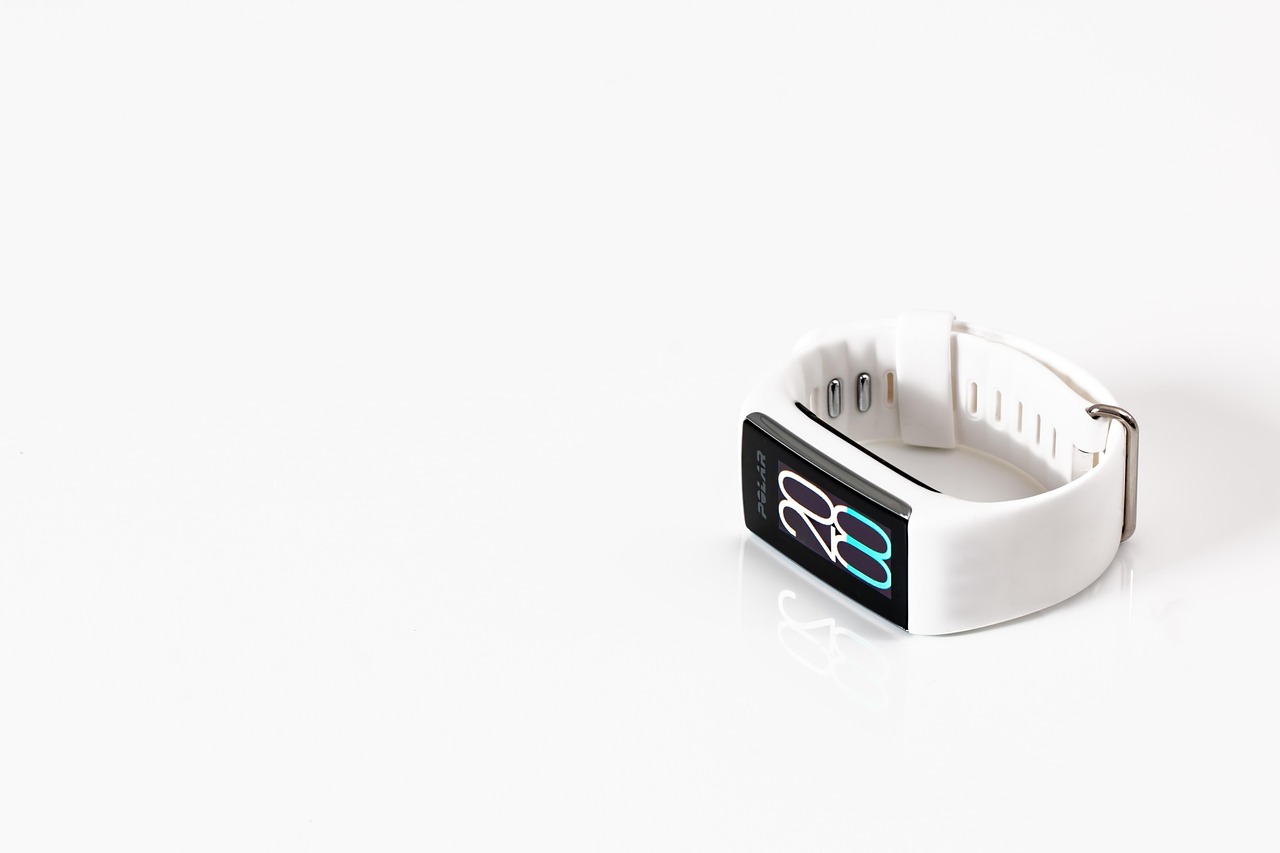

The Rise of Smartwatches: A Game Changer in the Fitness Industry
Smartwatches have revolutionized the fitness industry, combining technology with health monitoring. Individuals can now track their steps, heart rate, and calories burned effortlessly. One of the critical innovation aspects is the advancement in sensor technology, enabling accurate data collection for better insights into physical activity. Brands like Apple, Fitbit, and Garmin have led the market, offering various models catering to fitness enthusiasts. These devices not only provide notifications but also encourage users to adopt active lifestyles by setting fitness goals. Furthermore, the integration of GPS tracking ensures users can monitor their workouts in real-time, delivering essential statistics for outdoor activities such as running or cycling. As popular perception shifts towards prioritizing personal health, smartwatches stand out as invaluable tools. They empower users with instant access to critical health data, fostering motivation to engage in regular physical activities. The wearable tech market continues to grow exponentially, indicating a focus on personal wellness and fitness innovation. Besides, the gamification of fitness through competitive challenges engages users further, enhancing the overall experience. This trend propels wearable technology into the mainstream as a critical accessory for modern fitness enthusiasts.
With the rise of smartwatches comes an urgent need for effective application to gain the most benefits. Many devices now offer companion apps that synchronize data and help create comprehensive health profiles. For example, Apple Health integrates various metrics, empowering users to track everything from hydration levels to sleep patterns. The ability to customize alerts and reminders significantly enhances user commitment to fitness routines. Regular check-ins and achievements unlock motivating rewards and support community engagement via leaderboards and shared goals. More often, users form groups centered on health improvements through social media integration offered in these apps. Notably, some smartwatches incorporate social features fostering competition among friends or virtual communities. This functionality encourages a sense of belonging and enhances motivation to pursue fitness aspirations collectively. On the other hand, wearable devices have shown to be exceptionally useful for professional athletes. These innovations facilitate training by analyzing workout data and performance metrics. Understanding performance trends assists them in maximizing their potential while minimizing the risks of injuries. The ongoing improvements in fitness technology ensure smartwatches remain relevant in tracking health effectively and promoting better lifestyles, leading ultimately to better health outcomes for society.
The Future of Wearable Fitness Devices
Looking forward, the possibilities for development in wearable fitness devices appear boundless, driven by demand. As technology continues to evolve, we anticipate advanced features, such as blood glucose monitoring for diabetic users, to gain traction. Additional emerging technologies, like better battery life, integrated AI, and more accurate sensors, are set to enhance user experience. Furthermore, the incorporation of augmented reality is on the horizon, possibly transforming traditional workouts into interactive and engaging experiences. Imagine exercising while streaming data through AR integration, making workouts highly personalized and enjoyable. Enhancing design aesthetics is another area of focus, targeting a wider audience by ensuring wearability and style. Significant investment is likely to bolster research for innovative materials that can adjust dynamically to a user’s physiology. We must also consider the rising importance of data privacy, pushing manufacturers to improve security protocols while handling sensitive health information. Users’ growing awareness about data privacy will prompt developers to implement robust encryption measures. Ultimately, adaptability and user-centered design will dictate the success of future fitness devices as they become indispensable components of personal health management.
The accessibility of smartwatches has broadened, providing options for various budgets. Users can choose from inexpensive alternatives that still include essential health-tracking features. High-end models offer cutting-edge functionalities like EKG monitoring or advanced sleep cycle analysis. This affordability extends the allure of wearable fitness devices to a wider audience, encouraging healthier lifestyles among more demographic groups. Younger generations, often introduced to fitness technology at an early age, exhibit higher engagement levels. Their increased awareness of health issues leads them to embrace smartwatches enthusiastically, aware of their long-term benefits. As a result, growth within this segment is sustainable, switching from trend-based usage to lasting habits. The fitness industry increasingly integrates wearables into training regimens, simultaneously becoming a vital tool for gyms and wellness programs. Moreover, partnering smartwatches with personal training sessions offers personalized feedback and insights, ensuring users maximize their workouts efficiently. Future developments may include tailored fitness commitments shaped by data analytics, tailoring programs more effectively to individual goals. Such enhancements will truly personalize the fitness journey, allowed seamlessly through smartwatches and their applications, solidifying their role within everyday life.
Enhancing Mental Well-being
An often-overlooked aspect of wearable fitness devices is their potential to consider mental health and wellbeing. Smartwatches can integrate mindfulness features, promoting stress management through meditation apps or guided breathing exercises. Integrating these functionalities presents users with an opportunity to improve their overall mental health while addressing physical fitness. Users aiming for well-rounded wellness increasingly seek holistic approaches, and smartwatches fit perfectly into this mindset. Furthermore, monitoring metrics like heart rate variability can serve as critical indicators of emotional stress levels, informing users when to pause and recalibrate. This capability lends greater insight into understanding physiological responses to stress triggers in daily lives. By focusing on both mental and physical health, users can create sustainable lifestyles rooted in balance. The potential for such innovations in mental health support continues to grow, with manufacturers focusing on user requirements further enhancing customer satisfaction. Thus, the journey toward personal wellbeing becomes practical while integrating self-care principles driven by technology. Users, particularly those with demanding lifestyles, can rely on smartwatches for a more intuitive approach to managing mental wellbeing through consistent reminders and customized feedback tailored to their preferences.
The role of wearable fitness devices has significantly evolved alongside changing lifestyle practices. Collectively, we witness individuals increasingly prioritizing health in their daily routines, inevitably influencing fitness industries. Smartwatches emerge as powerful tools that bridge this gap, offering personalized programs catering to unique user needs. Moreover, the focus on community through fitness initiatives indicates a continuous transformation within health habits, often enhanced by technology. Fitness challenges led by workplaces or social circles stimulate friendly competition, encouraging greater overall participation. Research indicates that engaging in group activities leads to consistent motivation. Smartwatches empower users by keeping tracking each person’s individual data during these challenges, fostering a competitive atmosphere to elevate outcomes collectively. Additionally, organizations increasingly promote awareness through structured voluntary wellness challenges built around the use of smartwatches among employees. As the demand for adaptable health programs rises, wearable technology remains at the forefront of driving successful initiatives. The ongoing integration of smartwatches in fitness encourages users to strive toward their optimal performance continually. Enhanced interaction with these devices cultivates social connections within this landscape while revolutionizing how we perceive and pursue fitness, benefitting both individual health and overall community wellbeing significantly.
Conclusion: Embracing the Future
Ultimately, the evolution of smartwatches as primary fitness tools signifies a shift in how we perceive health and wellness today. Their ability to combine technology, accessibility, and versatility has allowed for the enhancement of personal fitness journeys significantly. With ongoing input from users and advancements in technology, manufacturers are well-positioned to address even broader health concerns while embracing user-centric designs that remain appealing. The integration of health education into smartwatches will undoubtedly affect lifestyle choices while enhancing users’ overall awareness of their well-being. Continuing improvements in device capabilities foster a community-centered environment, encouraging sustained engagement in fitness initiatives and goals. Users increasingly realize the importance of integrating their training with devices that provide valuable insights about their health progress, communicating a desire for informed decision-making. By effectively utilizing this technology, society naturally gravitates towards healthier living alternatives, showcasing that the relationship between health, fitness, and technology is profoundly interconnected. This synergy paves the way for innovative advancements in wellness that could redefine fitness paradigms, making the journey toward health easier across all demographics, ensuring future generations enjoy balanced, healthy lifestyles.
In summary, smartwatches are not just accessories; they represent a growing culture of health commitment rooted in technology. As they evolve, wearable fitness devices can potentially reshape our perceptions of fitness. They will foster new conversations around health empowerment while encouraging engagement on a broader scale. Investing time into understanding the benefits of smartwatches and integrating them into daily routines helps enhance physical and mental well-being significantly. The fitness industry thus embraces change, with consumers leading the way. Their collective voices increasingly determine the landscape of health technology, encouraging manufacturers to innovate and adapt to dynamic user needs continually. We are now standing at the precipice of change, as possibilities abound with further developments in wearable technology. New opportunities allow users to become active participants in their health journeys, enhancing motivation levels and overall engagement. As we observe this transition, it becomes evident that smartwatches significantly impact our lives, reshaping how we approach fitness and health while reinforcing valuable lessons about the modern approach to wellness. Users focusing on these devices extensively enjoy holistic enhancements, leading to a positive cycle that prioritizes health, fitness, and well-being seamlessly in everyday life.