
Scaling Gymnastics Movements in CrossFit
Scaling gymnastics movements in CrossFit is essential for all athletes to ensure they can participate safely and effectively. This approach allows individuals of varying fitness levels to engage with challenging workouts while adapting to their physical capabilities. By implementing scaling options, trainers can foster a supportive environment, enabling athletes to build strength, technique, and confidence progressively. Moreover, scaling gymnastics movements can help prevent injury while still promoting intensity and performance gains. It encourages athletes to focus on proper form and execution instead of completing a standardized and often overly challenging workout. This scaling strategy means incorporating different variations of exercises, which can lead to improved overall fitness and facilitate success in strength and conditioning. All participants, regardless of their experience or skill set, should feel secure knowing that they can perform movements at an appropriate training load. Scale complexity can be achieved through modifications such as changing the position of limbs or using supportive equipment like resistance bands. Each athlete’s capabilities should be assessed, and athletes empowered to choose movements that align closely with their personal fitness journey for maximal results and safety.
One fundamental aspect of scaling gymnastics movements in CrossFit is emphasizing progressions. To foster personal growth, it is crucial to design routines that gradually increase in difficulty. This approach allows athletes to master basic movements before advancing to more complex skills. For example, when addressing pull-ups, coaches might introduce assisted pull-ups using resistance bands, enabling beginners to build strength in the same muscle groups while perfecting the technique required for traditional pull-ups. Similarly, coaches can present a variety of scaling alternatives for more advanced athletes, such as jump and chest-to-bar pull-ups, ensuring they remain engaged and challenged. Utilizing progressions in scaling gymnastics not only prepares athletes for more demanding tasks but also enhances motivation and self-efficacy. As they observe their personal developments over time, athletes are likely to feel more connected to the CrossFit community. Coaches can integrate these progressions into their training plans, fostering a balanced development conducive to continuous improvement. Choose scaling variations wisely, ensuring that they reflect the gradual and purposeful advancement of skills essential for long-term success in fulfilling gymnastic movements.
Common Scaling Options
Specific scaling options exist for gymnastics movements within CrossFit that can be tailored according to individual fitness levels. These techniques can engage various muscle groups and maintain a high level of intensity. For instance, while scaling handstand push-ups, athletes can perform the movement on an elevated surface, such as a box, to reduce the distance they have to press, or they might opt for pike push-ups instead. Leveraging alternative exercises, such as wall walks for those struggling with handstands, empowers athletes to develop relevant muscle strength while refining their coordination. Moreover, scaling movements like muscle-ups can include progressions such as jumping muscle-ups or transitioning to ring rows, allowing participants to train crucial elements of the exercise without unnecessary strain. The versatility in scaling options helps individuals find their ideal balance of challenge and comfort, ultimately leading to increased confidence and competency in their skill set. Coaches should actively communicate with athletes, highlighting which modifications best suit their current fitness level to continue progressing without risking injury.
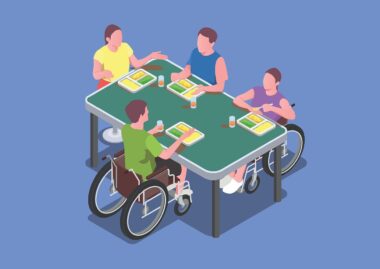
As CrossFit emphasizes community and inclusivity, scaling gymnastics movements always considers the diverse backgrounds of individuals. One key strategy for ensuring everyone can partake in challenging workouts is to implement various scaling levels. By offering a range of modifications, trainers can cater to differing fitness levels, from beginners to seasoned athletes in the same class. This flexibility not only ensures that all participants maximize their workout experience but also fosters interactions among diverse individuals, promoting camaraderie and collective skill development. As athletes witness their peers scaling movements in various ways, they find inspiration to tackle their challenges. Additionally, the diverse scaling options can allow athletes to participate in competitions and special events, regardless of their skill level, while fostering a positive approach to individual improvement. Celebrating small achievements among peers reinforces the sense of community and supports inclusion in the training environment. Coaches should encourage athletes to embrace scaling options as opportunities to build competency and confidence over time, ultimately leading to personal and communal growth within the CrossFit family.
Encouraging Mindset and Resilience
Another significant factor when scaling gymnastics movements in CrossFit is cultivating the right mindset among athletes. Emphasizing personal progress and resilience during workouts encourages individuals to focus on their development rather than comparing their skills with those of their peers. This shift in perspective promotes mental toughness and promotes healthier habits. Coaches can support this mindset by helping athletes set realistic and achievable goals that account for their scaling needs while maintaining motivation and challenge in their sessions. Building resilience is vital for athletes as they often face obstacles, such as physical limitations or mental barriers, discouraging them in their fitness journey. Best practices include celebrating incremental successes and incorporating positive affirmations into training routines. As athletes become more accepting of scaling, they are empowered to embrace challenges, deal with potential setbacks, and adapt their approaches when necessary. This creates an environment where resilience flourishes. Regularly communicating with athletes can reinforce this mindset, reminding them of the importance of perseverance and commitment to achieving realistic goals throughout their fitness endeavors.
Furthermore, recognizing and addressing potential barriers to scaling gymnastics movements is crucial for creating an inclusive and supportive training environment. Barriers can include lack of confidence, fear of injury, or unfamiliarity with specific movements. Coaches should proactively engage with athletes, encouraging open dialogue about their concerns and experiences. By fostering a culture of safety and trust, trainers can alleviate fears related to trying new skills or scaling requirements. Addressing each individual’s concerns and goals allows for personalized scaling strategies that build up an athlete’s confidence and capabilities over time. Moreover, providing thorough demonstrations and instruction on proper techniques can enhance understanding and clarity regarding scaling options. This knowledge empowers athletes to make informed decisions about the modifications they apply during workouts. It’s also beneficial to utilize peer encouragement, allowing athletes to motivate each other through experience and shared journeys. Ultimately, by recognizing and addressing barriers, trainers can create an environment that champions progress, fosters lasting connections, and supports athletes in achieving their aspirations, regardless of their fitness journey.
Conclusion: The Value of Scaling
In conclusion, scaling gymnastics movements in CrossFit represents an essential element for athletes, optimizing their training experiences and fostering skills development. By implementing effective scaling strategies, participants can advance through gymnastics proficiency at their own pace without compromising safety or performance. The emphasis on progressions and diverse modifications ensures that all skill levels find ways to engage with challenging movements, promoting inclusivity and strength as a community. Encouraging a positive mindset is critical, as athletes learn to appreciate their personal growth rather than comparing themselves to others. Moreover, addressing barriers provides an opportunity for athletes to voice their concerns and allows trainers to create tailored programs fitting their needs. By maintaining open communication, athletes can cultivate resilience while developing their gymnastics abilities. Ultimately, scaling gymnastics movements stands as a testament to the personalized approach inherent within CrossFit, allowing individuals to experience fitness in ways that inspire, motivate, and connect with their community. Therefore, the practice should be seen as a vital component that reinforces the essence of CrossFit: empowering individuals to become the best version of themselves through supportive adaptations.
As a result, scaling gymnastics is a collaborative journey that combines community, understanding, and dedication to personal development. By embracing this approach, athletes will not only cultivate their skills but will also strengthen the bonds with their peers, fostering relationships that are built on encouragement and shared experiences. This commitment to growth allows everyone to pursue improved fitness regardless of their starting point, ultimately creating a vibrant and thriving CrossFit community where all can succeed. The unique appeal of CrossFit lies in its ability to cater to diverse abilities and provide opportunities for progress. Scaling gymnastics movements is fundamentally connected to the notion that fitness is not confined by set standards. Instead, it’s tailored to reflect individual journeys. By appreciating the value of scaling, we further enhance the spirit of CrossFit, promoting an environment in which anyone can participate, explore their capabilities, and discover their strengths while striving for improvement. Moving forward, let us commit to ensuring that scaling gymnastics movements become intrinsic to the CrossFit ethos, empowering all athletes to reach their highest potential, thriving as a united community one rep at a time.