
Low Impact Cardio Workouts for Post-Cesarean Mothers
Recovering from a cesarean section can be challenging, but engaging in low-impact cardio workouts is a great way to boost your fitness safely. Start with gentle activities such as walking, which is highly recommended for postpartum recovery. Gradually increasing your pace and duration allows you to monitor your body’s response and avoid complications. Another excellent option is swimming, which supports your body while providing effective cardio training. Water’s buoyancy eases pressure on your abdomen and joints, making it a soothing environment for your workout. Biking is another low-impact option, whether on a stationary bike or cycling outdoors. Always remember to listen to your body; if you feel discomfort, it’s wise to adjust your activity. One of the significant benefits of low-impact exercises is the ability to strengthen the core muscles gradually. This is crucial for post-cesarean recovery, as it helps restore abdominal strength that might have been compromised during pregnancy. Additionally, including flexibility exercises like yoga can assist in alleviating tension and promoting relaxation, which is essential during the recovery process.
Before you begin any postpartum fitness program, consulting with your healthcare provider is essential. They can provide personalized guidance on when to start and what activities are appropriate for your specific recovery stage. After receiving clearance, consider incorporating gentle dance workouts, which are fun and effective. You can join dance classes specifically designed for postpartum mothers or follow online videos in the comfort of your home. These low-impact sessions keep your heart rate up and help improve your mood through engaging movements. Low-impact aerobics classes, focusing on controlled, slow movements, can be incredibly beneficial as they allow women to ease into exercise safely, enhancing cardiovascular health without straining the body. Practicing breathing techniques, essential during these workouts, can improve stamina while reinforcing core support. Strength training using light weights can also complement your cardio routine, helping you regain strength and improve muscle tone over time. Remember, the key is to maintain consistency while being patient with yourself. Celebrate small achievements and stay connected with other postpartum mothers through workout groups, fostering community support and motivation for your fitness journey.
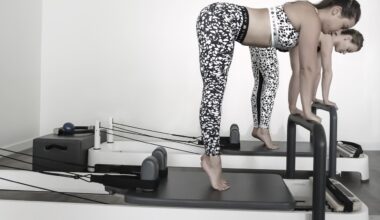
Incorporating postpartum workouts that engage both body and mind is crucial for emotional well-being. Research indicates that exercise can significantly reduce feelings of anxiety and depression, often experienced during the postpartum period. Participating in activities such as Pilates can improve core stability while gently toning muscles and enhancing flexibility. Pilates routines often emphasize controlled movements that promote body awareness, making them suitable for those recovering from surgery like a cesarean. Another excellent option to consider is prenatal yoga, which focuses on stretching, relaxation, and breathing techniques beneficial for postpartum recovery. Many studios offer specialized classes tailored to post-cesarean participants, ensuring safety and effectiveness. Aim to attend two to three classes per week to reap the maximum benefits of these practices. Connection and mindfulness foster an environment of healing and release tension held within your body. Virtual yoga classes and online programs make it more accessible to fit these sessions into your busy schedule as a new parent. These mindful practices not only enhance physical strength but also provide emotional support during a significant life transition. Ensuring a holistic approach to recovery is vital for overall health and fitness.
Integrating Movement into Daily Life
Incorporating gentle movement into daily life can significantly enhance recovery from a cesarean section. Everyday activities such as playing with your baby, taking short walks around your home, or even carefully standing while doing household chores serve as low-impact exercises. Aim to gradually increase the duration and intensity of these activities as you observe how your body responds. Activities like stretching while carrying your baby or engaging in light dance movements during playtime can also be enjoyable ways to introduce movement. It is essential to stay hydrated, especially when exercising, as this helps maintain energy levels. Set realistic goals to keep your motivation high, breaking larger objectives into smaller, manageable targets. This method allows you to celebrate successes along the way, reinforcing your commitment to a healthier lifestyle. Additionally, forming a morning routine that includes brief exercise sessions can help set the tone for the rest of your day. Encouraging your partner or supportive family member to join can make these moments more enjoyable. Remember that patience is key; respect your body’s natural recovery process. Listen to its cues and honor your energy limits as you strive for fitness.
The benefits of group workouts extend beyond just physical health; they foster a sense of community and encouragement among mothers. Consider joining local postpartum fitness classes tailored specifically for cesarean recovery, which typically offer a safe environment. These classes provide not only structure to your fitness routine but also emotional support from other mothers who share similar experiences. Group activities can serve as an excellent opportunity for social interaction, making your fitness journey more enjoyable. Building friendships with fellow mothers can also provide networking opportunities and emotional support; sharing each other’s highs and lows can positively influence your recovery experience. Online communities dedicated to postpartum fitness may offer further resources, including workout videos, nutrition tips, and motivation from experienced trainers and other mothers who understand your journey. Engaging with these communities can enhance your sense of belonging and empowerment. Moreover, working out alongside others helps keep everyone accountable and encourages you to show up regularly. By fostering these connections, you’re setting a strong foundation not just for physical recovery, but holistic wellness, fostering emotional balance and mutual motivation in and out of the gym.
Nutrition plays a critical role in your postpartum fitness journey that complements your low-impact cardio workouts. Consuming a balanced diet rich in whole foods is essential for energy recovery after a cesarean. Prioritize foods high in nutrients such as iron, vitamins, and proteins that can optimize healing and support your fitness endeavors. Incorporating plenty of fruits and vegetables, whole grains, lean proteins, and healthy fats will ensure you receive the nutrients necessary for energy and overall well-being. Meal planning and preparing nutritious snacks in advance can be helpful. Consider meals that are easy to prepare and can be enjoyed throughout the week, saving time. Don’t forget to listen to your body’s hunger cues and adjust your caloric intake to meet your needs during this recovery phase. Staying hydrated is equally important as proper water intake directly affects your energy levels and muscle recovery. Additionally, consulting with a nutritionist specializing in postpartum health can provide personalized advice on dietary needs during this transitional phase. Taking care of your nutrition is just as vital as your exercise routine, driving real progress toward achieving your fitness goals.
Mindfulness and Recovery
As a new mother navigating postpartum life, maintaining mindfulness throughout your fitness journey can significantly enhance recovery and overall well-being. Stress management techniques such as deep breathing, meditation, or gentle stretching provide an excellent complement to workouts. Establish a designated time each day for mindfulness practices, allowing yourself to focus on self-care and reflection. This practice encourages a stronger mind-body connection, essential for regaining physical strength. Being mindful about your thoughts and feelings during workouts can lead to better outcomes, as your mental state influences physical performance. Aim to maintain a positive mindset, recognizing the achievements you’ve made, no matter how small they may seem. Visualizing your goals and embracing affirmations can inspire motivation. Additionally, consider journaling your experiences, capturing your progress, emotions, and reflections will offer insights into your journey. Participating in online or local mindfulness groups can also provide tools to manage any postpartum anxiety you may encounter. The integration of mindfulness into your routine fosters resilience, empowerment, and a supportive atmosphere as you not only regain fitness but also discover self-compassion during this significant life stage.
Lastly, embrace flexibility in your approach to postpartum fitness. Life as a new mother can be unpredictable, and it’s okay to adjust your plans accordingly. Whether you feel drained one day or face challenges that limit your workout, remind yourself that consistency is key, not perfection. Schedule your workouts at times that are most convenient, perhaps when your baby is napping or when your partner can help. It’s important you find enjoyment in the activities you choose, as positive experiences help reinforce motivation. Never shy away from seeking professional help and advice when needed. Engage with fitness trainers familiar with postpartum recovery who can guide safe and effective exercises tailored to your needs. Listening to your body remains essential throughout this journey. If you encounter discomfort or signs of strain, rest and reassess your routine. Always remember that every woman’s postpartum journey is unique; embrace your path, celebrate your achievements, and prioritize your health. As you gradually regain strength and confidence through these carefully selected workouts, you will enhance not only your physical fitness but also foster a positive mindset that benefits both you and your family in the long run.