
Kid-Friendly Healthy Breakfasts to Encourage Good Habits
Breakfast is a crucial meal for children, fueling them for the day ahead. Involving kids in preparing healthy breakfasts can instill good habits early. Starting with a nutritious smoothie is a favorite. Blend spinach, banana, and almond milk for a vibrant green drink that’s packed with vitamins. Adding a scoop of peanut butter enhances flavor and adds protein. Teaching kids to make layered yogurt parfaits is another excellent choice. Use low-fat Greek yogurt, berries, and granola to create a visually appealing dish. Inspire creativity by letting them customize their parfaits with their favorite fruits. Whole-grain pancakes can also become a nutritious option. Mix oats into pancake batter to increase fiber content. Top with fresh fruits or a drizzle of honey instead of syrup. Each of these breakfast ideas is designed to encourage children to embrace healthy eating. Make it a habit to sit together as a family during breakfast. This practice nurtures communication and connection, reinforcing the importance of healthy choices. Regularly discussing nutrition helps children understand the significance of what they eat. Empower your kids to enjoy breakfast as a fun and healthful experience, establishing lifelong good habits.
Incorporating healthy fats into breakfast can benefit your child’s development. Avocado toast is a delicious option. Use whole-grain bread to increase nutritional value and spread ripe avocado on top. Sprinkling feta cheese adds a gourmet touch. Kids often enjoy making their own combinations, letting them pick toppings like sliced tomatoes or radishes. Another great idea is egg muffins. Whisk eggs with veggies such as bell peppers and spinach, pour into muffin tins, bake, and enjoy! These are easily customizable, meaning children can add their favorite ingredients. Preparing these together can be a fun weekend activity, allowing for family bonding time. If you want a heartier breakfast, consider quinoa bowls. Cook quinoa with almond milk, adding cinnamon and honey for flavor. Top with fruit and nuts for a satisfying, protein-rich meal. Smoothie bowls are another fun option and can be tailored to each child’s taste. Blend fruits and top with seeds, nuts, or coconut flakes for added nutrition. Encouraging variety will make meals exciting, helping prevent breakfast boredom. Presenting breakfast creatively can captivate children’s interest and make eating nutritious foods appealing. Regularly introducing new flavors can help develop their healthy eating habits further.
Another important aspect of meals is balanced nutrition. Make sure to include whole grains, proteins, and healthy fats into breakfast. Overnight oats are very effective in achieving this balance. Simply mix oats with milk or yogurt and add fruits like berries or sliced bananas. Let the mixture set overnight and enjoy a quick, nutritious breakfast the next morning. This method is incredibly versatile; kids can choose flavors according to their preferences, making it fun and interactive. One of the most interesting recipes to try is a breakfast burrito. Use whole-wheat tortillas filled with scrambled eggs, black beans, and cheese, then wrap and roll them tight. Top with salsa or avocado for a flavorsome and nutritious option. Not only is this meal easy to prepare, but it’s also perfect for kids to customize. Incorporating a variety of vegetables, such as spinach or mushrooms, helps increase nutrient intake further. As they prepare their burrito, encourage kids to experiment with different fillings. This way, they learn the importance of balanced meals while having fun. Most importantly, fun experiments in food preparation can lead to a lifetime of making healthier choices at meal times.
Preparing Breakfast Together
When making meals with children, the experience can be transformative. It allows parents to invest time in their child’s health. As you cook together, talk about the nutritional benefits of each ingredient. Share stories or traditions associated with certain foods; these stories can spark their interest. Involve children in selecting recipes for breakfast throughout the week. Let them browse through cookbooks or websites to find options that intrigue them. Giving kids some autonomy in planning meals fosters responsibility and excitement in their food choices. Also, consider themed breakfast days to keep it interesting. You could have “Pancake Sundays” or “Smoothie Saturdays.” Having set days for specific foods helps kids look forward to meals. You could set up special toppings or decorations for each themed breakfast. As children express their preferences, encourage them to try something new to diversify their palate. Always celebrate attempts at trying new foods, regardless of the outcome. Making breakfast preparation a fun ritual strengthens family connections. This builds collective memories and instills a sense of teamwork between parents and kids. The joy of cooking together can make mealtime a delightful highlight of the day.
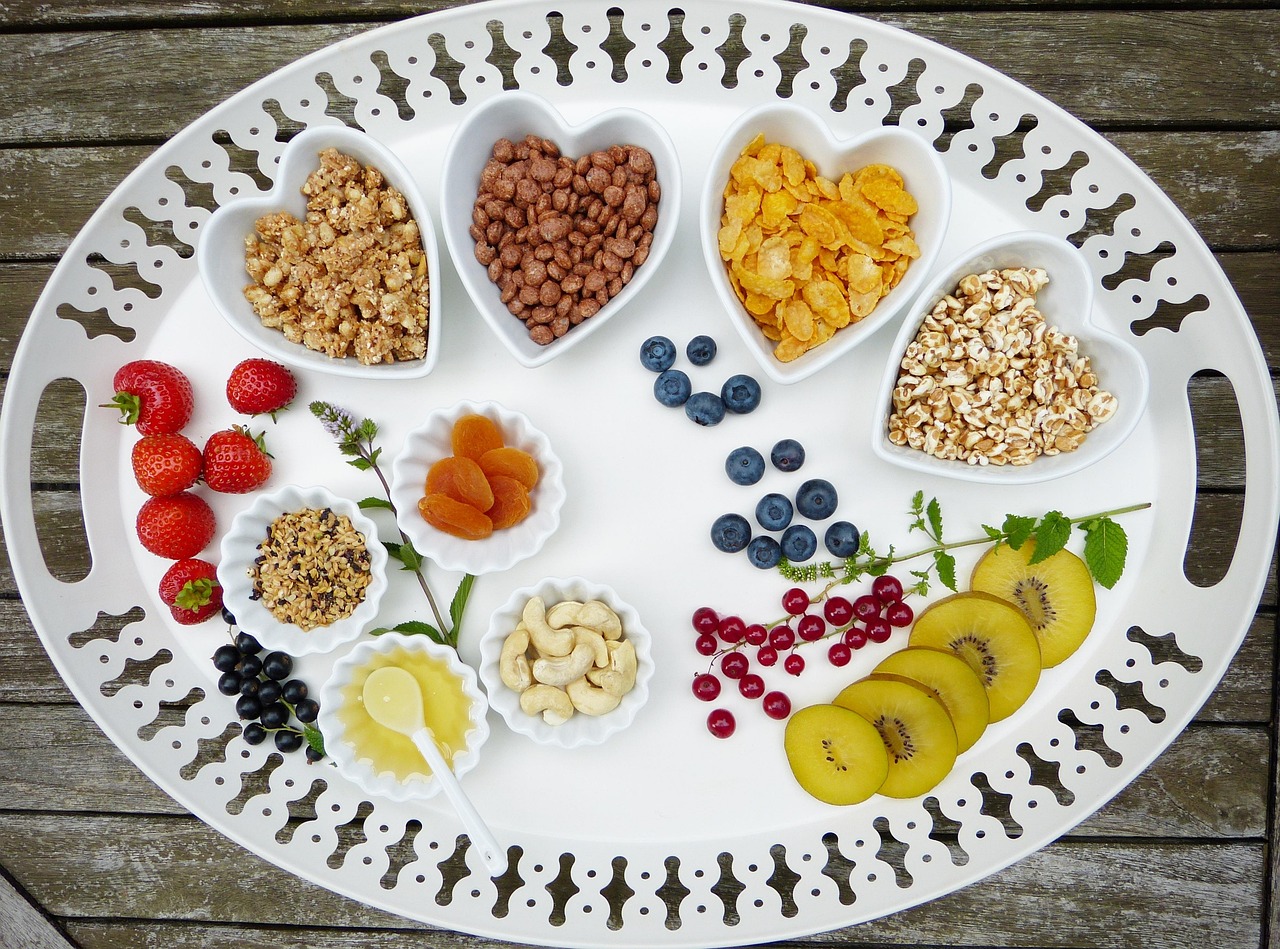
Engaging children in healthy breakfast habits not only promotes good health but also fosters culinary skills. Encourage them to evaluate their choices by discussing why some foods are better than others. Creating a chart together with healthy options can help visualize nutritious foods versus less nutritious ones. This can also aid in their decision-making process at breakfast time. Don’t forget the power of color! Food that’s vibrant can be more appealing to children. Incorporate colorful fruits and vegetables into meals. Physical appeal can influence their willingness to try healthy food. Social aspects also play a role in forming habits. If friends or family members enjoy similar healthy options, kids are more likely to mimic that behavior. Hosting a healthy breakfast party can be a fantastic way to demonstrate food choices. Invite friends and allow children to share their favorite healthy breakfasts. This not only encourages kids to try new foods but provides affirmation that healthy eating is a fun social activity. To round this out, making it enjoyable has a profound impact. When kids associate healthy breakfasts with fun, they are more likely to continue selecting these options long-term.
As we move toward a more health-conscious society, starting healthy breakfast habits at an early age is pivotal. Consider incorporating simple food prep techniques, such as demonstrating how to mix a quick batch of pancake or waffle batter. Involving kids in these activities can improve confidence in the kitchen. Additionally, addressing the importance of whole foods in their diets emphasizes making healthier choices. By discussing whole grains, fruits, and natural sugars, you are teaching them vital nutrition knowledge. In today’s world filled with processed foods, emphasizing whole, unprocessed options is essential. It helps children develop an understanding of what fuels their bodies best. Another effective approach is to allow them to grow some of their own ingredients. If possible, start a small herb garden at home. By growing herbs like basil or parsley, kids get hands-on experience with plants. They can use their harvest in breakfast dishes. This agricultural knowledge not only enriches their culinary skills but also teaches responsibility. Watching ingredients grow can create a deeper appreciation for food and health. Children learn to value meals when they understand the process from garden to table.
Lastly, don’t overlook the importance of maintaining a consistent breakfast routine. A predictable breakfast time helps children establish regular meal patterns. Regular routines are essential in creating good eating habits, making food choices clearer. To make breakfast a success, limit distractions like screens during mealtime; it encourages focus on food. Emphasizing mealtime conversation can also build connections and make food a shared experience. Encourage kids to share their thoughts or experiences about their day. Knowing someone is listening can encourage them to enjoy meals more. As children grow, it’s vital to adapt their meals to maintain that balance of nutrition. Gradually introduce more complex options or flavors as their taste buds mature. Keep experimenting with different cooking methods or recipes to make every breakfast a new adventure. Setting a good example remains critical; parents are crucial role models in promoting healthy eating habits. When children see their parents enjoying healthy foods, they are more inclined to follow suit. Ultimately, the goal is to cultivate a love for nutritious breakfasts that lasts a lifetime, ensuring good health for years to come.