
Gardening as a Seasonal Fitness Activity
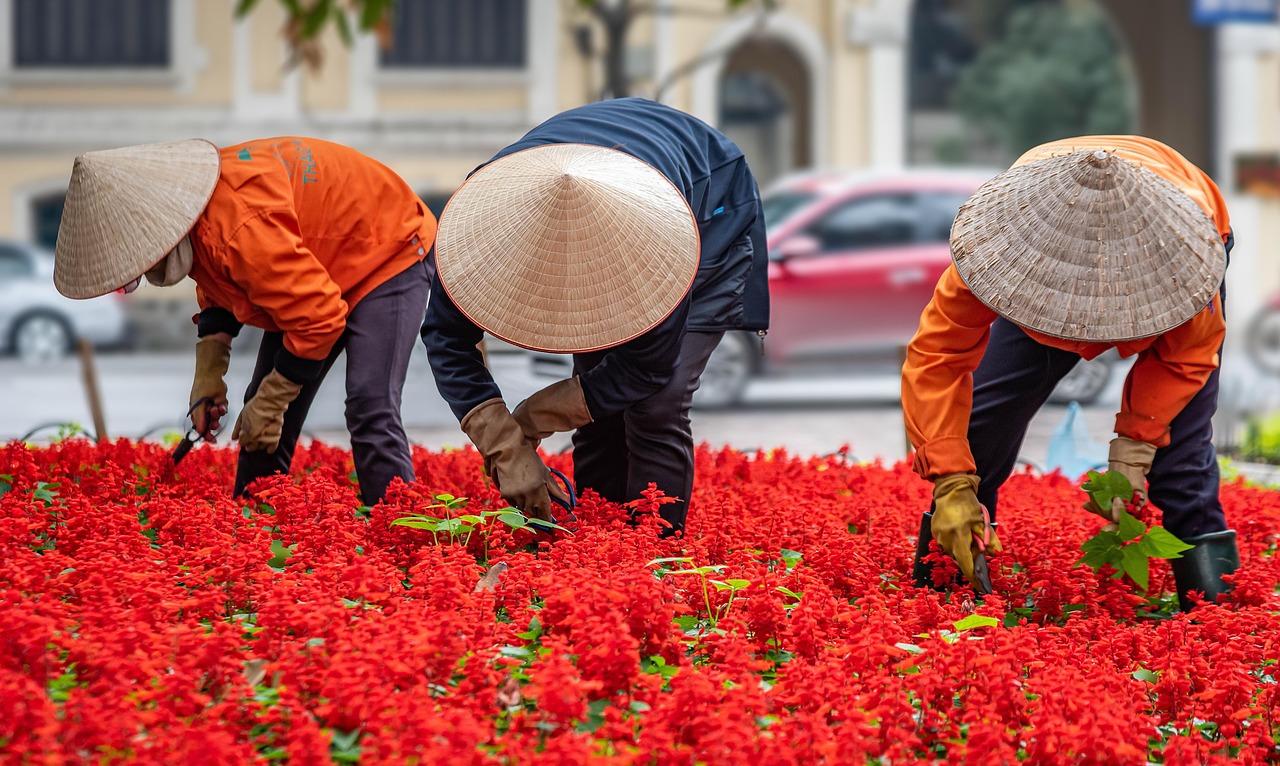
Gardening is not only a way to beautify your home; it also doubles as a fantastic seasonal fitness activity. Many people underestimate how much physical work is needed in gardening, making it a wonderful blend of enjoyment and exercise. When gardening, you can engage in a variety of physical tasks, such as digging, planting, weeding, and pruning. These activities activate multiple muscle groups, helping you stay fit while producing beautiful flowers or delicious vegetables. Moreover, working in the garden allows you to soak up some sunshine, which can boost your mood and overall health. Studies suggest that spending time outdoors can improve mental clarity and emotional well-being. Consider setting up a planned schedule to ensure that you are consistently engaging in gardening. For example, plan weekly plantings and other yard work around seasonal changes. Not only will this help your garden flourish, but it also ensures that you are consistently active throughout the seasons. Incorporate tools like rakes and shovels to increase strength and endurance while gardening. Gardening can truly be a fulfilling way to exercise while enjoying nature, adding benefits to both your body and mind.
The Benefits of Seasonal Gardening
Engaging in seasonal gardening offers a wide array of physical and mental health benefits. With regular participation, gardening can help alleviate stress and anxiety, promoting a positive mental state. The repetitive actions involved in gardening, such as digging and planting, can act as a form of meditation, allowing individuals to unwind while enjoying the process of nurturing plants. Additionally, seasonal changes in gardening mean that there’s always something new to plant and care for, keeping the activity exciting. Seasonal gardening encourages you to adapt to varying weather conditions, leading to resilience and versatility. Moreover, the satisfaction derived from harvesting your produce adds a rewarding element to the physical activity you engage in. Not to mention, gardening can foster community; sharing your produce or insights can create connections with neighbors and local gardeners. It’s a social activity that helps build strong relationships, whether through garden clubs or informal exchanges of tips and plants. With all these factors combined, seasonal gardening can be a holistic experience enriched with health benefits. It’s also a sustainable way to improve your fitness while contributing positively to the ecosystem.
Incorporating proper techniques into your gardening routine can maximize the fitness benefits you reap. For instance, maintaining good posture while gardening is crucial to preventing injuries. Always be conscious of your back; bend at the knees instead of the waist when lifting heavy items. Similar considerations should be made while using various tools. Switching between tasks can help you avoid repetitive strain injuries. For instance, if you’ve been digging for a while, consider moving to planting or weeding. This variety not only challenges different muscle groups but also keeps the activity interesting. Engaging in teamwork with family or friends can further enhance your gardening experience. Collaborating on a gardening project allows you to motivate each other, ultimately making the fitness aspect more enjoyable. In case of physical limitations, adaptations can be made, such as raised garden beds, which allow you to garden comfortably without straining. Do not forget to hydrate, especially during warmer months. Regular breaks in the shade are also essential to maintain your energy and stay focused. Such mindfulness can truly make gardening an enriching seasonal fitness experience, both physically and emotionally.
Getting Started with Seasonal Gardening
If you’re new to gardening, starting small is a wise approach. Choose a designated area in your yard or a few pots for a manageable beginning. It’s essential to research and select plants that thrive in your local climate and the current season. Common easy-to-grow plants include herbs like basil or mint in the warmer months and leafy greens like spinach or lettuce in cooler months. Ensure your chosen plants have adequate sunlight, which often means south-facing spaces. Creating a gardening plan can streamline your efforts throughout the season. Consider what types of vegetables or flowers you enjoy and allocate time for their care. Invest in basic gardening tools like a trowel, pruners, and gloves for safety. As your confidence grows, gradually expand your garden by introducing new plant varieties or tackling more extensive landscaping projects. Moreover, consider participating in local gardening workshops to refine your skills and meet fellow gardening enthusiasts. Many communities offer courses on seasonal planting or organic gardening techniques. Such resources provide valuable insights and support your overall gardening journey, enriching your seasonal fitness experience.
In addition to providing joy and exercise, sustainable gardening practices are essential for environmental health. By choosing to maintain an eco-friendly garden, you can reduce the reliance on harmful pesticides and fertilizers, thereby promoting biodiversity. Utilize composting as a method to enrich your soil naturally, transforming kitchen scraps into nutrient-rich compost. This practice not only benefits your plants but also reduces waste. Additionally, incorporating native plants can support local wildlife while requiring less water and maintenance. Creating habitats for beneficial insects, such as bees and ladybugs, can enhance pollination and reduce pest populations naturally. Implementing these sustainable gardening practices ensures that your efforts align with environmental wellness, demonstrating respect for the ecosystem. Participate in community gardens to expand your knowledge of sustainability and connect with like-minded individuals who share your interests. These collaborations can enrich both your gardening skills and social interactions within your community. Gardening, if approached sustainably, can yield a wholehearted commitment to personal health, community well-being, and ecological preservation. Such a holistic approach is essential in today’s world and demonstrates gardening as both an activity and a philosophy.
Challenges and Solutions in Gardening
Engaging in gardening may come with its set of challenges. Factors like unpredictable weather, pests, and soil quality can pose difficulties. The key to overcoming these challenges lies in proactive planning and knowledge. For instance, investing in soil tests may provide insight into nutrient deficiencies, allowing for targeted amendments. Drought periods can be managed by incorporating drought-resistant plants or employing mulching techniques to retain soil moisture. If pests become an issue, consider natural pest control methods such as introducing beneficial insects or using organic repellents. Setting up planting schedules can also help you stay organized. Calendars, or apps tailored to gardening, can prompt you when to sow, transplant, and harvest. If limited space is an issue, vertical gardening or container gardening can effectively maximize small areas. These techniques allow you to grow a variety of plants without needing a traditional garden bed. Regular evaluation of your gardening practices can lead to informed decisions and ultimately a better experience. Embracing these challenges will enhance your gardening journey, making it a more fulfilling venture.
As the gardening season comes to an end, reflecting on your experiences is beneficial for future endeavors. Keep a garden journal to track your successes, struggles, and growth patterns. Documenting what worked and what did not will enhance your gardening skills over time. This reflective practice encourages experimentation, making gardening continually enjoyable and fulfilling. Celebrate each small success, whether it’s the first bloom or harvest. Share your accomplishments with friends and family, and consider joining community forums or social media groups centered around gardening. This networking can inspire fresh ideas and help you connect with fellow gardening enthusiasts. Each season presents a new opportunity for learning and growth. As you move from one gardening season to another, remain open to adapting your strategies based on your previous experiences. Revisit your initial garden plan and modify it to include lessons learned. Gardening isn’t just about growing plants; it’s about personal growth and fitness. So, nurture your body, mind, and garden alike, allowing them to thrive in harmony.
Conclusion: Gardening integrates physical activity seamlessly into life, confirming it as an enjoyable seasonal fitness option. As you dig, plant, and nurture, you not only create beauty in your surroundings but also build strength and resilience within. Regardless of your gardening experience, benefits await those who embark on this journey. Commit to incorporating exercise through gardening this season and enjoy the myriad benefits it brings to both the body and mind. Starting small, adapting best practices, and connecting with your community will enhance the enjoyment of this rewarding venture. Let the rhythms of nature guide your gardening practice; every season offers something unique to learn and experience. Cherish each moment spent outdoors as your garden flourishes, illustrating the fruits of your labor. This seasonal fitness activity can uplift your health while providing fresh produce or flowers to enjoy. Remember that gardening cultivates not just plants but friendships, knowledge, and a positive lifestyle. Embrace this holistic approach, and let your spirit grow along with your garden. Start today, and watch both your fitness and green thumb thrive.