
Strategies for Motivating Physical Activity in Aging Populations
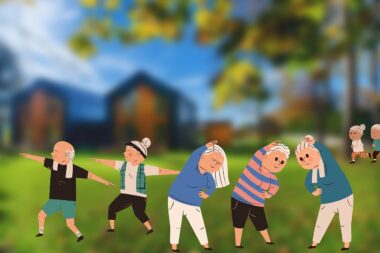
As individuals age, their motivation for engaging in physical activities often declines. This can be attributed to various factors, including physical limitations, lack of social support, and psychological barriers. To help motivate older adults to participate in physical activities, it is crucial to focus on strategies that enhance their well-being and confidence. One effective approach entails tailoring exercise programs to accommodate individual capabilities and preferences. Personalized plans that consider an individual’s interests increase adherence and enjoyment. Moreover, incorporating social aspects into fitness routines, such as group classes or walking clubs, fosters a sense of community. Having peers participate can improve motivation significantly. It is also beneficial to highlight achievable goals, allowing older adults to celebrate small victories. These goals can include weekly activity milestones or personal bests in strength and endurance exercises. Additionally, employing technology, such as fitness apps or wearable devices, can track progress and promote accountability. Finally, continuous education about the health benefits of regular physical activity plays a vital role in motivating the aging population, as increased awareness leads to better participation rates in exercise programs for older adults.
Reinforcing Positive Feedback
Positive reinforcement is an essential strategy to motivate older adults in physical activity. Encouragement from instructors, caregivers, or family members can greatly influence one’s commitment to a fitness routine. Regularly acknowledging their efforts and improvements nurtures a sense of achievement, spurring continued participation. For example, trainers can provide constructive feedback during exercise sessions, praise participants for accomplishment, or celebrate milestones. Offering rewards or incentives, such as certificates or small prizes, can also motivate older individuals by creating a sense of competition or achievement. Furthermore, employing self-monitoring techniques can help seniors notice their progress and reinforce positive feedback. Journaling or using pedometers and fitness trackers allows individuals to visualize their improvements over time. This sense of accomplishment and recognition helps build self-confidence and internal motivation, making older adults more likely to engage in regular physical activity. Additionally, sharing successes with family or friends can deepen emotional connections and foster social support. Building an encouraging environment is vital in reinforcing positive feedback, enabling older adults to pursue and maintain a more active lifestyle as they age.
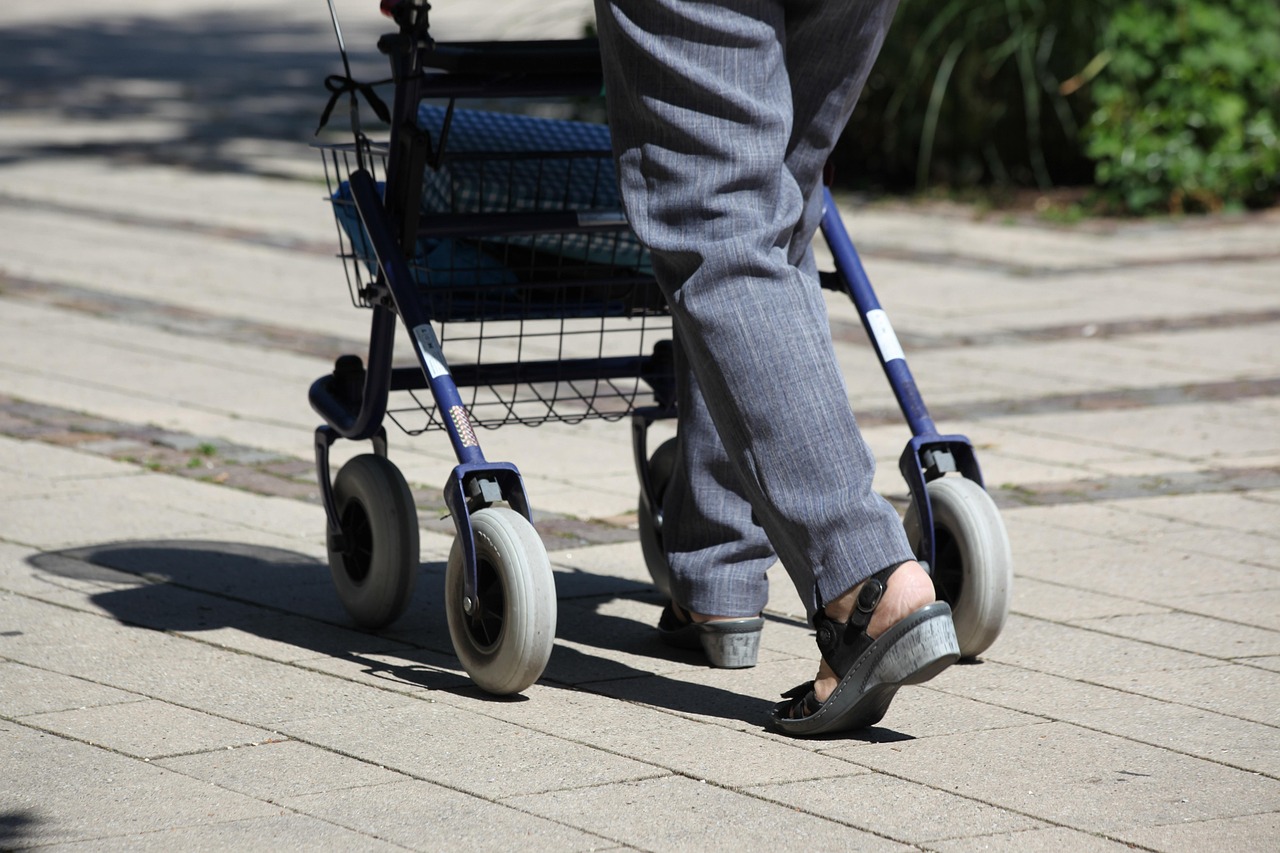
Understanding the specific barriers that hinder older adults from being physically active is paramount in combating inactivity. Common hurdles include health issues, accessibility to facilities, and a lack of tailored programs that meet their needs. Conducting assessments can assist in identifying these obstacles individually. Once barriers have been pinpointed, deliberate strategies designed to eliminate or reduce them can be implemented. For instance, providing transportation services or offering more convenient class schedules can significantly boost participation rates. Additionally, the design of fitness facilities must cater to the physical abilities of older adults. This includes installing ramps and ensuring that equipment is easily accessible and user-friendly. Health professionals can conduct workshops to educate seniors on injury prevention and safe exercise practices. These workshops can empower participants to engage in physical activities independently while minimizing risks. Moreover, collaboration with local community organizations can ensure that resources and opportunities for older adults are expanded. By addressing barriers holistically, communities can create a supportive framework that encourages a stronger and healthier elderly demographic, ultimately enhancing their quality of life through increased physical activity.
Setting achievable fitness goals is a crucial method to enhance motivation among older adults. Goals allow individuals to have tangible targets, making their exercise activities feel purposeful. It is essential that these targets are realistic and individualized. Goal-setting techniques, such as SMART (Specific, Measurable, Achievable, Relevant, Time-Bound), can facilitate this process effectively. Engaging older adults in goal formulation ensures that they feel involved and respected, fostering ownership of their fitness journey. Furthermore, it’s beneficial for individuals to have both short-term and long-term objectives. Short-term goals can offer quick successes, while long-term objectives can provide a broader vision of fitness. Regularly revisiting and adjusting goals can maintain interest and motivation. The journey of reaching these goals can also be enriched by incorporating enjoyable activities, such as dancing or swimming. These diverse exercise options enhance patient adherence and discourage monotony in physical routines. Social support plays a key role, as sharing goals with those in their social circle can create accountability. Frequent check-ins with peers, trainers, or family members provide encouragement and foster a sense of camaraderie, making fitness a shared and rewarding experience while establishing strong motivation.
Education plays a vital role in motivating older adults to engage in physical activity. Creating awareness around the numerous benefits of regular exercise can significantly encourage participation. Health benefits include improved mobility, enhanced mood, and the prevention of chronic diseases, all pertinent concerns for older individuals. Workshops and informational sessions can be organized to deliver this vital information effectively. Additionally, leveraging resources like brochures or online platforms can provide valuable educational materials. Furthermore, employing relatable success stories or testimonials from peers can inspire older adults by demonstrating tangible results. When seniors observe their counterparts enjoying active lifestyles, they become more inclined to participate. Support from healthcare practitioners is crucial in promoting physical activity among the elderly. Doctors and wellness professionals can provide recommendations tailored to individual capacities and health conditions. Moreover, healthcare providers can emphasize the importance of staying active, particularly for managing existing health issues. Educational initiatives that combine information with community resources, such as exercise programs tailored for older adults, create accessible opportunities for them. This inclusive approach ensures that seniors are well-informed and empowered to initiate and sustain a more active lifestyle as they age.
Cognitive factors also influence motivational levels in older adults regarding physical activity. Mental health, belief systems, and attitudes towards exercise directly affect their likelihood of participating in fitness programs. Therefore, adopting interventions focusing on enhancing mental well-being is crucial. Protecting psychological health while promoting physical activity can significantly benefit senior populations. One method is to create environments that foster security and belonging. Regular interaction with instructors and peers can reduce feelings of isolation and improve psychological states. Other techniques include mindfulness and relaxation exercises integrated into fitness routines that can help reduce stress and anxiety related to physical activity. Facilitating fun and engaging fitness sessions can contribute to a positive mindset. Gamification strategies that turn workouts into enjoyable experiences can promote greater aspect of health. For example, group challenges or friendly competitions can stimulate intrinsic motivation. Trainers can also utilize visualization techniques that help older adults imagine the benefits of regular exercise. Fostering belief in one’s capability to stay active positively influences their engagement and persistence. Overall, addressing cognitive factors holistically empowers older adults to reconcile their attitudes towards fitness, creating a healthier, more active demographic.
Conclusion: A Holistic Approach to Motivation
In conclusion, motivating older adults to engage in physical activities requires a multidimensional approach. By understanding individual barriers, integrating positive feedback, crafting achievable goals, and providing education, communities can create a more inclusive fitness environment. It is essential to consider the psychological and cognitive aspects of motivation, as they play a key role in the willingness to participate. Encouragement and social support enhance adherence, making exercise a sustainable choice. Moreover, flexibility in programs ensures that older adults feel empowered to pursue physical activities that resonate with them. Incorporating technology can further reinforce accountability and track progress, leading to a better overall experience. The vitality of aging populations will greatly improve when they are inspired to embrace a physically active lifestyle. Collaborative efforts among healthcare professionals, community leaders, and families play a pivotal role in fostering motivating environments. By creating accessible, engaging, and supportive fitness opportunities, we can help seniors unlock the numerous physical and mental health benefits of staying active. This holistic approach ensures that physical activity becomes a natural and cherished aspect of aging, ultimately enhancing the quality of life for all seniors.