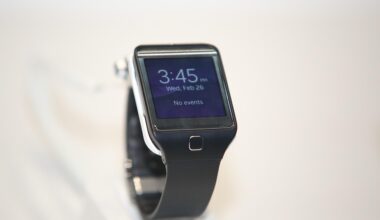

How Cycling Computers Enhance Your Training and Performance
Cycling computers have revolutionized how cyclists train, providing essential data that back a cyclist’s performance. These devices monitor speed, distance, time, and heart rate, helping riders stay motivated and track improvements over time. With advanced features, cyclists can accurately analyze their workouts and make data-driven decisions for future training. Having real-time statistics at your fingertips enables you to adjust your efforts on the fly, ensuring optimal performance during rides. Many cycling computers allow for integration with other fitness apps, giving users access to comprehensive training logs. Moreover, these devices promote accountability, facilitating goal-setting and progress tracking. Whether you aim to lose weight, increase endurance, or speed, a cycling computer is an invaluable tool. Riders benefit from customizable settings and visual displays that help them focus on key performance metrics. They also enhance safety with GPS functionality, ensuring a smoother ride without getting lost on unfamiliar routes. Ultimately, investing in a quality cycling computer can lead to tangible improvements in fitness and performance. Embracing technology in cycling empowers cyclists at any skill level to optimize training through precise data analysis and actionable insights.
Key Features of Cycling Computers
There are several key features that make cycling computers indispensable for improving performance and training effectiveness. First, GPS functionality allows cyclists to accurately track their routes and distances, presenting information that is crucial for long-term training plans. Also, heart rate monitors help riders understand their physical exertion levels while cycling. Additionally, advanced models offer cadence sensors, which can inform cyclists about their pedaling speed, impacting their efficiency over time. By tracking cadence, cyclists can adjust their style to improve performance. Furthermore, many devices now feature Bluetooth and ANT+ connectivity, which allows seamless syncing with smartphones and other gadgets. This can enhance features like music playback control unexpectedly. Cyclists can also upload their data to fitness platforms, creating an extensive record of their efforts over time. Additionally, certain models come equipped with power meters that measure the energy output. This data is vital for advanced riders looking to optimize their performance. With all these features, cycling computers become an all-encompassing tool that not only tracks metrics but also aids cyclists in achieving their fitness goals through informed training decisions. This synergy of technology and performance enables remarkable improvements in cycling efficiency.
Data accuracy is another crucial element that determines the effectiveness of a cycling computer. A precise measurement of performance metrics allows cyclists to identify their strengths and weaknesses accurately. Armed with these insights, cyclists can create focused training plans that address specific areas requiring improvement. Some devices even offer benchmarking against previous rides, ensuring that riders can see their progression clearly and adjust their goals accordingly. Additionally, with the ability to set personal records, cyclists find greater motivation to enhance their training sessions. By competing against themselves, they maintain a positive and engaging cycling environment. Moreover, regular updates from manufacturers often improve the functionality and accuracy of these devices. Cyclists benefit from a community of users who provide feedback, enhancing the overall performance of cycling computers on the market. This evolution ensures that all riders, regardless of experience, can rely on accurate data for effective training. Riders are not only motivated to improve but also enabled to calculate the most efficient training sessions. Ultimately, the right cycling computer not only simplifies data tracking but also inspires riders to push their limits, fostering a culture of continuous improvement within the cycling community.
One of the most significant advantages of modern cycling computers is their compatibility with various accessories. Cyclists can enhance their experience by pairing their devices with additional sensors, such as speed sensors or heart rate monitors, for even more precise data tracking. Many cyclists also choose to use cadence sensors, which can lead to more effective training outcomes. Higher engagement with data can lead to enhancements in cycling technique and overall performance. Furthermore, coaches and personal trainers often utilize this data to create tailored training programs for individuals. When cyclists can share this information, they obtain detailed feedback, which leads to more structured training sessions. Many devices now allow integrations with smartwatches and mobile applications, which enhance their functionality. For example, syncing your cycling computer with a smartphone can help display notifications without having to look at a mobile screen. This ensures a safer riding experience while keeping the cyclist informed. Additionally, with many cycling computers being water-resistant, riders can confidently use them in varying weather conditions, further amplifying their reliability. In conclusion, the versatility of cycling computers with accessories provides immense value for improving cycling experiences.
Analytics dashboards in cycling computers offer deeper insights into overall performance. These dashboards provide a visual summary of performance metrics that can analyze progress over different periods, such as weeks or months. With these insights, cyclists can recognize patterns and maintain consistent improvement over time. Tracking fitness levels and identifying which workouts resulted in better performance helps riders make informed decisions moving forward. Furthermore, experiencing trends in performance can motivate cyclists to maintain their workout routines. Having a user-friendly interface that simplifies comprehension of complicated data is essential for maximizing the effectiveness of cycling computers. Riders should look for a cycling computer that has an intuitive dashboard and easy navigation features to access information quickly. Beyond the statistics, a cycling computer may include features tailored to the cycling disciplines like mountain biking or road cycling. This adaptability can improve the experience by providing the most relevant insights tailored to the environment. Additionally, cyclists can predict and avoid potential challenges based on weather patterns and previous rides, improving strategy and focus. With properly analyzed data, cyclists will feel prepared and confident to tackle any challenges that await them on their journeys.
Community and Social Influence
The cycling community thrives on shared experiences and social connections, and cycling computers play a vital role in facilitating this engagement. Riders often participate in online forums and social media groups where they can share performance data and personal achievements. This creates an inspiring environment where cyclists can motivate one another to discuss their challenges and triumphs on their cycling journeys. When cyclists share their statistics, they benefit from a collective pool of knowledge that can lead to invaluable insights about best practices and new training methods. Gathering feedback and advice enhances their training strategies while providing encouragement. Many cycling computers allow users to share their statistics directly to social media platforms, further enriching their involvement in the cycling community. Friendly competition is also present, with many riders utilizing apps that track their performances against friends and other cyclists, creating exciting opportunities for challenges and communal motivation. Consequently, this aspect of cycling technology transcends beyond physical training, nurturing a sense of camaraderie that pushes cyclists to improve. Collaboration amongst cyclists encourages a healthy lifestyle while cultivating enthusiasm for the sport, ultimately contributing to a flourishing cycling culture worldwide.
In order to maximize the benefits gained from cycling computers, riders should focus on regular maintenance and updates. Keeping the devices clean and ensuring that they have the latest firmware is essential for optimal functionality. Many manufacturers frequently release updates to enhance performance, improve features, and fix bugs. Cyclists benefit greatly from being aware of these updates to ensure their devices are operating efficiently. Additionally, learning how to utilize all available features will help riders unlock the full potential. Most cycling computers come with user manuals and online resources that assist users in mastering these features. Therefore, taking the time to read through these materials can provide insights that significantly improve overall cycling performance. Regularly calibrating sensors linked to the computer is also functional, ensuring data accuracy. Cyclists can consult forums or attend workshops to learn more about best practices in maintaining their devices. Subsequently, adapting to technological advancements in cycling computers empowers riders with knowledge that can keep them ahead of trends and enhance their riding experience. Investing time in understanding the importance of this technology ultimately leads to better cycling outcomes.
The Future of Cycling Computers
Looking ahead, cycling computers are likely to become even more advanced, incorporating cutting-edge technology and features to enhance user experience. Innovations in wearable technology pave the way for more compact devices that provide the same level of analytical insights. It’s conceivable that future cycling computers could be integrated into eyewear or helmets, making the information easily accessible without distraction. Additionally, advancements in data processing and algorithms could offer more personalized coaching, adapting to riders’ needs dynamically. This would significantly improve training and performance outcomes by providing real-time recommendations based on recent efforts. Furthermore, improved battery life will play a vital role in how cyclists can use their devices effectively on long rides without worry. Future cycling computers may also integrate more extensive uses of artificial intelligence to assist riders in completing their fitness goals. As technology continues to evolve, cyclists can expect even deeper insights into performance and training analysis. Embracing these innovations has the potential to bring cycling technology closer to their personal fitness requirements. As cycling continues to grow in popularity, the evolution of cycling computers will undoubtedly encourage more riders to take up the sport and improve their overall fitness and performance.