
The Role of Music in Zumba Classes: Boosting Performance
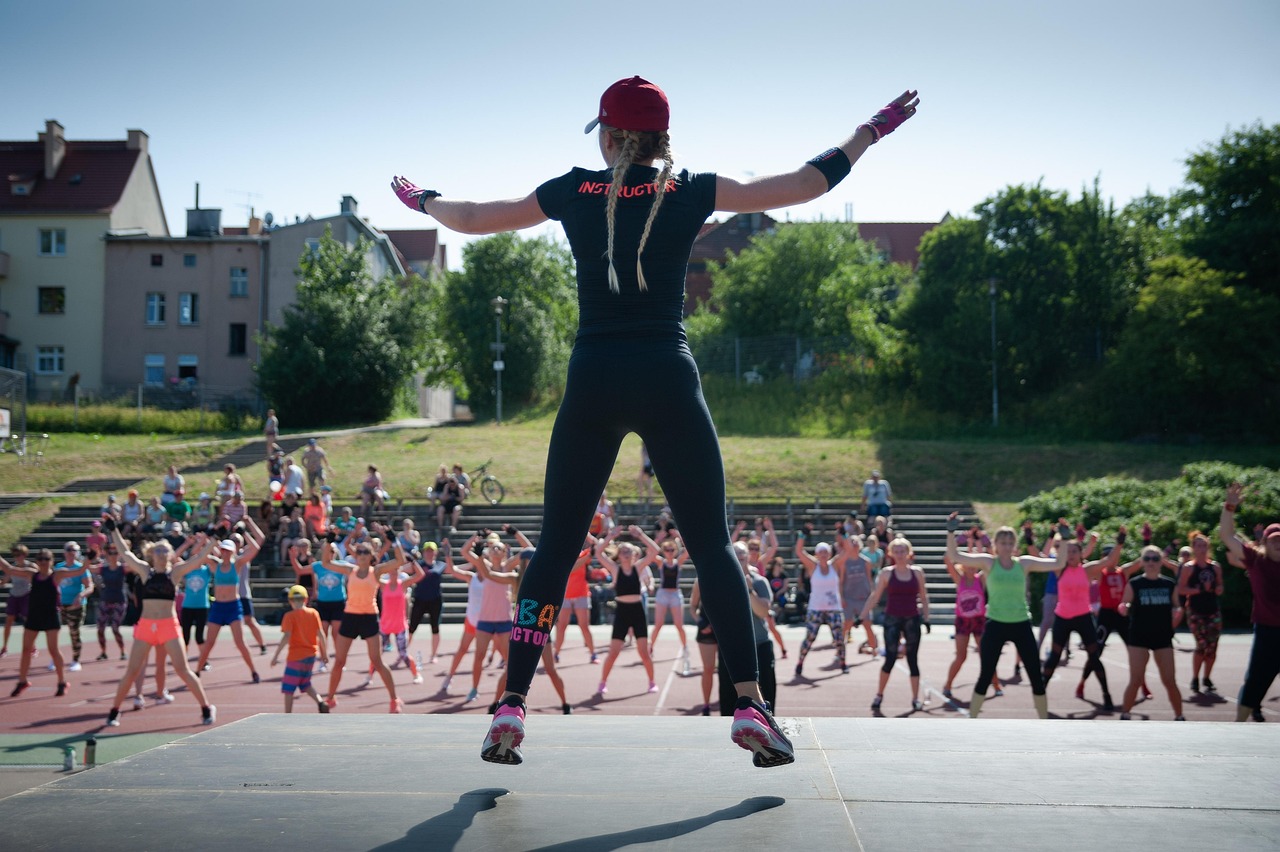
Zumba classes are a vibrant mix of dance and fitness; they rely heavily on engaging music to motivate participants. The right music has the power to elevate energy levels, create a fun atmosphere, and encourage movement. In Zumba, instructors carefully curate playlists that sync well with the rhythms of different dance styles. This strategy not only improves the workout experience but also helps participants lose themselves in the joy of movement. A strong connection between music and dance enhances coordination and cardiovascular benefits, making workouts more effective. Moreover, well-chosen songs can evoke emotions, adding a layer of enjoyment that keeps people returning to classes. For many, this uplifting experience offers a break from daily stresses, providing both physical and mental health benefits. When participants feel a connection to the music, they are more likely to push themselves harder and fully commit to the workout, achieving better results. Thus, the role of music in Zumba classes is critical in boosting performance, enhancing enjoyment, and fostering a community of fitness enthusiasts.
The Science Behind Music and Movement
Research shows that music affects physical performance; it can enhance endurance and motivation during workouts. This phenomenon is evident in Zumba classes where instructors utilize specific musical elements to get participants moving. The tempo of a song directly impacts the pace of the class, setting a rhythm for dance routines. Upbeat tracks inspire lively actions, whereas slower tunes may promote stretching or relaxation. Furthermore, tempo synchronization encourages individuals to match their movements with the beat, enhancing coordination and overall fitness levels. The brain responds to music by releasing dopamine, a neurotransmitter linked to pleasure and reward. Consequently, participants feel good while exercising, making them more likely to keep coming back. In Zumba classes, instructors often use popular tracks that resonate with attendees, ensuring high energy levels. This careful selection helps individuals connect emotionally with what they are doing, leading to a more enjoyable and effective workout. As a result, the science behind music and movement shows undeniable benefits in group classes like Zumba, fundamentally underpinning their appeal.
Moreover, the social aspect of Zumba classes is significantly enhanced by music. When individuals dance together to infectious rhythms, it fosters a sense of community and belonging. This shared experience can keep motivation high, making it easier for participants to stay consistent with their fitness journey. The collective energy generated by a group dancing to upbeat music amplifies enjoyment, making workouts feel less like a chore and more like a celebration. Moreover, the supportive environment encourages beginners to feel welcomed and inspired, which is essential for retaining new members. As new friendships form through shared classes, the social interconnectedness nurtures accountability. Participants are more likely to attend sessions together, fostering commitment to personal fitness goals. In addition, instructors can use group dynamics to create exciting challenges, propelling everyone forward. This blend of music, movement, and camaraderie is truly a core aspect of Zumba classes. Ultimately, as individuals share their achievements in fitness, the music transcends its role as a mere backdrop, becoming a vital ingredient for cultivating long-lasting relationships between community members.
Enhancing Performance with Appropriate Tracks
Specific music genres can serve distinct purposes in a Zumba class, enhancing performance throughout the workout. Latin beats, like Salsa and Merengue, appeal to the rhythm of Zumba. Each type of music brings its unique flavor, influencing movements and techniques. Participants find themselves immersed in the sensations that come from the music’s vibe, allowing for freedom of expression during workouts. Carefully chosen tracks stimulate adrenaline levels, leading to faster movements and greater calorie burn. Moreover, adjustments to volume can significantly affect motivation levels; louder beats often push individuals to exert more energy and effort. Instructors can strategically vary tempo and song transitions to maintain engagement. Peaks in musical excitement coincide with workout intensity peaks, which keeps participants in a state of flow. This boosts overall performance, ensuring maximum effectiveness in calorie burning and building endurance. Thus, the art of selecting appropriate tracks in Zumba classes is an invaluable skill that enhances performance while simultaneously enriching the overall workout experience for everyone involved.
As the Zumba community continues to grow, music’s influence becomes more pronounced in shaping the overall atmosphere of classes. It’s essential for instructors to remain attuned to participants’ preferences and incorporate diverse musical selections. Participants appreciate variety, and regularly updating playlists keeps anticipation high and boredom at bay. Many instructors solicit feedback on song choices, which creates an inclusive vibe while catering to participants’ tastes. Furthermore, incorporating popular and trending tracks encourages more people to join classes. As new songs make their way into the playlist, familiar beats help solidify connections among attendees, facilitating a shared experience that bolsters many workouts. By bringing in varied music styles, such as Reggaeton or Hip-Hop, the Zumba community can keep expanding its demographic reach, bringing together individuals from all walks of life. This fusion of cultures celebrates diversity, promoting unity through movement. Music’s role in creating a vibrant community underlines its importance for Zumba classes, connecting people through rhythm and shared experiences. In this ever-evolving landscape, music remains a key ingredient for success.
Conclusion: The Power of Music in Zumba
Ultimately, music holds immense power in Zumba classes, significantly impacting fitness outcomes and participant engagement. From energizing rhythms to heartfelt melodies, every note influences behaviors and emotions. Music enhances workout effectiveness by motivating individuals, amplifying enjoyment, and encouraging social bonds amongst attendees. Instructors create empowering atmospheres by thoughtfully selecting tracks that resonate with various participants. This attention to detail bolsters community connections while fostering personal growth. As Zumba continues to evolve, the careful integration of music remains paramount. It provides not only a backdrop but a vital framework shaping the experience participants cherish. As individuals dance their way through classes, they immerse themselves in a world that celebrates movement, health, and joy. This compelling blend of music, connection, and activity nourishes both physical health and mental well-being. Ultimately, as the Zumba phenomenon thrives, the role of music will always remain central in bridging gaps, instilling motivation, and enhancing performance for everyone involved in this vibrant community.
The overarching theme of Zumba lies in the interconnectedness of fitness, music, and community spirit. Through music, participants discover both motivation and joy in exercise. Music also transforms the perception of fitness from a chore into a pleasurable experience, which seems inviting. Every beat inspires a little more movement while encouraging creativity and self-expression. Furthermore, individuals engage beyond simply attending classes; they become part of an ecosystem that appreciates shared experiences. Feedback, participation, and acknowledgment bring about deeper relationships among members, creating an inviting atmosphere. The joy of dancing with friends contributes to a strong sense of belonging; participants celebrate their personal achievements and those of others. As Zumba continues to attract diverse groups, the role of music becomes paramount in crafting memorable experiences that stand the test of time. Ultimately, each track chosen serves as a bridge, bringing people together into a shared journey of fitness and celebration. As this unique workout continues to thrive, may the rhythm of Zumba resonate far and wide, inspiring countless individuals along the way.
In conclusion, music plays a critical role in Zumba classes, effectively boosting performance and engagement among participants. The interaction between music and choreography creates an environment that fosters rhythm, creativity, and pure enjoyment. By combining various musical genres and promoting community engagement, Zumba enriches the overall workout experience while building relationships among its participants. Participants not only reap the physical benefits of exercise but also receive mental health boosts through joy and shared experiences. The fusion of dance and music cultivates a space for empowerment, enabling individuals to embrace their unique fitness journeys. By prioritizing music in Zumba classes, fitness instructors and participants alike can maintain high energy levels, ensuring sustained motivation and consistent attendance. As the Zumba movement continues to grow, its further integration of diverse music styles will pave the way for more vibrant and inclusive classes. In this spirited environment, individuals can find their place in the dance, all while boosting their performance. Music remains the backbone of this fitness phenomenon, transforming group classes into joyous celebrations of health and wellness.