
Open Water Swimming Techniques to Improve Your Performance
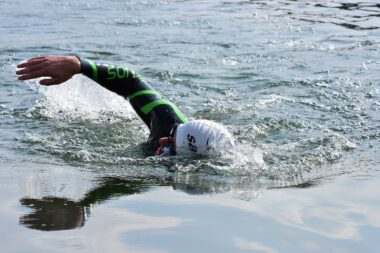
Open water swimming presents unique challenges and requires specific techniques to enhance performance. To start, mastering your breathing technique is crucial. Ensure you establish a rhythm that synchronizes with your stroke and body movements. This consistency allows for a smoother glide through the water. Additionally, practicing bilateral breathing will provide better balance and help you adjust to changing conditions in the open water. Another fundamental aspect involves improving your stroke technique. Focus on extending your arms fully during each stroke to maximize reach. Consider incorporating drills like single-arm swimming to emphasize your stroke mechanics. These drills help improve your overall efficiency. Furthermore, navigation skills are vital in open water. Utilize landmarks and practice sighting to maintain your line without losing speed. Knowing how to sight efficiently reduces energy expenditure and keeps you on course. Moreover, developing a strong kick will aid propulsion and stability. Exercise your leg muscles regularly to enhance your kick’s power. Finally, embrace open water conditions by training in various environments. This will condition your body and mind to adapt seamlessly. By integrating these techniques, you will see improvements in your swimming performance.
When engaging in open water swimming, mastering comfort and endurance can significantly impact your performance. Start by acclimating to cold water temperatures gradually to enhance comfort levels during your swims. Regular exposure to colder water will help your body adapt over time. One effective method to boost endurance includes incorporating interval training sessions. Engage in short bursts of higher intensity followed by periods of steady pace swimming. This approach optimizes cardiovascular conditioning and builds stamina essential for open water events. Additionally, focus on building strength outside the water by participating in activities such as running or cycling. These workouts enhance overall fitness levels, translating to stronger swimming performance. Furthermore, group swims provide an excellent opportunity for social interaction and motivation. Partnering with fellow swimmers can inspire you to push beyond your limits. Approach your training with a mix of solo and group swims to harness the benefits of both methods. Embrace challenges presented by variable weather conditions, tides, or currents to improve adaptability. Learning to swim effectively in diverse environments will refine your skills. These are crucial for any open water swimmer aiming to excel and compete.
Open Water Safety Techniques
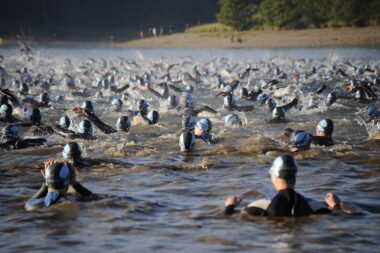
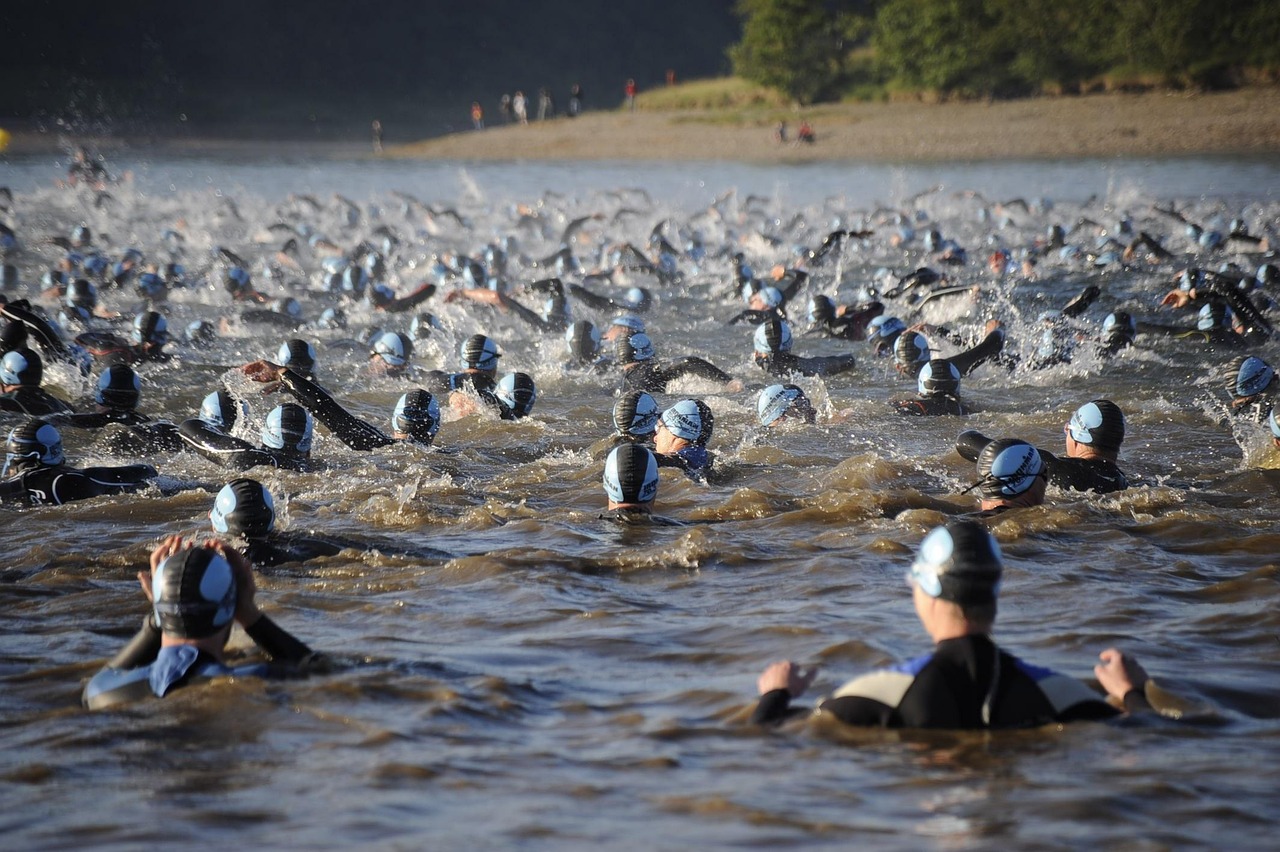
Prioritizing safety in open water swimming is imperative for success and enjoyment. Always swim with a buddy, ensuring you have someone to assist in an emergency. Establish clear communication, set swimming boundaries, and frequently check in with each other. Additionally, familiarize yourself with local water conditions before entering, as factors like currents, tides, and temperature can determine safety. Knowing the risks allows for better preparation. Equip yourself with essential safety gear, such as personal flotation devices (PFDs) or swim buoys. These items enhance visibility and buoyancy, significantly reducing risks. Furthermore, it is vital to understand basic rescue techniques, whether you’re the swimmer in distress or a bystander. Swimming alongside others promotes a supportive environment where everyone can learn critical skills. Ensure you’re wearing a bright swim cap to enhance visibility for rescuers. Pay attention to weather forecasts to avoid swimming in dangerous conditions, which minimizes risks associated with sudden storms or rough waters. Finally, consider practicing in less populated areas before swimming in crowded events. This technique allows you to build confidence progressively while ensuring that you’re ready for the demands of competitive environments.
Nutrition plays a crucial role in optimizing your performance during open water swimming. Before each swim, focus on fueling your body correctly with the right balance of carbohydrates, proteins, and fats. This balance ensures that energy levels are maintained throughout your training sessions or competitions. Consume easily digestible foods, such as bananas or energy bars, approximately 30 minutes before your swim. This provides a quick energy boost. Post-swim recovery is equally important. Incorporate protein-rich snacks within 30 minutes of finishing your swim to facilitate muscle recovery. Drinks designed for hydration or electrolyte replacements are essential, particularly for longer swims. Dehydration significantly impacts performance and focus. During lengthy swimming sessions, practice hydration techniques by drinking water or electrolyte-infused drinks to replace lost fluids. Tailor your nutrition approach based on the duration and intensity of your swim. Developing a personalized plan may involve consulting with a nutritionist specializing in sports or endurance athletes. Experiment with different foods and drinks during training to see which combination works best for your body. With proper nutrition strategies in place, you’ll be primed to elevate your open water swimming performance.
Building Mental Toughness
Mental fortitude is essential in open water swimming, where psychological challenges are as real as physical ones. The first step in cultivating mental toughness involves embracing discomfort. Push beyond your comfort zone during training sessions to foster resilience. This could mean swimming longer distances or in unpredictable conditions. Visualizing success can be a powerful motivator; practice mental imagery techniques to envision yourself achieving your goals. By imagining your successes in detail, you can create a positive mindset that prepares you for real challenges. Additionally, utilize mindfulness techniques such as focused breathing or visualization in the water during tough swims. This practice helps you manage anxiety or apprehension about the environment. Journaling your swimming experiences can also aid in processing emotions and uncovering patterns impacting your performance. Reflecting on fond memories boosts motivation and inspires further improvement. Joining a supportive community or swimming club allows you to share experiences and thoughts, bolstering mental resilience. Create achievable short and long-term goals, allowing you to focus on progress and personal bests rather than competitive pressure. Cultivating these strategies will undoubtedly strengthen your mental game in open water swimming.
Weather conditions can heavily influence the experience and performance of open water swimming. Understanding these conditions plays a critical role in planning your swims effectively. Typically, mornings present calmer waters, making them ideal for swimmers. Plan your swims strategically around these natural patterns. Monitor weather forecasts set to recognize temperature changes, wind patterns, and potential storms. Acquaint yourself with how temperature changes impact your performance, especially when transitioning from indoor to outdoor environments. Develop a routine that assesses current conditions and adjusts your training schedule accordingly. Wind can create waves, complicating your ability to navigate efficiently. Prepare for such contingencies by practicing in varied climates and learning to adjust your stroke to accommodate the water’s movement. Consider using a buoy or a GPS watch to help maintain your course during tough conditions. Another useful investment involves wearing polarized sunglasses. They significantly reduce glare from the sun on the water’s surface while enhancing overall visibility. Stay informed about local swimming rules, as rules can vary depending on the weather and seasonal changes. This preparation will maximize safety and performance while enjoying the open water.
Open Water Technique Refinement
Refining your open water swimming techniques is vital for improved performance. Emphasizing body position plays a crucial role; maintain a horizontal alignment, ensuring your hips are high when swimming. This position helps reduce drag and enhances streamlined movement. Practicing drills such as the fingertip drag can help create a better understanding of stroke entry and body alignment. Work on maintaining a consistent kick, ensuring that it complements your stroke rather than causing disruptions. Strong kicking provides additional propulsion and stability. Furthermore, focusing on hand entry into the water is essential. Aim for a relaxed yet firm entry, allowing your hand to slice through the water efficiently. You can improve your catch phase by gently pushing yourself forward with your forearm. This technique boosts your power and helps sustain speed. Distance and technique drills, including catch-up drills, can help optimize efficiency. Consider recording yourself swimming, as video analysis offers valuable insights into stroke mechanics. Joining swim analysis sessions will provide professional expert feedback, allowing faster improvement in technique. Consistent practice of these aspects can lead to a more robust and powerful stroke, enhancing your overall performance in open water.
Planning your training should incorporate a mix of structured workouts and natural swims. Establish specific goals for each session to track progress clearly. Ensure your routine includes endurance training sessions, threshold swims, and speed work. All three components add significant value to your progression as a swimmer. Mixing distance with intervals helps you adapt and overcome challenges, preparing you for different types of events. Create a variety of routines, and engage with different strokes. Not all open water events allow freestyle swimming, and cross-training will enhance your versatility. Incorporate strength workouts on dryland to improve your swimming muscles. Consistency is key; ensure that your overall plan promotes gradual intensity increases to avoid injuries. Prioritize rest days where your body can recover and repair, which is important for sustained improvement. Furthermore, consider participating in organized events or challenging swims, as these build confidence and gauge your progress against peers. Make time for technique-focused sessions individually or with a coach to ensure ongoing development. Reflecting periodically on your training will inform necessary adjustments, ensuring continual improvement as you strive towards your open water swimming goals.