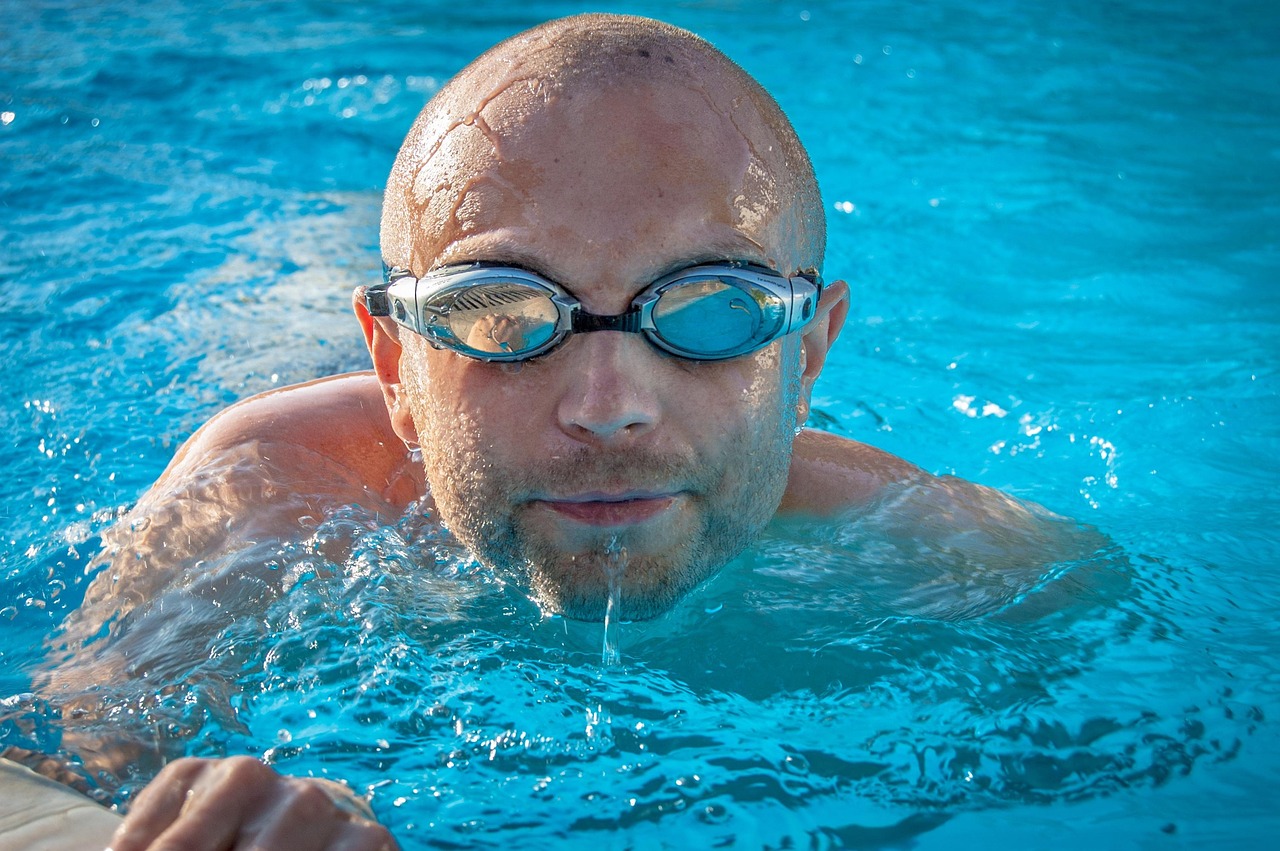

Essential Swimming Drills for Seasonal Fitness Improvements
Swimming is an excellent way to improve cardiovascular health and overall physical fitness. Seasonal fitness can benefit from regular swimming workouts which help stay active year-round. As the swimming season approaches, it’s vital to focus on specific drills that enhance technique and stamina. Backstroke drills are important for improving backstroke skills and building muscle memory. Start with a flutter kick while concentrating on hip rotation and arm movement. These elements contribute to a smoother and quicker swimming pace. Freestyle swimming drills can also increase proficiency. Alternate breathing patterns and incorporate longer glides for better breath control while in the water. Endurance workouts are beneficial too, aim for longer distances with minimal breaks to develop stamina. These workouts reinforce muscle endurance critical for swimming. Don’t forget about incorporating drills that focus on starts and turns; they are essential for competitive swimmers. Practicing diving starts and flip turns will provide a considerable advantage in performance contests. Ultimately, consistency in these workouts can transform fitness levels in time for the peak swimming season.
Benefits of Focused Swimming Drills
Engaging in swimming drills provides numerous benefits that can significantly influence your overall fitness. These drills not only enhance technique but also promote strength and endurance, crucial factors for improvement. An essential drill is the “catch-up drill” which focuses on the freestyle stroke elements. This drill emphasizes hand positioning and timing, helping swimmers maintain efficient arm movements throughout their strokes. Focusing on proper hand entry can help minimize resistance in the water. Another beneficial drill is the “3-3-3 drill”. In this, swimmers alternate breathing by taking three strokes on one side, then switching while conserving energy reserves. This drill sharpens body alignment, promoting balance and stability. Moreover, body position drills such as “shoulder roll drills” can be utilized to enhance posture in the water. Ultimately, by concentrating on these specific techniques during workouts, swimmers can significantly increase their speed and reduce energy consumption. Furthermore, the psychological benefits gained from improved technique cannot be overlooked. Feeling more in control fosters confidence and enjoyment during swims, leading to a more committed training experience.
In addition to traditional drills, incorporating tools like kickboards and pull buoys can enhance workouts greatly. Kickboards are incredibly effective in isolating the legs, allowing swimmers to develop stronger kicks. Stronger kicks contribute significantly to body buoyancy and speed in the water. Start with basic kicks using a kickboard, ensuring a streamlined body position. Meanwhile, pull buoys are excellent for refining upper body strength. These should be placed between the legs, allowing swimmers to focus on their arm strokes and breathing without worrying about leg movement. Engaging the core is essential during this exercise, providing added stability. Another vital tool from the swimming toolkit is resistance bands. Resistance training outside the pool can complement swimming drills, as they can target specific muscle groups relevant to swimming. Implementing these additional workouts off the poolside develops strength, which translates well into the water performance. Combining these techniques will elevate fitness levels significantly. A varied approach ensures that training stays interesting and effective, ultimately encouraging continual improvement during each swimming season.
Incorporating Speed into Your Workouts
Speed is a crucial element of swimming, and drills targeting speed can enhance performance significantly. One highly effective drill involves the use of “sprints” during workouts. Incorporating short distances at maximum effort such as 50- or 100-meter sprints can drastically improve speed over time. A focus on pacing is vital; the goal is to maintain high speed while ensuring proper form throughout. Additionally, “fins drills” can aid in speed development as they provide propulsion and increase leg strength. While using fins, swimmers should pay attention to kick technique to meet optimal speed without compromising form. Implementing “interval training” is another strategy that brings about speed gains. Alternating between high-intensity bursts of speed followed by rest periods enhances overall cardiovascular endurance and improves recovery time. Implementing variety in rest duration can also maximize training effectiveness. Combining these speed drills with longer aerobic sets can provide a well-rounded approach to swimming fitness. Remember to always warm up before engaging in high-intensity workouts, ensuring injury prevention and optimal performance during your training sessions.
In addition, setting personal goals can have an enormous impact on performance enhancement throughout the swimming season. When swimmers set achievable yet challenging objectives, they remain motivated and focused. They can begin by recording benchmarks, understanding where improvements are needed. Gradually increasing the distance each week can help in gauging performance naturally during this progression. Moreover, finding a training partner or engaging in swim clubs promotes accountability and motivation. Partner workouts often include competitive drills, which can spark friendly rivalry. This added element keeps the training process engaging and enjoyable. Attending swimming clinics can also enhance knowledge and provide new drills to incorporate into your workouts, exposing you to various techniques from professional coaches. Adjusting drills according to personal goals ensures that progress remains on track. Lastly, celebrating small victories, such as achieving faster times or performing difficult drills correctly, keeps spirits high throughout the season. With consistent effort and focus, success in swimming workouts is undoubtedly attainable, ensuring that seasonal fitness goals become achievable truths.
Nutrition for Seasonal Swim Training
Proper nutrition plays an indispensable role in swimming workouts and overall fitness improvement. As swimmers dive into a structured training routine, a balanced diet is critical for sustaining energy levels and facilitating recovery. Incorporating a mix of carbohydrates, proteins, and healthy fats ensures fuel availability before and after workouts. Carbohydrates, such as whole grains or fruits, provide sustained energy needed for swimming intensity. Conversely, proteins such as lean meats, legumes, and nuts help repair tissues after strenuous workouts. Healthy fats, found in avocados and fatty fish, can also provide energy while supporting overall body functionality. Staying hydrated is equally crucial; consuming adequate fluids before, during, and after training sessions can drastically enhance performance. Electrolyte levels should be maintained for prolonged swimming durations, especially in warmer climates. Swimmers can also utilize sports drinks to ensure electrolytes are consistent in prolonged sessions. Consistently fueling the body with nutritious foods supports improvement in swimming performance. Experimenting with different pre- and post-workout meals can also help understand personal nutrition preferences which align well with individual body needs, leading to a better training experience.
Lastly, scheduling regular rest days is essential for prevention and recovery. While consistent training is imperative, allowing a body rest can bolster performance capabilities greatly. Swimming workouts can be strenuous, and incorporating rest days enables muscles to recover effectively. Active recovery, such as light swimming or gentle walking on rest days, can improve blood circulation and promote healing. Adequate sleep is another aspect that cannot be overlooked; rest is essential for muscular recovery and mental rejuvenation. It contributes to increased focus and enhanced performance during training sessions. On days off, engaging in flexibility exercises such as yoga can aid in maintaining mobility and preventing injury. Furthermore, incorporating mindfulness techniques can reduce stress and promote positive mental health, improving motivation. A holistic approach to fitness includes listening to the body and responding appropriately to ensure success. By incorporating rest, nutrition, and varied swimming workouts, swimmers can maximize their seasonal fitness goals. Embracing this multifaceted strategy enhances enjoyment and overall effectiveness, translating into improved performance once the competitive swimming season arrives.
Conclusion
In conclusion, focusing on essential swimming drills throughout the swimming season provides substantial benefits toward achieving seasonal fitness improvements. Employing specific drills that enhance skills and technique can significantly impact swimming performance. With the right combination of drills, nutritional strategies, and adequate rest, swimmers can develop both stamina and speed effectively. By actively participating in both mental and physical training and maintaining a clear focus on goals, impressive advancements in swimming can be achieved. Ultimately, the enjoyment of swimming should always be paramount, as it promotes consistency and dedication toward one’s fitness journey. Furthermore, embracing a community of fellow swimmers helps with accountability and motivation. Committing to the processes can provide transformative results leading to overall better performance. Regular assessments of personal progress will enhance awareness of swimming capabilities and encourage personal goal adjustments. Overall, a well-rounded approach to swimming includes engaging in targeted drills, maintaining proper nutrition, considering mental health, encouraging collaboration, and allowing for essential recovery. These elements create a positive atmosphere for improving fitness and performance, ensuring each season is met with enthusiasm and readiness.