
Virtual and Online Adaptive Fitness Resources
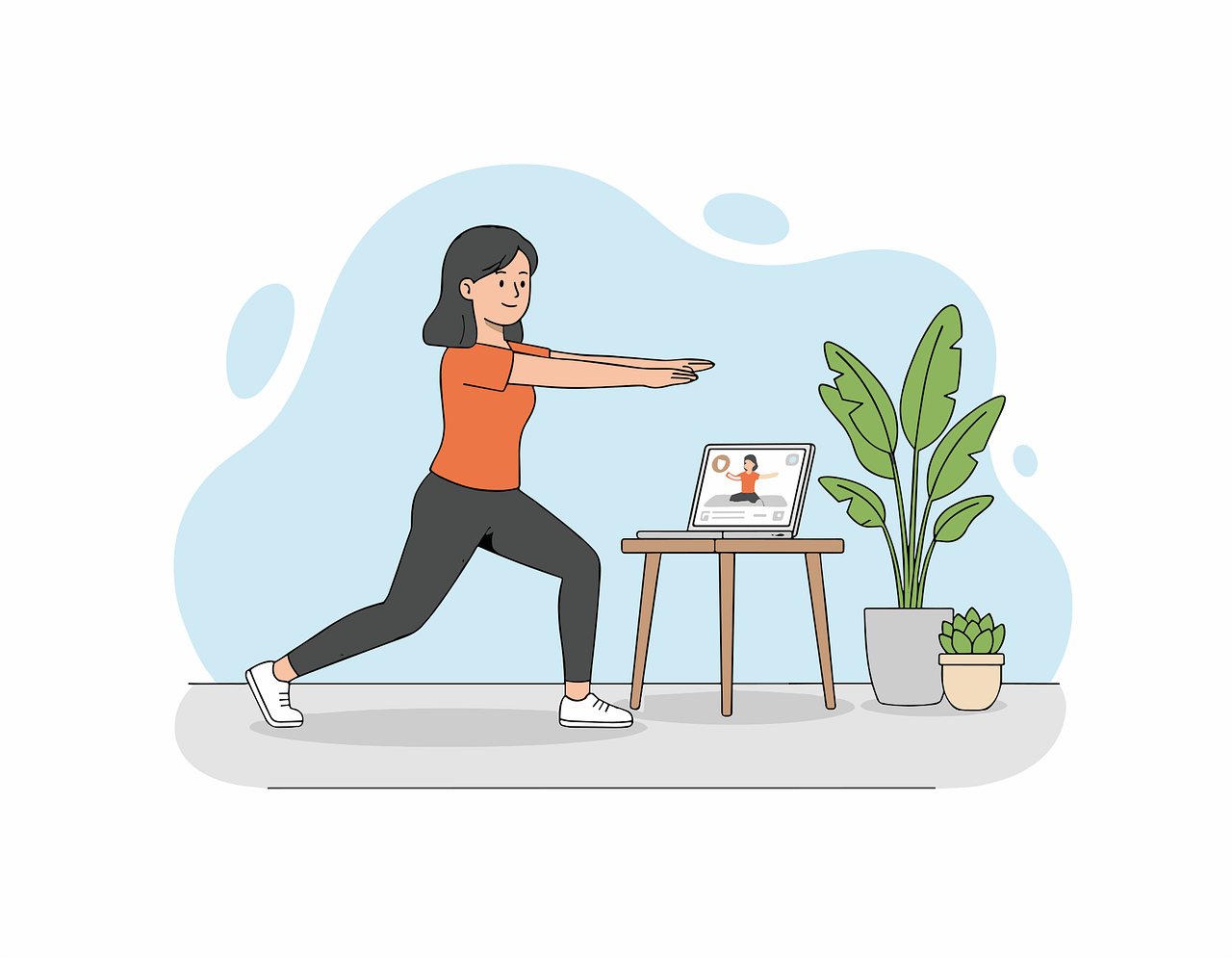
As society advances, more individuals with disabilities are seeking adaptive fitness options. The rise of virtual and online resources has allowed people with diverse physical conditions to access workouts tailored to their specific needs. With the help of technology, live streaming classes and on-demand videos have emerged, providing flexibility and comfort for users. These adaptive fitness programs often include a range of activities, from seated exercises to mobility training. Access to equipment is also considered, with many workouts utilizing resistance bands, body weight, and minimal gear. Online platforms focusing on adaptive fitness often curate routines that highlight accessibility and inclusivity. For many, virtual fitness solutions open doors to communities that promote health and wellness. Users can engage with trainers who understand their unique challenges, as well as connect with others participating in similar workouts. This shared experience fosters motivation and commitment to fitness goals. Overall, virtual adaptive fitness resources empower individuals to pursue healthier lifestyles within the comfort of their homes, making fitness accessible to everyone regardless of their physical abilities or limitations.
Adaptive fitness programs effectively break down barriers, providing an inclusive environment for people with disabilities. Access to diverse online platforms has revolutionized the approach to fitness, allowing users to connect at their own pace and comfort level. This adaptability is crucial for individuals who may feel self-conscious attending traditional gyms. Many platforms offer virtual support groups and forums, creating a sense of belonging among users. Furthermore, dedicated trainers specialize in adaptive fitness, ensuring every session aligns with the individual’s capabilities. Detailed modifications and varied session structures ensure that everyone can participate. The wealth of information available also includes nutrition guidelines tailored for people with disabilities. These curated resources inform users about proper dietary adjustments to complement their fitness routines. By addressing both mental and physical health, adaptive fitness initiatives foster holistic well-being. Online community engagement encourages users to exchange experiences and motivation, further enhancing their fitness journey. Thus, virtual and online adaptive fitness resources play a pivotal role in transforming health and wellness for individuals with disabilities.
Benefits of Online Adaptive Fitness
The mental health benefits of engaging in adaptive fitness cannot be overstated. Regular physical activity significantly reduces stress, anxiety, and depression while improving mood and fostering self-esteem. Online platforms offer a unique advantage by enabling users to exercise in a private environment without judgment. Many individuals with disabilities often face challenges in social settings, especially during physical activities. The comfort of home eradicates these barriers, allowing users to focus solely on their fitness journey. Additionally, live sessions foster community connections, bringing individuals together to celebrate progress and share experiences. This sense of togetherness can enhance motivation significantly. As users witness each other’s advancements, they’re encouraged to set and pursue their own fitness goals. Access to diverse adaptive workouts also supports personal growth, as users are exposed to a world of fitness options. This exposure invites experimentation, driving individuals to discover what resonates with their bodies and interests. Instructors often incorporate uplifting messages, emphasizing the importance of perseverance and resilience in pursuing fitness, enhancing the overall experience of participating in adaptive fitness online.
Technology continues to evolve, and adaptive fitness enthusiasts can benefit from a multitude of accessible tools. Video conferencing applications facilitate interaction between participants and trainers, allowing for real-time feedback. Furthermore, fitness tracking apps help individuals monitor their progress while staying motivated. Users can connect fitness apps with their devices, making it easy to log workouts, track calories, and maintain accountability. Moreover, some online platforms provide gamified experiences, engaging users in challenges and competitions that offer rewards and enhance enjoyment. These interactive elements cultivate a motivating atmosphere where users feel more inclined to persist. Additionally, educational resources such as online workshops and webinars teach users about various adaptive techniques and modifications. Information on injury prevention and rehabilitation to improve fitness results is also readily available. These resources empower individuals to take charge of their wellness journey actively. As access to technology improves, the impact of online adaptive fitness resources will continue to grow, enabling individuals with disabilities to engage in a fulfilling fitness lifestyle.
Expanding Resources for Different Disabilities
As adaptive fitness grows in popularity, more resources are emerging to cater to the diverse needs of individuals with different disabilities. Programs specifically designed for those with mobility impairments focus heavily on wheelchair fitness routines. Other resources target sensory disabilities by offering workouts delivered with visual cues or guided instructions through screen readers. This customization ensures that no one is left behind in their fitness journey. The adaptability of online programs guarantees access for learning disabilities too, providing routines that incorporate cognitive engagement alongside physical activity. These varied approaches empower individuals to exercise confidently, knowing their unique needs are being addressed. Furthermore, organizations are increasingly recognizing the importance of adapting community fitness programs for inclusivity. Campaigns aim to raise awareness about the significance of physical activity among individuals with disabilities. Collaboration with healthcare providers enhances the alignment of fitness programs and therapeutic recommendations, enabling more comprehensive wellness solutions. The expansion of adaptive fitness resources ensures individuals can participate comfortably. Ultimately, a diverse range of options creates an environment where everyone is encouraged to pursue their fitness goals without feeling overwhelmed by challenges.
Instructors play a vital role in the success of online adaptive fitness programs. Many trainers focusing on adaptive workouts are certified not only in fitness but also in dealing with various disabilities. This specialized knowledge enables them to create tailored, effective sessions. Trainers often engage in continuous education to stay updated on the latest techniques and the best practice guidelines. With their expertise, they can assess individual needs and craft personalized fitness plans conducive to each participant’s capabilities. Additionally, trainers are integral in establishing rapport with users, providing encouragement, and ensuring motivation throughout the process. It’s also essential that trainers emphasize safety during workouts, guiding users on proper techniques to prevent injuries. Their attentiveness enables participants to feel secure as they challenge themselves physically. Adaptive instructors foster an atmosphere of acceptance and support, encouraging users to communicate any discomfort or difficulty during sessions. This open dialogue enhances the training experience, making it more inclusive and effective. As adaptive trainers continue to support individuals through online platforms, they will undoubtedly contribute to the thriving community of adaptive fitness enthusiasts.
Future of Adaptive Fitness Resources
The future of virtual and online adaptive fitness resources looks promising as technology continues to advance. With new innovations, there are more opportunities for individuals with disabilities to explore tailored fitness solutions. Enhanced user interfaces, like augmented reality and virtual reality, could redefine engagement in fitness. These technologies have the potential to offer immersive workouts that built upon the existing foundations of online programs. They can simulate an in-person exercise experience while remaining accessible from the comfort of one’s home. Incorporating artificial intelligence will further personalize fitness solutions based on user preferences and feedback. Additionally, enhancing customization will ensure workouts remain exciting and adaptable over time. As more fitness professionals enter the field of adaptive training, the variety of programs will expand organically, creating niche communities focused on different disabilities. Research and development in adaptive fitness will maintain momentum, leading to better resources and efficacy in programming. Greater awareness and advocacy around inclusive fitness will bolster support and funding for these initiatives. Ultimately, the ongoing evolution of adaptive fitness resources will lead to an increasingly healthier society where everyone has the opportunity to thrive.
The engagement of healthcare professionals will significantly improve the quality of adaptive fitness resources available. Collaboration between fitness trainers and physical therapists can create comprehensive programming tailored for rehabilitation and overall health improvement. This multidisciplinary approach ensures that physical activity integrates seamlessly into therapeutic strategies aimed at fostering recovery and enhancing mobility. These partnerships can also offer individuals a clearer path to tread, ensuring safety and efficacy throughout their fitness journey. Expanded educational opportunities for trainers and healthcare providers staff will fortify the supportive network essential for adaptive fitness. Continuing education programs should prioritize training in communication and effective adaptations, enabling professionals to work harmoniously with individuals. Enhanced networking opportunities will further allow professionals and users alike to share insights and experiences, ultimately contributing to knowledge growth in adaptive fitness. By building a robust community surrounding adaptive fitness, individuals will feel inspired and empowered to pursue health journeys that reflect their unique aspirations and abilities. In summary, the collaborative efforts between trainers, healthcare experts, and individuals seeking fitness will underpin the lasting success of adaptive fitness resources.