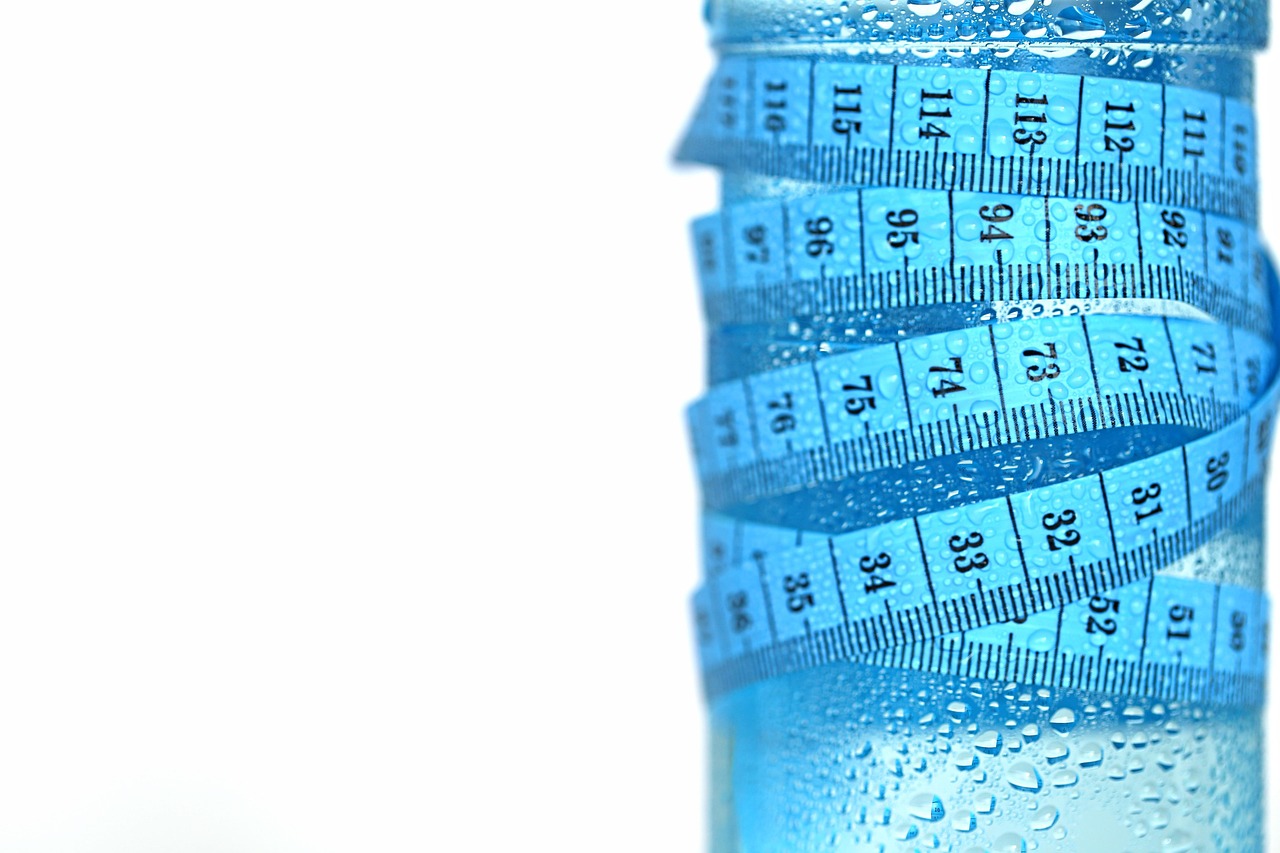

The Role of Hydration in Weight Loss and Fitness Performance
Hydration is a crucial yet often overlooked aspect of weight loss and fitness performance. Staying adequately hydrated can significantly affect how effectively you can burn fat and build muscle. Water plays a significant role in metabolic processes and helps transport nutrients throughout the body. When you’re dehydrated, your body may struggle to optimize these functions, making it easier to gain weight and more challenging to lose it. Furthermore, many people confuse thirst with hunger, leading to unnecessary caloric intake. Maintaining proper hydration can help manage this confusion, promoting better dietary choices. Hydration can improve energy levels, sharpen mental clarity, and enhance overall physical performance. Studies show that even mild dehydration can impair physical performance, leading to fatigue, reduced endurance, and slower reaction times. To reap the benefits of hydration on weight loss, make water your primary beverage, and aim to drink it throughout the day instead of just when you feel thirsty. Additionally, incorporating water-rich foods into your diet can also assist in maintaining proper hydration levels.
Understanding the recommended daily water intake can be vital for effective weight management. While individual hydration needs vary widely, a common guideline suggests about eight 8-ounce glasses—or roughly 2 liters—of water per day. This benchmark can fluctuate based on various factors, including age, activity level, climate, and overall health status. Therefore, it’s essential to tailor your hydration needs to your personal circumstances. For active individuals or those living in hotter climates, the need for water increases. One way to assess your hydration status is to observe the color of your urine; pale yellow generally indicates adequate hydration, whereas a darker hue can signify that you need to drink more fluids. Beyond plain water, other sources such as herbal teas, fruits, and vegetables can also contribute to your overall fluid intake. Keep in mind that beverages high in sugar or caffeine can lead to dehydration instead of hydration. By prioritizing adequate fluid intake, you not only support your weight loss efforts, but you also enhance your athletic performance, making hydration a key component of success.
The Effects of Dehydration on Weight Loss
Dehydration can severely inhibit weight loss efforts, creating a cycle that can be challenging to break. When you’re not drinking enough fluids, your body may experience fatigue, which can lead to decreased motivation and less physical activity. This lack of movement can significantly slow down your metabolism, hindering your weight loss goals. Moreover, dehydration impacts your body’s ability to detoxify, as water is essential for kidney function and the removal of waste products. Additionally, dehydration can lead to increased cravings, making it more likely for you to indulge in unhealthy foods. Research has shown that mild dehydration can also reduce exercise performance, which is critical for anyone looking to shed pounds. Therefore, to mitigate these challenges, focus on incorporating hydration breaks throughout your day. Carrying a water bottle and setting reminders to drink can help ensure you meet your hydration goals. Taking proactive steps to stay hydrated can result in better management of hunger hormones and improved overall health, further supporting weight loss and fitness performance.
The role of hydration is particularly significant during physical exercise, especially in weight-bearing activities. When engaging in workouts such as weightlifting or cardio, our bodies lose fluids through sweat, necessitating replenishment to maintain optimal performance. Adequate hydration helps maintain blood volume, aiding in oxygen transport to muscles and preventing muscle fatigue. Furthermore, staying well-hydrated ensures that joints remain lubricated, reducing the risk of injury during exercise. This is especially important for those managing obesity, as joint stress is a common concern. To maximize benefits, consider drinking water before, during, and after your workout to prevent dehydration and promote effective recovery. It’s essential to find a balance; while it is important to drink enough water, over-hydration can also be an issue, leading to potential hyponatremia. Listening to your body signals is key. As a general rule, pay attention to thirst cues and the color of your urine. Make hydration a priority, and you’ll likely experience not just improved fitness performance but also enhanced longevity in your weight loss journey.
How Hydration Supports Recovery
Recovery is a critical aspect of weight management and fitness that is often underestimated, and hydration plays a fundamental role in this process. Water aids in nutrient absorption, allowing essential vitamins and minerals to be efficiently utilized by the body, which can contribute to faster muscle recovery post-exercise. Adequate hydration also helps alleviate soreness and stiffness, getting you back to training sooner and more effectively. Electrolytes, such as sodium and potassium, are essential for maintaining fluid balance and preventing muscle cramps during and after workouts; these can be replenished through proper hydration strategies. For those serious about their weight loss goals, considering electrolyte-enhanced beverages during prolonged physical activity can be highly beneficial. In addition, staying hydrated helps regulate body temperature, which is especially important during intense workouts. Recovery foods and drinks should be high in protein and include sources of water, such as fruits; adding protein shakes with water can also support this endeavor. By making smart hydration choices, you’ll improve your recovery times and enhance your overall fitness experience, making it a vital aspect of your fitness journey.
Hunger management can also greatly benefit from proper hydration, as studies indicate that drinking water before meals often leads to reduced caloric intake. This simple strategy can be particularly advantageous for individuals looking to lose weight. Moreover, maintaining hydration may help regulate hormones that control hunger, such as ghrelin and leptin. When you’re well-hydrated, your body is more likely to signal when it’s truly hungry versus when it’s simply craving food due to dehydration. Integrating hydration into your daily routine, perhaps by starting each meal with a glass of water, can further aid in recognizing genuine hunger cues. In lenient measures, pairing water with meals can enhance digestion by helping break down food and promoting nutrient absorption. Consider infusing your water with fruits or herbs for a flavor boost, making it a more enticing option. Staying hydrated not only supports weight management but also enables you to enjoy a healthier relationship with food. This encourages mindful eating and fosters improved overall well-being, solidifying hydration as an effective tool in your weight loss journey.
Conclusion: Making Hydration a Habit
Adopting a habit of maintaining proper hydration can yield significant improvements in both weight management and fitness performance. You can take various practical steps to foster this habit, such as setting daily hydration goals or investing in a reusable water bottle. Keeping track of your fluid intake can serve as a motivating factor and help create awareness of your hydration levels. Additionally, engaging with apps that remind you to drink water can set you up for success as you pursue your fitness goals. By establishing a regular routine, hydration can become a seamless part of your daily regimen, thus supporting not only weight loss but overall health. Remember that consistency is key; making small changes, such as sipping water throughout the day rather than consuming large amounts at once, can be more sustainable. As you embark on your fitness and weight loss journey, let hydration be the foundation upon which you build healthier habits. From improving physical performance to treating your body with care, prioritize hydration, and watch how it transforms your results.
As we conclude, remember that hydration is not just a number on a scale but a lifestyle choice that significantly impacts overall health. Embrace it with intention, understanding that every drop counts! By regularly evaluating and adjusting your hydration practices, you can create a personalized strategy that aligns with your weight management goals and workouts. Going forward, aim to maintain a broad understanding of how hydration interacts with your lifestyle factors. Apply what you learn, and always be open to adapting your approach as necessary. Continue exploring the science behind hydration and its role in fitness so that you can refine your hydration strategy and enhance your performance. Lastly, share your insights on hydration with friends or a fitness community to create a supportive environment that encourages hydration awareness and accountability among peers. Together, you can foster a culture that makes hydration a priority in daily health practices. Sign up for updates from reputable health sources to stay informed about effective hydration techniques and other essential wellness tips. By doing so, you are investing in your health now and for the future!