
The Importance of the Endocrine System in Detoxification
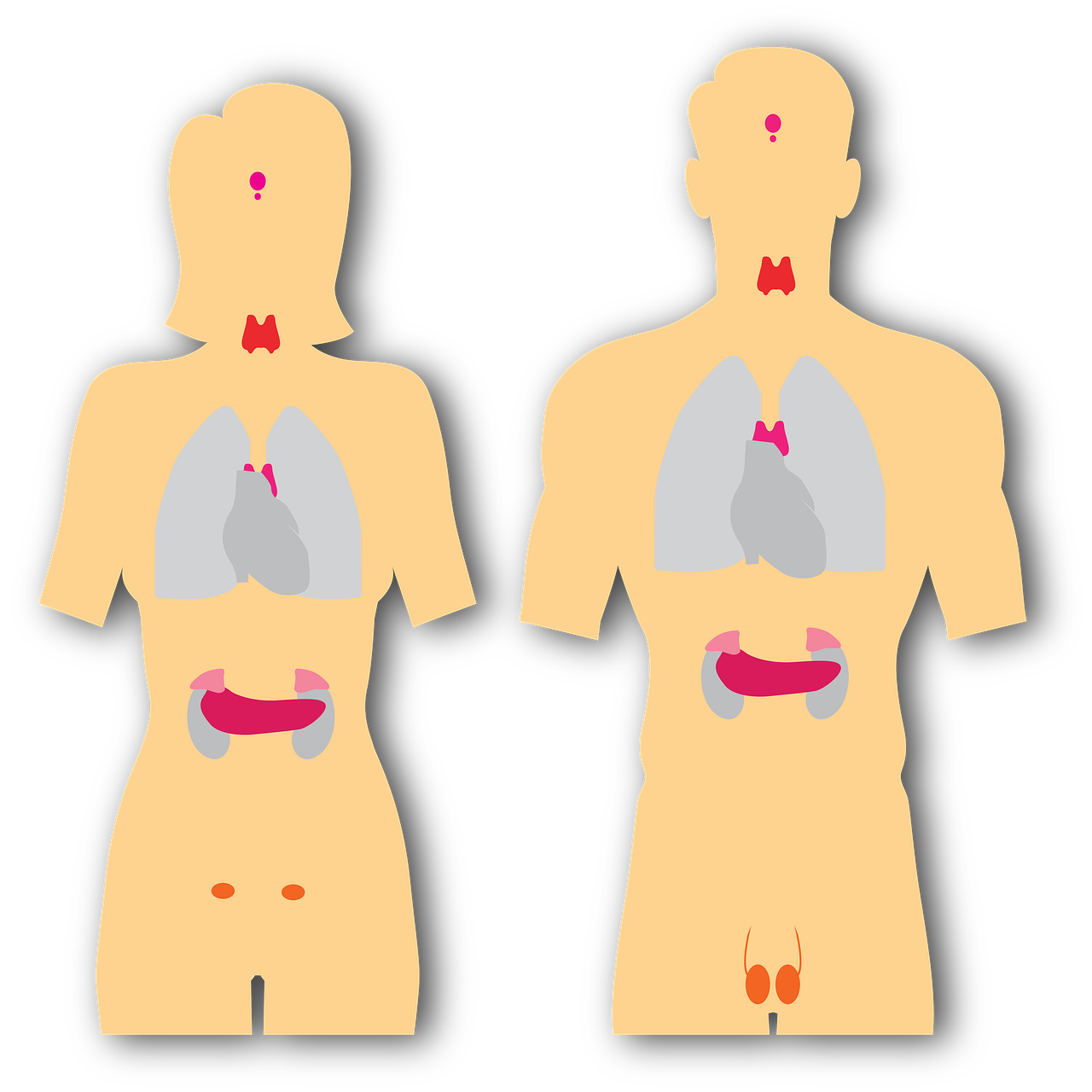
The endocrine system plays a crucial role in the detoxification process by regulating hormone levels that directly influence how toxins are eliminated from the body. This intricate system includes glands such as the pituitary, thyroid, adrenal, and pancreas, all working harmoniously to maintain balance. One of the primary hormones involved in detoxification is cortisol, released by the adrenal glands. Cortisol helps in the metabolism of fats and proteins, aiding the removal of harmful substances. When the endocrine system is functioning optimally, hormones signal the body’s detox organs, such as the liver and kidneys, to work effectively. If hormonal levels are disrupted due to stress or poor diet, detoxification can be hindered. Furthermore, maintaining a balanced diet rich in antioxidants, vitamins, and minerals is essential for hormone production and function, which supports detox pathways. Strategies for supporting the endocrine system include managing stress effectively, engaging in regular physical activity, and ensuring adequate hydration. Overall, understanding the connection between endocrine health and detoxification can lead to better overall well-being.
The liver is known as the body’s primary detoxification organ, but its function is greatly influenced by hormones produced by the endocrine system. For instance, insulin, a hormone produced by the pancreas, regulates glucose levels and fat storage. Excess glucose can lead to fatty liver disease, impacting detoxification. When hormone levels are balanced, the liver can more efficiently process and eliminate toxins. Thyroid hormones also play a vital role in metabolism, affecting how quickly toxins are processed. Hypothyroidism can slow down metabolic processes, leading to the accumulation of harmful substances in the body. Engaging in regular exercise can help stimulate hormone production, particularly testosterone and growth hormone, both of which aid in detoxification. Foods that promote liver health, such as cruciferous vegetables, can be particularly beneficial for supporting hormone function. Incorporating dietary changes alongside lifestyle modifications can optimize both endocrine and detox systems. Additionally, it’s wise to limit exposure to environmental toxins to reduce the burden on the endocrine system, allowing it to perform its necessary detoxification duties effectively.
Components of Effective Detoxification
To achieve effective detoxification, it’s essential to support the endocrine system through various lifestyle choices. Firstly, incorporating a diet rich in fiber helps improve gut health, which is closely tied to hormonal balance. Foods such as whole grains, legumes, fruits, and vegetables can enhance digestive function and promote regular bowel movements, crucial for toxin elimination. Furthermore, hydration is vital; drinking adequate water assists in flushing out toxins and supports kidney function. It is also beneficial to include herbal teas, such as dandelion and milk thistle, known for their detoxifying properties. Regular physical activity not only boosts hormone production but also aids circulation, improving the transport of nutrients necessary for detoxification. Another critical aspect is adequate sleep, which ensures the body repairs and restores itself, maintaining hormonal balance. Stress management techniques like yoga, meditation, or deep breathing exercises can also lower cortisol levels, leading to improved detoxification. By creating a well-rounded approach that addresses various aspects of health, individuals can effectively support their endocrine systems and enhance detoxification, leading to better health outcomes.
Hormonal imbalances can often lead to increased toxicity in the body due to impaired detoxification pathways. For example, disrupted estrogens can contribute to a condition known as estrogen dominance, where the body is unable to eliminate excess estrogens, resulting in toxicity. This may lead to health issues like weight gain, mood disorders, and even certain cancers. Ensuring that estrogen metabolism is functioning well can greatly assist in detoxification. A balanced intake of phytoestrogens from sources like flaxseeds and soy can help modulate estrogen levels effectively. Additionally, managing environmental toxins is critical; they can mimic hormones, disrupting the delicate balance of the endocrine system. Choices like opting for organic foods, using chemical-free personal care products, and reducing plastic exposure can mitigate these effects. Taking proactive steps in clearing these substances from our environment promotes overall hormonal and detoxification health. It’s essential also to address any emotional or mental stressors impacting overall wellness. By prioritizing hormone health and addressing imbalances proactively, individuals can significantly enhance their body’s natural detoxification capabilities.
Testing Hormonal Health
For those concerned about their hormonal health and its impact on detoxification, seeking testing can provide clarity. Several tests can measure hormone levels, including blood, saliva, and urine tests. These tests provide valuable insights into imbalances and may help target specific areas for improvement. Consulting with a healthcare professional or an endocrinologist can help determine the most appropriate tests based on individual symptoms or concerns. Understanding hormone levels related to thyroid function, cortisol production, and reproductive hormones is key in developing a personalized approach to detoxification. Based on test results, professionals can recommend lifestyle changes, dietary modifications, and possible supplementation to rectify imbalances. Additionally, monitoring hormone levels over time can guide adjustments in detox practices, ensuring optimal results. As various factors like stress, diet, and lifestyle choices impact hormone production, continuous assessment helps maintain a healthy endocrine system. For those experiencing symptoms related to hormone imbalance, testing can be a vital step in understanding and improving overall health and detoxification processes.
It’s also important to establish routine habits that support the endocrine system effectively. One such practice is meal timing; studies suggest that eating smaller, more frequent meals can help stabilize hormone levels. This consistent energy supply supports metabolic processes and assists in detoxification by preventing spikes in insulin and cortisol. Coupled with this, adopting an anti-inflammatory diet that emphasizes whole foods can help reduce inflammation linked to hormonal imbalances. Incorporating omega-3 fatty acids, found in fatty fish and flaxseeds, may help regulate hormone production effectively. Additionally, regular exposure to sunlight facilitates vitamin D synthesis, particularly useful for hormonal health. Engaging in social activities can further nurture emotional well-being, which plays a humorous role in stress management communication and overall endocrine balance. Lastly, avoiding fast foods, heavily processed items, and excessive sugar can eliminate unwanted toxins, promoting liver health essential for detoxification. Collectively, these habits create a supportive environment for the endocrine and detox systems, making a substantial difference in your overall hormonal health and vitality.
Conclusion: Embracing Endocrine Health
In conclusion, ensuring the health of the endocrine system is vital for effective detoxification. A harmonious balance of hormones is necessary for the body’s ability to filter and eliminate toxins efficiently. Individuals must understand how interconnected these systems are and proactively work to maintain their well-being. Embracing healthy lifestyle changes, balancing hormones naturally, and reducing toxic load are essential steps in supporting endocrine health. Empowering oneself with knowledge about hormone function can lead to informed decisions regarding health and lifestyle. Promoting regenerative practices like improving dietary choices, managing stress effectively, and prioritizing sleep all contribute positively to both hormonal and detoxification health. Remember that everyone’s journey towards health is unique, and what’s beneficial for one may not apply to another. Seek guidance from trusted professionals, remain patient and committed, as change takes time. By embracing these principles of hormonal health, individuals can embark on a path that not only optimizes their body’s detoxification but dramatically enhances their overall quality of life for years to come.
Finally, adopting a holistic approach towards detoxification and endocrine health goes beyond simple dietary changes. It encompasses a lifestyle shift that promotes long-term health and wellness. Understanding individual needs and challenges plays a crucial role in achieving lasting detox benefits. It’s also essential to celebrate small victories along the way; tracking improvements in mood, energy, and overall health can motivate further positive changes. As individuals strive to embrace healthy hormone levels and effective detoxification strategies, sharing experiences, insights, and successes with others can foster community support and learning. Engaging in discussions around hormonal health can inspire more people to prioritize their well-being. This collective awareness can encourage numerous lifestyle adjustments that not only benefit individual health but also help create a healthier society overall. Promoting education regarding the importance of the endocrine system will empower everyone to take charge of their hormonal health. Lastly, commitment to ongoing learning and adaptation is pivotal, as the journey to detoxification and health is a continuous process. With consistent effort and a positive attitude, everyone can thrive in their pursuit of wellness.