
The Connection Between Exercise, Gut Microbiota, and Immunity
Exercise science has gained significant recognition as it explores the intricate relationship between physical activity and various bodily systems. One fascinating area of interest is the connection between exercise, gut microbiota, and immunity. Researchers have found that engaging in regular physical activity can lead to beneficial changes in gut microbiota composition. The gut microbiota consists of trillions of microorganisms that play a crucial role in our immune system. When we exercise, the diversity of these bacteria increases, which is essential for maintaining a strong immune defense. Furthermore, enhanced microbial diversity can lead to improved metabolic health and lower levels of inflammation. It is also important to consider the types of exercise that yield the most significant effects on gut health. Aerobic exercises, such as running or cycling, seem to be particularly beneficial. These types of workouts encourage the production of short-chain fatty acids, which promote gut health and support immune function. Additionally, the overall lifestyle that accompanies regular exercise, including diet and sleep patterns, contributes significantly. Understanding these connections can lead to enhanced health measures for the population and better preventive strategies against various diseases.
Understanding Gut Microbiota
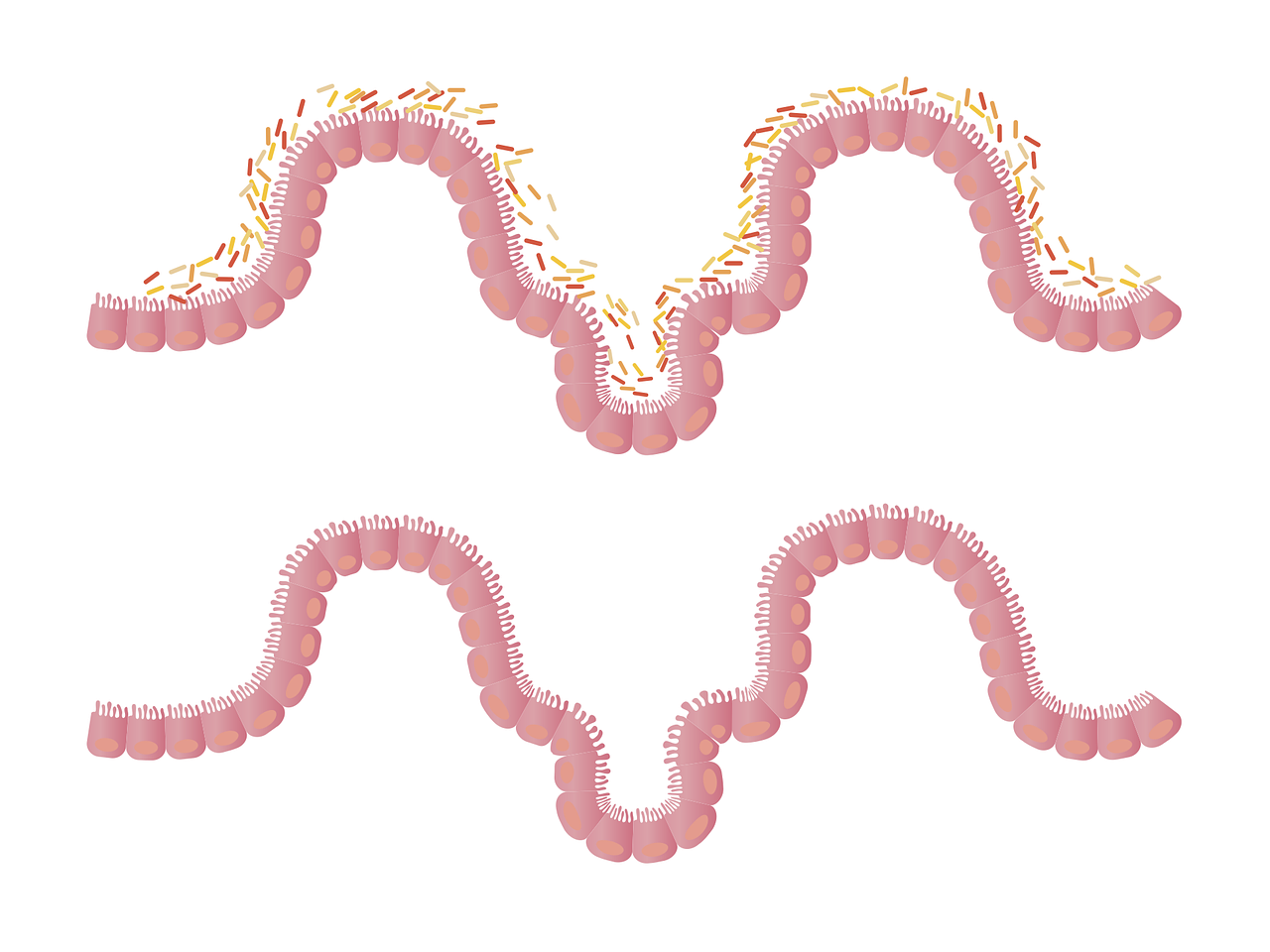
The gut microbiota is a complex ecosystem composed of various microorganisms, including bacteria, viruses, fungi, and archaea, residing in our intestines. This unique community plays a critical role in numerous physiological and metabolic processes, influencing not just digestion but also the immune system’s functioning. A balanced gut microbiota is crucial for overall health, as it helps in the production of essential vitamins, absorption of nutrients, and regulation of metabolism. Disruption of this delicate balance can lead to various health issues, including obesity, diabetes, and inflammatory diseases. Recent studies indicate that the composition of gut microbiota can be influenced by various factors, such as diet, age, medication, and even physical activity. Regular exercise positively impacts these microbial communities. By increasing microbial diversity and promoting the growth of beneficial bacteria, exercise strengthens our body’s defenses against pathogens and diseases. This interaction between exercise and gut health reflects the importance of an active lifestyle. Maintaining a well-functioning microbiota through exercise can lead to enhanced immune responses, better metabolism, and a reduction in chronic inflammation, ultimately contributing to improved overall health.
The role of exercise in enhancing immunity cannot be overstated. Moderate physical activity has been shown to provide significant benefits to the immune system, boosting its ability to fend off infections and diseases. The immune system becomes more vigilant and responsive after engaging in regular physical activity. Moreover, the physiological changes induced by exercise, such as improved circulation and increased heart rate, facilitate the efficient distribution of immune cells throughout the body. These immune cells, including T lymphocytes and natural killer cells, are essential for identifying and fighting off pathogens. Moreover, the release of certain hormones during exercise, such as adrenaline and cortisol, plays a role in modulating immune responses. These effects contribute to a more robust defense mechanism. However, it’s essential to strike a balance, as excessive exercise can lead to a state of overtraining and reduced immunity. A moderate exercise regimen can be ideal for maintaining optimal immune health, as it balances the positive effects of physical activity without overstraining the body. Incorporating various forms of activities, including strength training and cardio, can also enhance immunity.
Mechanisms Linking Exercise and Immunity
The mechanisms linking exercise to improved immunity involve various interconnected physiological changes. Firstly, physical activity promotes better blood circulation, which enhances the transport of immune cells to tissues throughout the body. This increased circulation facilitates faster responses to infections and improves overall immune surveillance. Secondly, exercise induces the release of certain immune-boosting substances, such as cytokines and antibodies, which play critical roles in immune function. Specific types of exercise may trigger the production of anti-inflammatory cytokines, which further support immune health by reducing chronic inflammation. Additionally, exercise can lead to the modulation of gut microbiota, fostering a beneficial environment that enhances immune responses. Short-chain fatty acids, produced during exercise-induced fermentation, are vital for maintaining gut health and, consequently, a robust immune system. Regular physical activity can also prevent obesity, a risk factor for immune dysfunction and chronic diseases. Thus, understanding these mechanisms aids in appreciating the holistic benefits of exercise on immune health. Incorporating varied physical activity into daily life can lead to significant improvements in both gut microbiota and immune system functioning, ultimately promoting lifelong health and well-being.
The relationship between exercise, gut microbiota, and immunity is a fundamental aspect of exercise science worth exploring further. For those engaged in athletic training, understanding this connection is vital not only for enhancing performance but also for preventing illness. During a consistent exercise routine, the positive influence on gut microbiota and overall health becomes evident. Athletes often pay careful attention to their diets, but the impact of exercise on gut health should not be overlooked. As athletes adapt to training regimens, their microbiota also evolves. This evolution can aid in nutrient absorption, reducing the risk of gastrointestinal discomfort often common among athletes. Furthermore, athletes have been shown to exhibit higher microbial diversity, which correlates with improved immune responses. However, athletes who overtrain without allowing recovery time may not experience these benefits. It becomes essential to prioritize rest and recovery alongside a balanced diet and functional movement practices. By maintaining this balance, athletes can optimize their gut microbiome, thereby supporting their immune systems and enhancing athletic performance. Future research in this area continues to reveal new insights relevant to both athletes and the general population.
Implications for Public Health
The implications of the connection between exercise, gut microbiota, and immunity extend beyond individual well-being to public health as a whole. Promoting regular physical activity is vital in preventing a multitude of health issues. With the prevalence of sedentary lifestyles and associated diseases, it is crucial to develop strategies to encourage exercise as a cornerstone of healthy living. Community-based programs may raise awareness of the benefits of physical activity not only for physical fitness but also for gut health and immunity. Moreover, public health campaigns can educate populations on the significance of a balanced diet alongside regular exercise to optimize gut microbiota. Food choices can influence gut health significantly, and when combined with exercise, they yield profound effects on immune function. Integrating education on these topics in schools and workplaces can foster healthier habits among individuals. As research reveals more about the interconnections between these areas, healthcare professionals can guide patients towards tailored lifestyle interventions. Enhancing both physical activity and nutrition holds promise for reducing healthcare costs, improving quality of life, and promoting longevity across populations nationwide.
Research continues to evolve, unveiling more about the beneficial link between exercise, gut microbiota, and immune responses. It is evident that integrating exercise into daily routines positively influences both physical and mental health. For individuals, knowing that simple adjustments to physical activity levels can significantly improve gut health and immune function may encourage a more active lifestyle. Given the growing body of evidence supporting this connection, it’s essential to promote exercise as a non-pharmaceutical intervention for boosting immunity and gut health. Both healthcare providers and individuals can benefit from increased awareness of these connections and their practical applications in achieving optimal health outcomes. Communities should champion initiatives that promote physical activities at varying intensities suitable for all demographics. The role of exercise science in determining effective strategies for enhancing immunity through physical activity is undoubtedly crucial. Moving forward, collaborative research involving exercise scientists, nutritionists, and healthcare professionals will deepen our understanding of these relationships. This holistic approach is vital for addressing modern health challenges, providing insights that inspire healthier patterns in communities worldwide, and ultimately enhancing health and wellness on a broader scale.