
Vitamin E and Skin Protection Against UV Damage
Vitamin E is a crucial nutrient renowned for its antioxidant properties. Its role in skin health is multifaceted, particularly in protecting against UV damage. UV rays from the sun can lead to oxidative stress in the skin, resulting in premature aging, sunburn, and even skin cancer. As a fat-soluble vitamin, vitamin E plays a protective role in cell membranes, inhibiting the oxidative processes that can harm skin cells. When applied topically, vitamin E can enhance the skin’s natural barrier, reducing moisture loss and maintaining hydration. Additionally, dietary sources of vitamin E, such as nuts, seeds, and green leafy vegetables, contribute effectively to skin protection. It is important to note that while vitamin E can provide benefits, it should be used in conjunction with other protective measures, such as sunscreen. Consuming vitamin E-rich foods can also support skin health from within. Furthermore, studies have shown that a combination of topical agents containing vitamin E and other antioxidants can significantly boost the skin’s resistance to UV damage. Therefore, a holistic approach to skin health should incorporate vitamin E for optimal protection.
Research indicates that vitamin E possesses unique properties that shield the skin from harmful UV rays. The vitamin acts not only as an antioxidant but also aids in reducing inflammation after sun exposure. This dual action can help minimize the visible impacts that UV rays can have, including redness, swelling, and peeling. Moreover, vitamin E helps prevent UV-induced skin damage by neutralizing free radicals that are generated upon UV irradiation. Free radicals can lead to cellular damage, and limiting their effects is paramount for maintaining healthy skin. Regular intake of vitamin E, whether through supplements or diet, results in better skin resilience when faced with sun exposure and can prolong the youthfulness of the skin. While vitamin E is beneficial, it is not a substitute for proper sun protection methods such as the use of sunscreen and protective clothing. Consulting with a healthcare provider before beginning supplementation is wise, as individual needs may vary, and excessive intake can have side effects. Thus, it is best to approach vitamin E supplementation cautiously, ensuring that it complements a balanced diet rich in antioxidants to support overall skin health.
Mechanism of Action
Vitamin E’s protective mechanism revolves around its ability to stabilize cellular membranes and prevent lipid peroxidation, a process where free radicals damage cell components. When the skin is exposed to UV radiation, it generates free radicals that can attack skin cells, leading to sunburn and long-term cellular damage. Supplementing with vitamin E assists in quenching these free radicals, thus neutralizing their harmful effects on skin tissues. Notably, vitamin E forms a defense against the inflammatory responses elicited by sun exposure. This includes reducing the levels of inflammatory markers in the skin, resulting in less redness and discomfort. Moreover, vitamin E’s incorporation into topical formulations enhances its efficacy, as it increases skin hydration and acts as a barrier against moisture loss. This is particularly important when dealing with sun-damaged skin. Since UV exposure often disrupts the skin barrier, vitamin E helps restore and maintain its integrity while promoting healing. Overall, understanding the mechanisms through which vitamin E operates reinforces its significance in skincare routines, especially for individuals frequently exposed to UV damage due to outdoor activities.
Studies have increasingly focused on the synergistic effects of vitamin E with other antioxidants in protecting the skin. When combined with substances like vitamin C, these antioxidants can work in unison to provide enhanced photoprotection. Vitamin C, a water-soluble antioxidant, complements the lipid-soluble vitamin E, improving the overall protective network against UV rays and oxidative stress. Applying formulations containing both vitamins can result in greater efficacy than using either nutrient alone. This synergy can lead to a reduced incidence of sunburn and photodamage, highlighting the importance of a holistic approach to skin protection. Furthermore, the overall health benefits of combining antioxidants are widely recognized, fostering improved skin appearance, elasticity, and firmness. As the demand for effective skincare products grows, manufacturers are increasingly incorporating this knowledge into their formulations, creating products that target sun damage while nourishing and repairing the skin. Selecting skincare products with a robust combination of ingredients can lead to better outcomes for skin health. This strategic integration emphasizes the necessity of understanding how different nutrients work together to offer optimal skin protection against day-to-day environmental stressors.
Dietary Sources
Incorporating dietary sources of vitamin E into your diet is essential for skin protection. Foods such as almonds, sunflower seeds, and spinach are excellent sources rich in this nutrient. Including these foods can not only improve skin health but also boost overall well-being. A handful of almonds can provide a significant amount of the recommended daily intake of vitamin E. Additionally, avocados and olive oil are also beneficial as they are rich in healthy fats improve nutrient absorption. It’s important to consider that whole foods offer a complex array of nutrients that often work synergistically, enhancing the efficacy of vitamin E. For individuals looking to maximize skin health, consuming a diverse and colorful diet is vital. Incorporating fruits like kiwi and berries, which are high in vitamin C, can further amplify the effects of vitamin E. This balanced approach to nutrition supports skin resilience not only from sun exposure but also from daily environmental aggressors. However, food alone may not suffice for everyone, making supplementation a viable option under guidance from health professionals for those deficient in vitamin E.
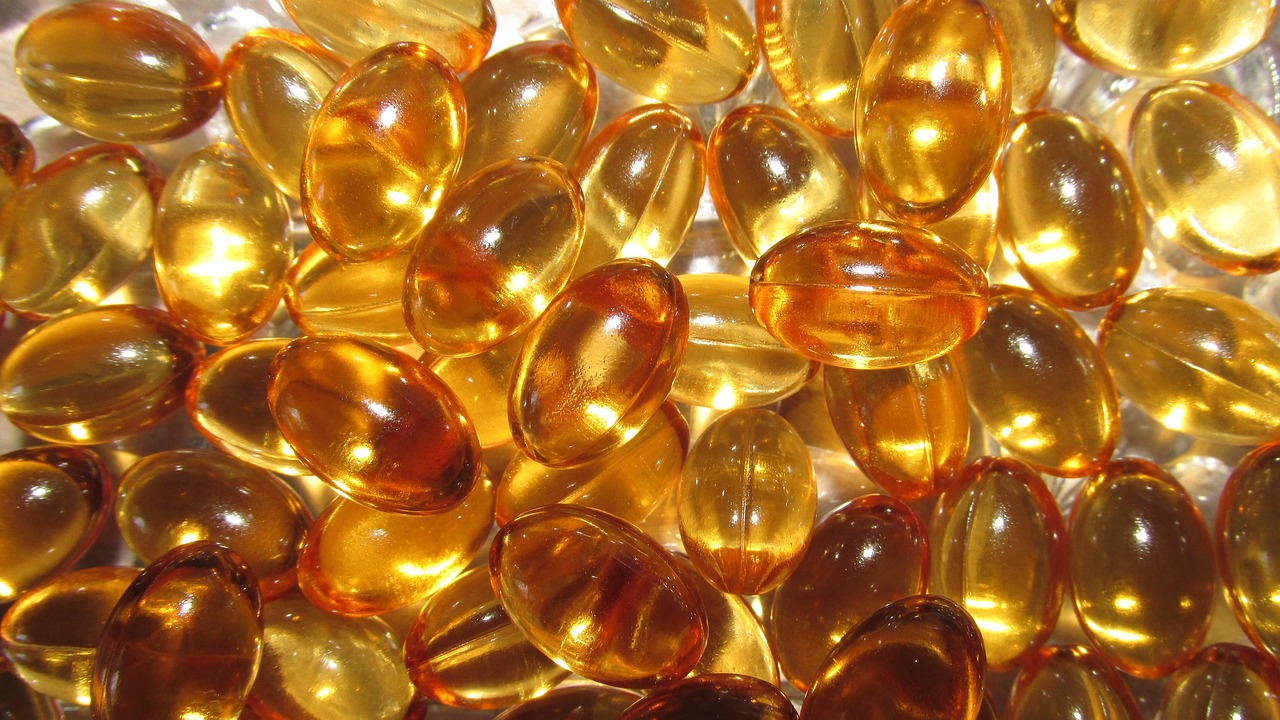
When considering vitamin E supplements, it’s imperative to choose high-quality products that provide effective dosages. Vitamin E supplements are available as natural or synthetic forms, with natural forms being more bioavailable. For skin protection, a focus on balanced dosages is essential to avoid excess intake that could lead to adverse effects. Recommendations generally suggest a daily intake of approximately 15 mg for adults, but specific needs may vary based on individual lifestyles, health conditions, and dietary habits. Consulting a healthcare provider can guide the appropriate types and amounts of vitamin E to support skin health effectively. Additionally, some formulations combine vitamin E with other skincare ingredients, which can enhance delivery systems and improve efficiency. One proactive way to protect the skin is maintaining consistent intake over time as vitamins build up in the body. Regular supplementation can establish a foundation that improves overall skin resilience. Furthermore, those who engage in outdoor activities or have increased sun exposure may benefit from higher doses. Therefore, understanding one’s unique needs and circumstances is essential for effectively utilizing vitamin E in skin protection strategies.
Conclusion
In summary, vitamin E is a potent ally in protecting skin from UV damage. Its antioxidant properties, coupled with anti-inflammatory effects, make it an invaluable aspect of any skincare and dietary regimen focused on sun protection. Incorporating vitamin E-rich foods into the diet lays a foundation for healthy skin, while supplementation may support individuals with increased needs due to lifestyle or environmental factors. Additionally, combining vitamin E with other antioxidants provides a synergistic approach that enhances overall skin defense against sun-related issues. This detailed understanding of how vitamin E operates can empower individuals to make informed decisions regarding their skincare routines and dietary choices. As the skin faces constant environmental stressors, prioritizing vitamins that promote skin health becomes crucial. Sufficient intake of vitamin E, whether via diet or supplements, should be integrated with other healthy habits, including sun protection and hydration, for best results. By embracing a holistic approach towards skin health, individuals may enhance their skin’s resilience, allowing them to enjoy the sun while minimizing potential damage.
Furthermore, it is essential to regularly review and adjust vitamin E intake as health needs evolve. Advances in skincare formulations continually offer new methods of integrating vital nutrients into daily routines. Awareness of individual skin types and their responses to various supplements can lead to tailored approaches that effectively enhance the skin barrier against UV damage. Developing a personalized skincare strategy using vitamin E may involve considering lifestyle factors, including diet, sun exposure, and skincare rituals. Engaging with healthcare professionals ensures that individuals are taking an educated approach to supplementation and proper skincare practices. In contrast, some may also benefit from dermatological consultations to receive personalized recommendations on how best to incorporate vitamin E into their routines. The ultimate goal is to achieve healthy, radiant skin capable of enduring environmental stressors. Staying informed about the latest research on antioxidants and skin health can also guide lifelong practices. Integrating vitamin E thoughtfully can enhance not just skin appearance and texture, but overall wellness through its multi-faceted health benefits. Embrace a holistic philosophy toward skincare; prioritize protection with vitamin E as a cornerstone ingredient.