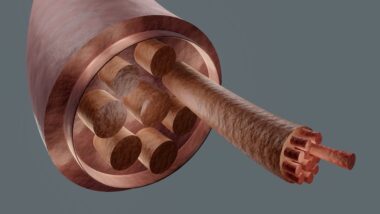

Understanding Muscle Groups: A Beginner’s Guide
When embarking on a muscle-building journey, understanding the various muscle groups is crucial. This knowledge will not only enhance your workout efficiency but also minimize the risk of injuries. Each muscle group plays a unique role in the body, contributing to overall strength and aesthetics. To effectively build muscles, one must not only focus on what exercises to perform, but also on which muscle groups they target. By engaging in a balanced routine that incorporates upper body, lower body, and core exercises, individuals can create a comprehensive program to develop strength. The major muscle groups typically include the pectorals, back, shoulders, arms, legs, and core. Isolating and targeting specific groups ensures that all areas of the body receive attention, leading to well-rounded development. Understanding muscle functions and the best exercises for each group aids in making informed decisions. Moreover, knowing the muscle anatomy can also boost motivation. So, let’s dive deeper into the individual muscle groups involved in muscle building, focusing on how they interact and the balance needed for optimal results.
The Major Muscle Groups
In the quest for muscle building, recognizing major muscle groups is essential. These groups consist of multiple muscles that work in unison to create movement and strength. The primary muscle groups include:
- Pectorals: Located in the chest, responsible for pushing movements.
- Latissimus Dorsi: The wide back muscle, crucial for pull movements.
- Deltoids: Shoulder muscles that assist in arm elevation.
- Biceps: Located in the upper arms, important for flexion.
- Triceps: The back of the upper arms, key for extension.
- Quadriceps: Thigh muscles involved in leg extension.
- Hamstrings: Back thigh muscles aiding in knee flexion.
- Calves: Lower leg muscles that assist in walking and running.
- Abdominals: Core muscles essential for movement stability.
Understanding each of these groups will enable you to create a balanced workout plan that targets all essential areas.
Next, let’s explore how muscle groups function during workouts. Each muscle group can be trained using specific exercises designed to maximize strength and size. Understanding the anatomy and mechanics of these muscles can help in designing an effective workout routine. For example, while performing a bench press, the pectorals are the prime movers, but the triceps and shoulders also contribute significantly. Hence, isolating muscle groups improves training outcomes, enabling you to maximize gains effectively. Additionally, multi-joint movements, like squats or deadlifts, activate various muscle groups, promoting overall development. Understanding which muscles are engaged during exercises helps you know when to rest or when to push harder. This technique ensures muscle growth without overtraining, which can hinder progress. Furthermore, knowing the importance of both compound and isolation exercises can be a game changer. Utilizing a mix of both can lead to comprehensive muscle development and enhance strength levels overall. As we proceed, we’ll delve into effective strategies to train these muscle groups systematically and efficiently for maximum benefit.
Importance of Compound Exercises
In any muscle-building routine, compound exercises should be a priority. These exercises engage multiple joints and muscle groups, making them efficient and effective. Examples include the squat, deadlift, and bench press. Compound movements allow for heavier weights and more significant muscle stimulation compared to isolation exercises. In addition to improving strength, these exercises enhance coordination and stability. When you perform a compound exercise, your body works as a cohesive unit, promoting functional strength that translates well to everyday activities. The increased energy expenditure during compound exercises also aids in fat loss, enhancing your physique. Moreover, they play a significant role in building strength for athletes or fitness enthusiasts. To achieve optimal results, focus on mastering your form before you increase weights. Engaging proper technique reduces injury risk and ensures better engagement of the target muscles, leading to significant gains in muscle growth and strength. Planning your workouts to include a variety of compound movements ensures that you’re not only building muscle but reaping the functional benefits of a comprehensive program. Understanding their significance is vital for anyone serious about muscle building.
In conjunction with compound exercises, isolation exercises target individual muscles for refined growth and definition. These exercises are essential for addressing weaknesses or developing specific muscle areas. Typically, they involve movements that isolate a single joint or muscle group. For instance, bicep curls specifically target the biceps, while leg extensions focus on the quadriceps. Integrating isolation exercises into a workout routine allows for balanced muscle development and increases the aesthetic appeal of the physique. They’re particularly valuable for bodybuilders or those seeking detailed muscle aesthetics. Working on specific weaknesses improves overall athletic performance and helps in creating symmetry in muscle appearance. Furthermore, isolation techniques can enhance muscle endurance and contribute to hypertrophy when performed within a structured training plan. Alternating between compound and isolation exercises provides a well-rounded approach to strength and muscle building. This combined strategy helps to optimize each muscle group’s potential, thus leading to effective workouts tailored for individual goals. Understanding when to incorporate these exercises provides a clearer path for reaching your fitness objectives.
Recovery and Muscle Building
Recovery plays a pivotal role in muscle building. While intensive workouts stimulate muscle growth, rest and recovery are equally crucial for progress. Muscles undergo repair during recovery, leading to increased strength and size. Not allowing adequate recovery can result in fatigue, overtraining, and suboptimal outcomes. Understanding the balance between workout intensity and recovery periods enhances long-term muscle gains. Ideally, a well-structured routine incorporates rest days and lighter workout weeks to facilitate recovery. Sleep is also instrumental; growth hormone levels peak during sleep, aiding muscle repair. Nutrition significantly impacts recovery as well. Ensuring adequate protein intake supports muscle healing and growth. Furthermore, staying hydrated promotes optimal recovery and performance during workouts. Incorporating stretches or low-intensity exercises during rest days can enhance blood flow, accelerating recovery. It’s essential to listen to your body to recognize signs of fatigue or overtraining. This awareness aids in adjusting your training program to prioritize recovery when necessary. Understanding recovery is not just about inactivity; it’s about fostering an environment conducive to growth and strength enhancement. Balancing training and recovery strategies unlocks optimal muscle building potential.
Finally, tracking your progress throughout your muscle-building journey is indispensable. Maintaining a training log that records exercises, weights, and repetitions can provide insights into your growth and performance. This data allows you to identify patterns and adjust your program if certain muscle groups lag. Additionally, regular assessments of body measurements and visual progress can be motivating, reinforcing your commitment to your goals. Many people also find it beneficial to set specific, measurable goals to maintain motivation. This could be increasing weights lifted, achieving a certain number of repetitions, or focusing on specific muscle group aesthetics. Technology also offers various tools, such as fitness apps, to assist in tracking workouts. These apps often come with community features that allow for sharing breakthroughs. Engaging with a supportive community can provide accountability and encouragement. As you document your progress, remain flexible and open to adapting your goals based on your evolving fitness journey. Consistency and perseverance are key aspects of achieving muscle-building success. Ultimately, your dedication and understanding of muscle groups will fuel your ambitions in muscle growth.