
Safety Tips When Using Mobility Equipment for Workouts
When engaging in workouts with mobility equipment, ensuring safety is paramount. Before starting any exercise routine, familiarize yourself with the equipment you will be using. Whether it’s resistance bands, balance boards, or mobility scooters, understanding their unique features will help you avoid potential hazards. Look for instructional videos or manuals for guidance on proper setup and usage. Always check the equipment for any signs of wear or tear, as faulty equipment can lead to accidents during workouts. Additionally, consider the workout environment: ensuring the floor is clean and free of obstacles is essential. This will help maintain balance and prevent slips or falls. Pre-workout warm-ups and stretches are also vital, as they prepare your body for movement and increase flexibility. Invest in a good pair of supportive shoes to maintain proper body alignment and reduce the risk of injury. Hydration is important too; keep a water bottle within reach to stay hydrated throughout your session. Finally, listen to your body and take breaks as needed, especially when using challenging equipment. Rest is crucial for long-term fitness success.
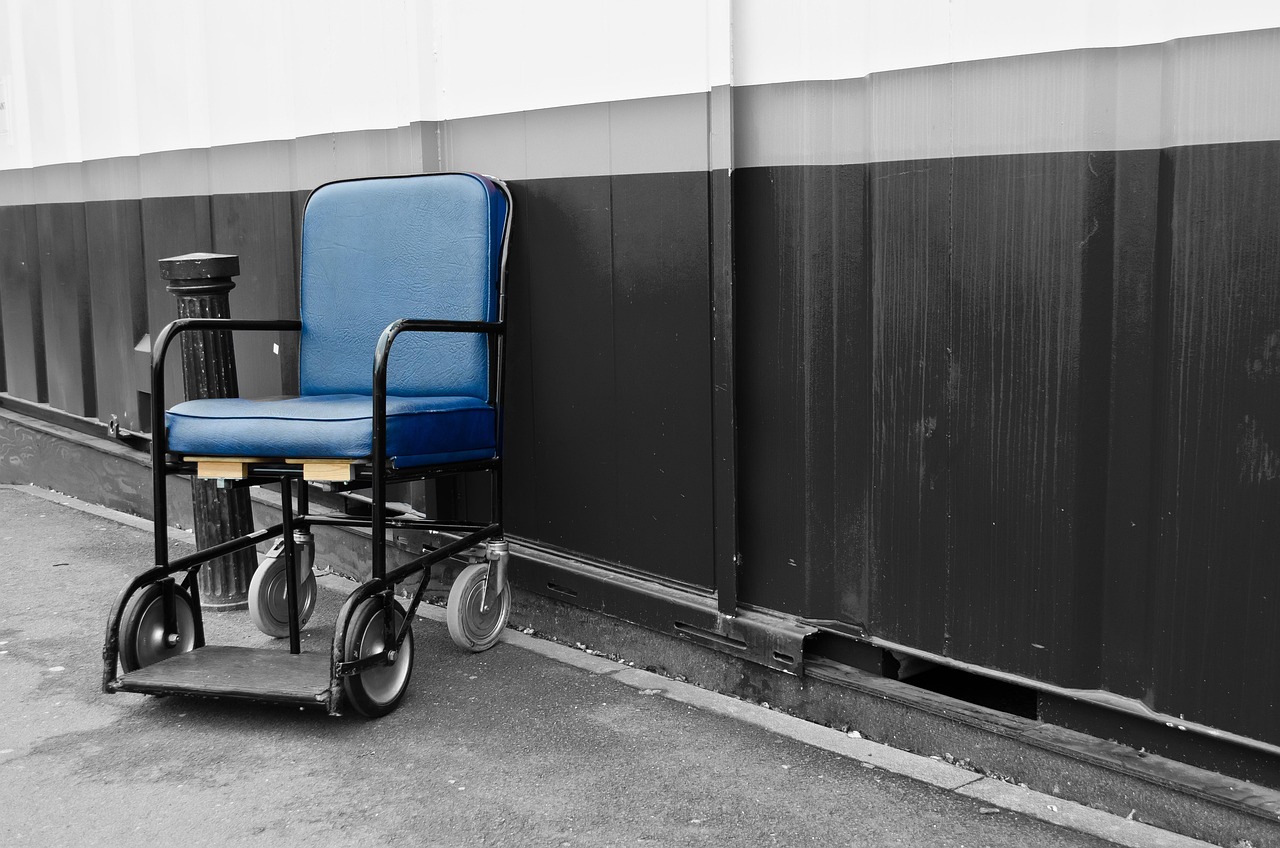
Another essential safety aspect is the usage of equipment within a suitable fitness area. Ensure your workout space is adequately sized, allowing you to move freely without bumping into walls or other objects. This is particularly critical when using large mobility devices requiring more space for maneuvering. Mark designated workout areas clearly if shared with others to minimize potential hazards. Non-slip mats can be beneficial to reduce the risk of falls. When using equipment like wheelchairs or mobility scooters, always double-check that they are in good working condition. Maintain the tires, brakes, and any electronic components, ensuring everything functions correctly before starting your routine. As you begin your workout, it’s important to progress gradually. Avoid overexertion and ensure proper supervision if using equipment for rehabilitation or if you’re new to workouts. If you experience discomfort or pain, stop exercising and reassess your technique. Learning the correct posture is crucial, especially for equipment that lends itself to potential strain on the back or joints. Consider consulting a trainer or physical therapist if unsure about proper technique.
Understanding Common Mobility Equipment
Various mobility equipment types enhance workout activities, each designed with specific features to assist users effectively. Resistance bands, for example, are lightweight, easy to use, and perfect for stretching and strength training exercises. When using bands, ensure they’re securely anchored to avoid snaps or recoil during workouts. Moreover, seated massage rollers can help alleviate muscle tension and improve flexibility after a workout, but ensure you use them correctly to prevent injury. Stability balls are another popular option; however, they require balance and proper inflation, so check firmness before use. When working with a balance board, focus on maintaining alignment and posture while gradually increasing the difficulty level with practice. Mobility scooters provide a unique method of engaging in low-impact activities, ensuring you remain active without overexerting yourself. Before using a scooter, familiarize yourself with turning and stopping techniques. Always push your limits slightly, but remember, safety should be your primary concern. Understanding how each piece of equipment operates and its intended benefits will enhance your workout experience. Regularly review and adapt your workouts for continued safety and effectiveness.
Additionally, incorporating rest days into your routine is essential for recovery, particularly when engaging with mobility equipment. Your muscles need time to repair and strengthen after workouts. Ensuring adequate recovery can help avoid overuse injuries that often arise from not allowing the body to rest. Take note of any persistent discomfort and address it immediately; consulting with a health professional is advisable if pain lingers. Incorporating low-impact exercises on off days can still keep you active without straining your body. Activities like gentle yoga or Pilates can improve flexibility and promote muscle recovery. Using foam rollers or massage balls after workouts can also relieve muscle tension and enhance circulation, optimizing recovery. Always stretch post-workout to improve muscle elasticity and reduce soreness in the following days. Furthermore, maintaining a balanced diet rich in protein and nutrients supports muscle recovery. Staying aware of your body’s condition and needs is invaluable to prevent injuries while utilizing mobility equipment. Establishing a consistent routine tailored to your needs is reminiscent of building a strong foundation for any fitness journey.
Monitoring Your Progress
As you progress in your workouts utilizing mobility equipment, keeping track of your advancements is vital. Documenting your workout sessions can motivate you and provide insight into your progress over time. Consider recording how many repetitions, sets, or duration exercises are performed, and make notes on how you felt during each workout. This habit allows you to recognize areas that pertain to improvement. Setting achievable goals will encourage consistency and dedication, while also highlighting the strides you make. Break your goals into smaller steps, gradually increasing difficulty levels as you gain confidence and strength. Celebrate each accomplishment, no matter how minor, to reinforce positive behavior patterns. Regular evaluations can help address any issues with technique or equipment usage you might be unaware of. Additionally, seeking feedback from professionals like trainers can help ensure you remain on the right path. Joining a workout group or community for shared experiences may enhance motivation and lessons learned from others. Emphasize that fitness is a journey; remain adaptable to changes and challenges in your routine while emphasizing equipment safety practices.
Furthermore, educating yourself about the types of injuries associated with mobility equipment can provide foresight into preventing accidents. Awareness of issues like strains, sprains, or falls plays a significant role in maintaining safe practices during workouts. Recognizing your limitations helps avoid pushing too hard, emphasizing the importance of proper technique over mere performance. Consult reliable sources or professionals to understand injury prevention better. Recovery techniques, including ice therapy, compression, and elevation, should be considered in case of injury. Knowing when and how to implement these methods will foster quicker recovery times. Additionally, not mobilizing until injuries have healed, or symptoms reduce is vital for optimal recovery. Look into warm-up and cooldown routines designed for mobility equipment usage to further support injury prevention. Advocating for your safety by creating a supportive workout environment not only improves personal safety but also builds community awareness. Regularly sharing knowledge about equipment safety within fitness groups encourages a collective focus on injury prevention.
Conclusion
In conclusion, adopting safety practices during workouts with mobility equipment is crucial for achieving fitness goals effectively. The initial emphasis should be on understanding how to use equipment correctly, ensuring it is safe to operate, and preparing yourself adequately through warm-ups. Consistently monitoring your form and technique will prevent injuries and muscle strains over time. Equally important is the acknowledgment of the need for recovery, allowing your body to adapt and grow stronger after each workout session. Building supportive relationships with professionals or fellow fitness enthusiasts can drive motivation and facilitate learning opportunities. Always remember to listen to your body and accommodate your routines to reflect its needs. As you embrace your fitness journey with mobility equipment, stay adaptable and resilient in coping with challenges. This balanced approach will cultivate a safe and effective workout environment, leading to long-term health benefits. Regularly reassessing your progress and enhancing your practices will sustain motivation and make your fitness journey more rewarding. Prioritize safety and well-being above all; this will set a solid foundation for your future fitness aspirations.
By sharing this knowledge and safety tips, you not only enhance your workout experience but also contribute positively to the fitness community. Remember, your safety and health should always be a priority, not just for yourself but for those around you as well. Engage in conversations about safety tips with fellow workout enthusiasts and share your experiences, seeking collective improvement within your fitness group. Emphasizing the importance of maintaining fitness equipment appropriately can reduce the risk of injuries experienced by people new to such equipment. Lead by example, promoting best practices for safe workouts within your community, setting the stage for discussions that can enhance overall safety awareness. Develop a routine that includes all the critical safety aspects discussed in this article. Your daily commitment to safety can ultimately lead to promoting a culture of health across your fitness journeys. Within this community, everyone can contribute to maintaining an encouraging and safe environment. By prioritizing safety at every level, we can create spaces where everyone feels welcome and motivated to pursue their fitness goals, irrespective of their starting point or experience.