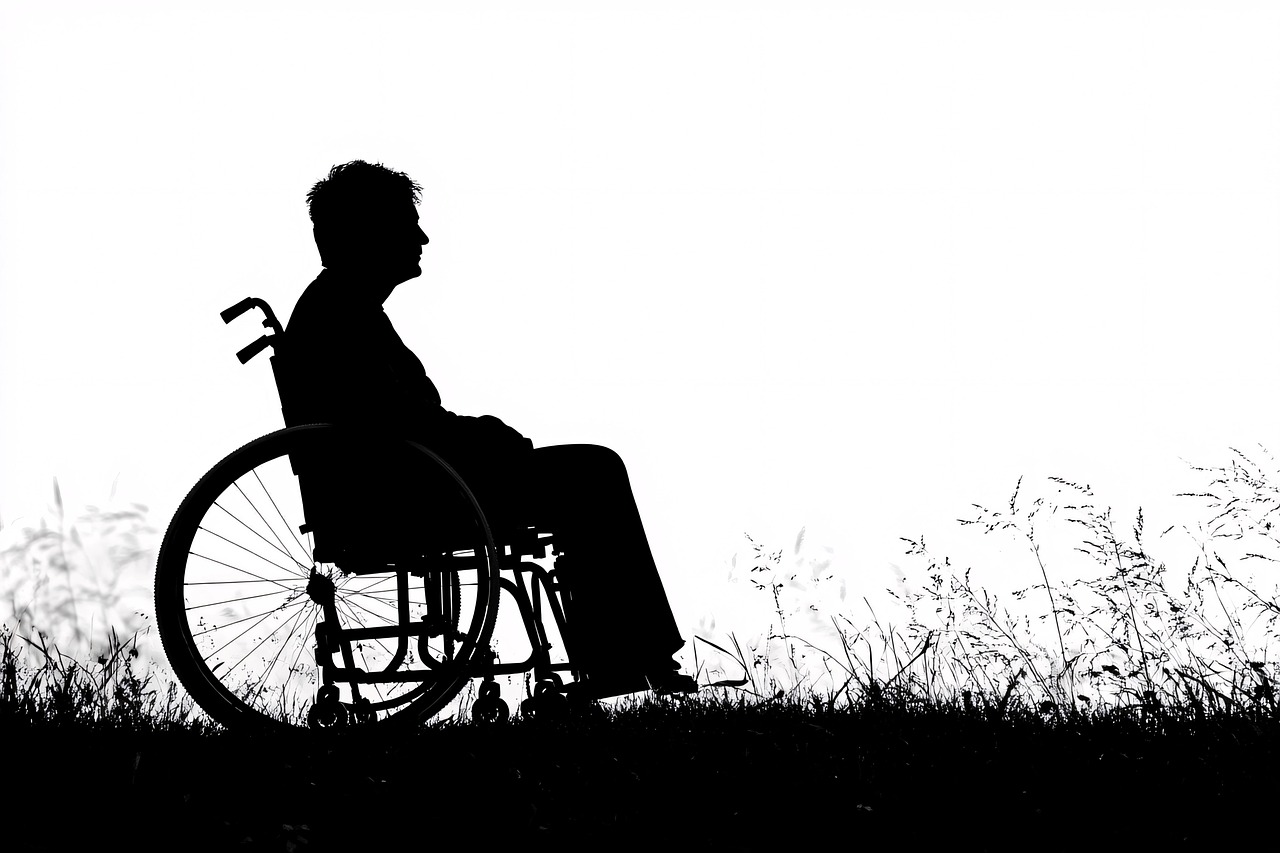

How Social Networks Improve Fitness Outcomes for Individuals with Disabilities
Social networks play a crucial role in fostering an enhanced quality of life for individuals with disabilities, particularly regarding adaptive fitness. These networks provide emotional support, encouragement, and motivation, significantly impacting fitness outcomes. When individuals with disabilities engage with supportive social circles, they are more likely to participate in various physical activities that suit their abilities. This participation is vital for maintaining physical health, enhancing strength, and improving overall well-being. Beyond physical benefits, social support can also alleviate feelings of isolation and loneliness that many individuals face. Strong social connections can vastly improve self-esteem, promoting a positive mindset towards exercise. Furthermore, support from peers encourages individuals to set and achieve fitness goals that may seem challenging at first. Collaborating with friends or family can turn workouts into enjoyable experiences rather than burdensome tasks. Through these partnerships, individuals experience a sense of accountability and shared success. Ultimately, social networks not only assist with mental health but also lead to more consistent participation in fitness programs tailored to diverse needs. This holistic approach is essential in ensuring effective adaptive fitness for individuals with disabilities.
One significant aspect of social support in adaptive fitness involves the creation of inclusive communities that encourage participation. These communities can provide accessible resources, events, and programs tailored specifically for individuals with disabilities. Inclusion fosters a sense of belonging and motivation, making it easier for individuals to engage in fitness activities alongside peers. When individuals feel accepted and valued, they are more likely to overcome barriers that may otherwise hinder their fitness journey. These networks often champion accessible physical activities, ensuring everyone feels welcome, regardless of their mobility or fitness level. Local organizations play a crucial role in establishing initiatives that focus on socialization and fitness together. For instance, activities tailored for wheelchair users, deaf individuals or those with intellectual disabilities are important to maximize participation. Third-party organizations can collaborate with community centers or sports clubs to provide training and resources for coaches who need education to support adaptive fitness. This collaboration enriches the experience for disabled individuals by creating a culture that celebrates diversity and abilities. In short, inclusive communities help individuals overcome social and physical barriers, promoting better fitness outcomes and strengthening relationships.
In addition to community support, familial encouragement is crucial for success in fitness. Family members often serve as the primary support system for individuals with disabilities, offering both emotional and practical assistance. They can play an integral role by participating in physical activities together, providing companionship that enhances motivation and enjoyment. Families can engage in various adaptable sports, ranging from swimming and cycling to yoga sessions or simply walking in parks. When family members actively participate, it demonstrates a commitment to embracing fitness as a lifestyle, sparking enthusiasm among individuals with disabilities. Additionally, sharing experiences can foster stronger family bonds and create memories that contribute to overall happiness. Being part of family-oriented fitness programs can significantly personalize one’s fitness goals. This personal connection not only enhances commitment but also ensures that individual needs are considered in every step of the journey. Families who encourage adaptive fitness also create an environment where health is prioritized. When fitness becomes a family affair, it shows that exercise can and should be enjoyable, allowing for greater adherence to fitness plans. Ultimately, the influence of family support can lead to substantial improvements in fitness outcomes.
Peer Support Groups and Their Impact
Peer support groups specifically designed for individuals with disabilities can offer additional avenues for success in adaptive fitness. These groups enable individuals to share experiences, resources, and advice regarding their fitness journeys. The power of peer support lies in the understanding that comes from shared experiences, as members relate to each other in ways that others may not comprehend. By fostering these connections, individuals often find inspiration and encouragement from one another, boosting their motivation to pursue fitness goals. These groups also allow participants to celebrate achievements together, reinforcing feelings of accomplishment and community. Moreover, peer support can expose members to various adaptive activities that may not have been previously considered. Members can introduce new classes, workouts, or sporting events that facilitate greater engagement in fitness. Additionally, these groups can aid in dispelling myths surrounding fitness and disabilities, helping to normalize physical activity for those who might feel isolated. This normalization can empower individuals to step outside their comfort zones and embrace a healthy lifestyle. Overall, peer support groups serve as essential networks that positively influence fitness outcomes within the community.
Technology serves as a transformative tool for enhancing social support within adaptive fitness communities. Online platforms and mobile applications provide individuals with disabilities access to tailored resources and support groups remotely. These platforms allow for seamless interaction, providing opportunities for engagement irrespective of location. Virtual fitness classes, social media groups, and forums are becoming increasingly popular, offering unparalleled opportunities for connection and interaction. Through these technologies, individuals can access expert advice, share stories, and receive motivation from others facing similar challenges in their fitness journeys. Online platforms can assist in tracking workouts, setting goals, and celebrating milestones with a supportive online community. In addition, technology has expanded access to fitness resources that may be limited in one’s immediate area. For example, individuals can find instructional videos on how to adapt exercises or access fitness programs designed specifically for adaptive needs. This democratization of fitness information helps create more informed and engaged communities dedicated to fostering physical health. As a result, technology enhances connections and inclusivity, ultimately leading to improved fitness outcomes for individuals with disabilities.
Additionally, professional guidance plays an essential role in optimizing fitness outcomes for individuals with disabilities. Certified trainers and fitness instructors specializing in adaptive fitness can provide valuable insights, tailored workout plans, and safety protocols. Engaging with these professionals ensures that individuals are utilizing proper techniques, minimizing the risk of injury while maximizing effectiveness. Moreover, specialized trainers can facilitate adaptability, enabling individuals to pursue fitness goals that may have previously seemed unattainable. The incorporation of professional guidance within social networks further solidifies the importance of expertise. Many organizations or programs incorporate training sessions led by qualified professionals to provide foundational knowledge alongside support. This collaborative approach allows individuals to build camaraderie with peers while learning from experts in the field. Furthermore, professionals in adaptive fitness can mentor communities, training volunteers and family members on how to assist effectively. This education creates a ripple effect, spreading knowledge and support throughout the fitness network. By fostering professional relationships within social circles, individuals not only gain access to tailored resources but also build confidence in their fitness journey.
Conclusion: The Importance of Holistic Support
In conclusion, social support is instrumental in fostering positive fitness outcomes for individuals with disabilities. By leveraging the interconnectedness of communities, families, peer groups, technology, and professional guidance, individuals can navigate their fitness journeys with greater success. This holistic approach ensures that emotional, physical, and educational needs are met, paving the way for improved health and well-being. The power of social networks enhances motivation, encourages engagement, and builds resilience, helping individuals overcome challenges they may face. It is crucial for society to prioritize inclusivity within fitness communities and actively work to establish supportive environments. This commitment ensures that individuals with disabilities can enjoy the physical, emotional, and social benefits of fitness, enriching their lives and fostering community connections. Additionally, the understanding that everyone deserves an opportunity to partake in physical activities must be championed, leading to the development of diverse and adaptive programs accessible to all. By embracing the value of social support, we can create lasting change, empowering each individual to lead healthier lives and strengthening our communities significantly.
The importance of nurturing social ties within adaptive fitness cannot be overstated. Emphasizing collaboration, encouragement, and actively participating in fitness pursuits can transform the lives of individuals with disabilities, enabling them to thrive physically and mentally. With every step taken towards building strong networks, we edge closer to a more inclusive society where everyone can enjoy the benefits of fitness. The shared journey toward adaptive fitness ultimately leads to increased personal empowerment and collective success. Collectively advocating for a more inclusive fitness landscape is not just a personal responsibility, but a communal endeavor that holds the potential for transformative change.