
Do Energy Drinks Enhance Sports Performance? Myths and Truths
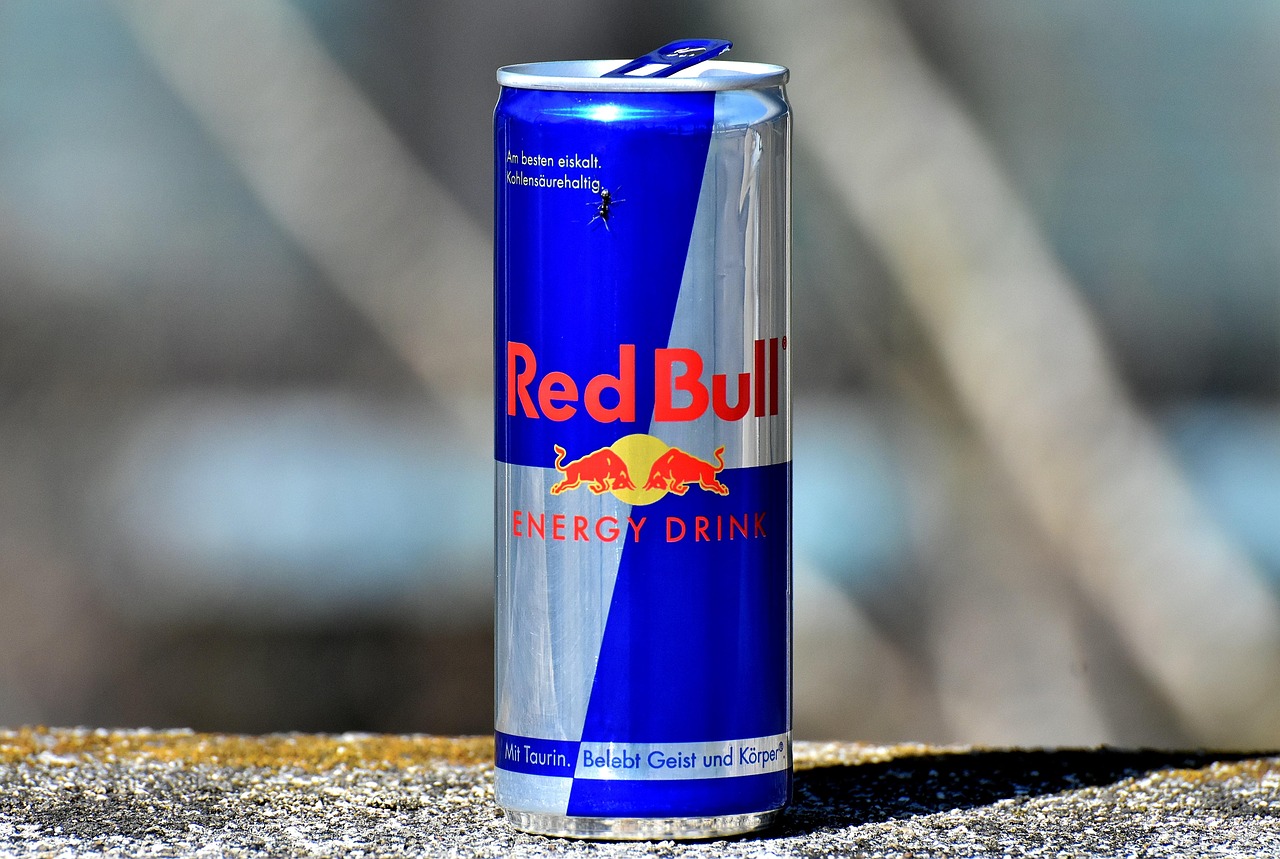
Energy drinks have become immensely popular among athletes and fitness enthusiasts. Many believe these beverages can significantly boost performance, endurance, and recovery. However, it’s essential to distinguish between fact and myth regarding energy drink consumption. While they provide temporary energy boosts due to high caffeine and sugar content, these drinks may not translate into improved athletic performance as commonly perceived. Research indicates that the benefits can be short-lived and potentially lead to adverse effects. Understanding how energy drinks impact the body is crucial for athletes who rely on them during training and competitions. This will help them make informed decisions about their use. Additionally, examining the ingredients and their effects on hydration and electrolyte balance can provide further insights. Athletes are often curious about how these drinks compare with traditional sports drinks. By exploring these differences, we can clarify the purpose of each beverage and determine the most effective options for hydration and energy replenishment. Overall, knowing the differences between myths and facts regarding energy drinks is vital for those involved in sports. Accurate information allows for better nutritional choices during training and competition.
Adverse side effects and health risks are associated with the excessive consumption of energy drinks. Many athletes overlook these dangers in pursuit of enhanced performance. High caffeine intake can lead to increased heart rate, anxiety, dehydration, and digestive issues. Additionally, when consumed in large amounts, sugar can cause energy crashes, negatively impacting performance. It’s crucial to consider these potential consequences, which might outweigh the perceived benefits. Moreover, the mixture of stimulants and high sugar levels can create variability in individual responses, complicating the effectiveness of energy drinks. Hydration is another key aspect of performance. Research suggests that hydration significantly influences athletic capabilities. The diuretic nature of caffeine can adversely affect hydration levels, especially during intense workouts. Therefore, athletes must prioritize their hydration strategies by using appropriate sports drinks or natural alternatives, such as water or coconut water. Balancing energy drinks with other sources of hydration can be essential for maintaining optimal performance levels. By prioritizing overall hydration and moderation, athletes can continue to push their limits without risking their health.
The Role of Caffeine in Performance
Caffeine, a common ingredient in many energy drinks, is renowned for its ability to enhance alertness and reduce the sensation of fatigue. Numerous studies support its positive effects on various aspects of physical performance, including strength, endurance, and overall exercise performance. Athletes often turn to caffeine to achieve these results. Additionally, caffeine helps by increasing the release of fatty acids from fat tissues, promoting fat utilization during prolonged activities. This mechanism can spare glycogen stores and improve endurance, making caffeine a sought-after ergogenic aid. However, moderation is crucial, as excessive consumption can lead to negative side effects. While caffeine may be beneficial, relying solely on energy drinks for performance is not the best approach. Instead, athletes should consider their overall dietary patterns and lifestyle choices to maximize performance sustainably. By understanding how caffeine works in the body and integrating it into a balanced nutrition plan, athletes can harness its benefits while minimizing potential dangers. Finally, experimenting with caffeine timing and dosage can help athletes find the optimal balance for their performance without jeopardizing health.
Individuals must consider the nutritional value of energy drinks, as many contain unhealthy additives and excessive sugar. A can of energy drink can have nearly equivalent sugar content to a candy bar, which is likely detrimental during intense physical activity. These high sugar levels can lead to weight gain and metabolic issues over time. Furthermore, the presence of artificial flavors and preservatives can negate the advantages of the drink. Hence, athletes should evaluate product labels carefully, focusing on the ingredient list when choosing these beverages. A good alternative may be the use of powdered energy supplements or natural sugar sources, which offer benefits without added risks. For example, using fruits for energy boosts can provide natural vitamins and minerals alongside their carbohydrate content. This approach not only supports better health but also offers sustainable energy sources for athletes. Additionally, choosing products with low caffeine levels can promote overall performance without excessive stimulation. The ultimate goal is to enhance performance through a holistic approach that considers nutrition, hydration, and adequate recovery strategies.
Alternatives to Energy Drinks
While energy drinks may seem convenient, there are numerous alternatives for athletes looking to enhance performance safely. Water remains the cornerstone of hydration, crucial for overall health and performance. Consuming electrolytes lost through sweat can help maintain proper hydration levels during intense activities. Natural beverages, such as coconut water or homemade smoothies, provide essential nutrients that energy drinks often lack. These options can help maintain energy levels and promote recovery. Additionally, incorporating whole fruits or energy bars into the athlete’s diet is an excellent way to fuel up before workouts without the health risks associated with energy drinks. Foods rich in complex carbohydrates, such as oats and whole grains, also serve as excellent energy sources. Athletes should also ensure they consume meals that adequately support their training and competition needs to sustain energy levels. Finally, focusing on proper nutrition can create a more sustainable source of fuel, balancing hydration, and energy needs. Therefore, athletes should explore various nutritional options to optimize their performance without resorting to energy drinks.
Research continues to evolve regarding the impact of energy drinks on sports performance. While some studies suggest potential benefits, others highlight numerous associated risks. The controversy surrounding energy drinks emphasizes the need for further examination and awareness. A one-size-fits-all approach does not work for energy drink consumption, as each athlete’s body reacts differently. Therefore, individual preferences, tolerances, and dietary requirements should inform the decisions athletes make regarding energy drink consumption. Consulting nutrition experts can also facilitate personalized strategies tailored to enhance performance while prioritizing health and well-being. Through ongoing education, content should advocate rigorous research and transparency regarding ingredient safety and effectiveness in the sports nutrition field. Additionally, organizations should provide guidelines for energy drink consumption to support safe and informed choices among athletes. By prioritizing accurate information and prioritizing health first, sports communities can empower athletes to make better dietary decisions during training and competition. Understanding energy drinks’ risks and benefits is vital for every athlete striving for optimal performance.
Conclusion: Making Informed Choices
In summary, the consumption of energy drinks among athletes raises critical questions about efficacy, health risks, and long-term impact. As we dissect the myths and facts, it’s evident that moderation and balance play a crucial role. Energy drinks may provide a quick energy boost, but they should not replace adequate nutrition and hydration strategies essential for performance. Athletes must be equipped with accurate information to navigate their choices effectively. Using energy drinks wisely and prioritizing essential nutrients can create a responsible athletic lifestyle. By focusing on comprehensive wellness and sound dietary habits, athletes can enhance their overall performance sustainably. As research advances, maintaining a healthy skepticism toward marketing claims surrounding energy drinks will allow athletes to make informed choices. Additionally, consulting professionals in sports nutrition can provide valuable insights and prescriptions tailored to each athlete’s unique needs. In turn, this careful approach fosters optimal performance and enhances long-term health and fitness. Understanding the complex relationship between energy drinks and sports performance empowers athletes in their journeys. Taking these principles to heart will support athletic goals, well-being, and success.
In conclusion, we must continue to prioritize health, nutrition, and education regarding energy drinks and their impact on sports performance. By embracing this holistic view, athletes have an incredible potential to excel in their chosen sports.