
Balancing Rest and Activity in CrossFit Injury Rehabilitation
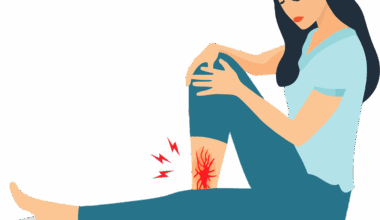
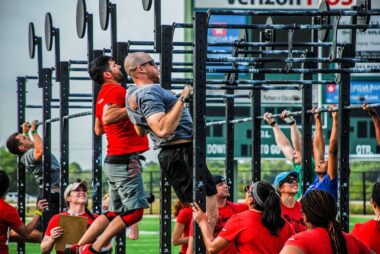
CrossFit is a high-intensity workout regimen that demands strenuous physical effort, contributing to its popularity. However, the risk of injury is prevalent if athletes do not take proper precautions. Rehabilitation after an injury is crucial for returning to form. This process often puts focus on balancing rest and activity effectively. Initially, rest is vital to enable the body to heal. In this phase, the emphasis is on preventing further damage to the affected area. However, complete inactivity can lead to muscle atrophy, decreased strength, and overall physical decline. Thus, incorporating limited activity while healing becomes essential. These activities should promote movement and facilitate recovery but should not cause further pain or discomfort. It’s wise to seek guidance from healthcare professionals to tailor a regimen that suits individual needs. Both physical therapists and coaches play pivotal roles in this approach, helping to design a plan that enhances recovery without pushing the limits. Additionally, mental health should not be overlooked during rehabilitation. Athletes often deal with frustration or anxiety about returning to previous performance levels.
Understanding the Phases of Recovery
Recovery from injury typically involves three distinct phases: acute, sub-acute, and chronic recovery. The acute phase usually lasts a few days following the injury, primarily focusing on reducing inflammation and pain. It’s during this stage that rest is absolutely critical. Activity must be minimal to ensure the injury can heal without additional stress. Once the acute phase passes, the sub-acute phase begins, lasting about a couple of weeks. This is where balanced activity comes into play. Gentle movements and specific, controlled exercises can promote blood flow and nutrient delivery to the injured area, enhancing healing. This phase often includes physical therapy specific to the injury experienced. The final phase, chronic recovery, may involve a return to more intense physical activity. Strengthening muscles around the injury is vital to prevent future occurrences while building confidence back into the movements required for CrossFit. Understanding these phases helps athletes and coaches monitor progress effectively, adjusting workout routines as necessary. Decisively, overloading an injury too quickly can lead to re-injury. Thus, patience and careful monitoring are necessary for long-term success.
To ensure recovery is effective, key factors must be taken into consideration. Nutrition plays an indispensable role, as proper food intake aids in healing. A diet rich in proteins, healthy fats, and carbohydrates supports muscle repair and energy restoration. Additionally, hydration cannot be overlooked; being well-hydrated ensures optimal function of all bodily systems, particularly healing tissues. Supplementing with vitamins and minerals may also provide additional benefits during the rehabilitation stage. For instance, vitamin C contributes to collagen formation, while vitamin D and calcium are vital for bone health. Moreover, sleep is often undervalued but essential for recovery. Quality sleep allows the body to heal and regenerate effectively. Finally, incorporating mental techniques, such as visualization or relaxation exercises, can aid recovery and reduce anxiety. Finding ways to cope while enhancing motivation can be beneficial for athletes trying to return to form. During rehabilitation, maintaining an optimistic outlook helps accelerate recovery while enabling better engagement during both rest and activity. A supportive network of coaches, teammates, and family can build resilience, providing emotional encouragement throughout the process.
Setting Realistic Goals
Establishing realistic goals during injury rehabilitation is crucial for maintaining motivation and direction. Athletes should set incremental objectives that focus on gradual improvements. This approach not only aids physical recovery but also builds mental resilience. Initial goals may revolve around basic range of motion and pain-free movement. Once those are achieved, progress can shift to strength-building exercises, which could incorporate low-intensity CrossFit movements, ensuring safety throughout the process. Tracking these achievements can provide a sense of accomplishment, fostering a positive outlook on recovery. This systematic progression also allows for constant evaluation; athletes can identify when adjustments are necessary to their rehabilitation plan. Coaches should communicate openly and foster a partnership for setting these objectives. Beyond ensuring physical capability, goals can also address psychological aspects. For example, an athlete might aim to perform basic movements with confidence or return to class participation. Maintaining a balance between rest and activity while striving towards these goals enhances engagement and encourages a proactive attitude. Thus, a comprehensive and realistic goal-setting framework is essential for ensuring a successful recovery while remaining connected to the CrossFit community.
Listening to one’s body is another critical aspect of injury rehabilitation. Athletes often push themselves, driven by competitive spirit, which can lead to additional setbacks. Therefore, understanding pain signals and recognizing limitations plays a significant role in a safe return to activity. Recognizing when to continue with an exercise and when to rest is essential. Athletes should keep in regular contact with their medical professionals for feedback. They can conduct assessments to ensure that healing is progressing and suggest modifications to the workout. Failing to heed warnings or pushing through pain can delay the recovery timeline and increase the risk for chronic issues. Alongside professional input, self-assessment through reflective practices can guide athletes on their journey. Keeping a journal detailing exercises, feelings, or any discomfort experienced can help in identifying patterns. This self-awareness not only enhances injury rehabilitation but also bolsters future training practices. Athletes should also consider mindfulness practices, promoting a deeper connection with their body and acknowledging its responses to varying intensities. Balancing effort with introspection can lead to more effective rehabilitation outcomes.
CrossFit Modifications and Adaptive Strategies
In the realm of CrossFit injury rehabilitation, integrating modifications is essential. Not all prescribed exercises will accommodate the injured area; thus, athletes should embrace alternative movements that maintain engagement with the workout disciplines while ensuring safety. Coaches should work collaboratively with the athlete to identify suitable modifications. This may involve reducing resistance, altering exercises to limit impact, or substituting movements altogether. For instance, if an athlete is recovering from a shoulder injury, exercises focusing on the lower body or low-impact cardio can keep them engaged. The use of adaptive equipment will also enhance participation; bands, lighter weights, or machines can assist in maintaining order within workouts. Additionally, leveraging techniques like active recovery workouts can provide beneficial cardiovascular workouts while reducing stress on the injured area. Throughout this process, positive reinforcement contributes significantly to mental recovery. Celebrating small milestones can cultivate a sense of accomplishment, encouraging athletes to stick to their rehabilitation commitments. With patience, improved conditioning on the injury, and engaging in the community, the transition back to regular CrossFit can be smooth and effective.
As athletes engage asynchronously in the rehabilitation process, maintaining social connections within the CrossFit community can also bolster morale. The atmosphere in CrossFit classes emphasizes camaraderie and support. As participants work through their limitations, others can provide encouragement. Teammates can keep spirits high, offering motivation and shared experiences in overcoming injuries. Joining online forums or community groups focused specifically on injury recovery can also offer feelings of belonging while sharing relevant stories and strategies. Furthermore, participating in lower-intensity classes can ensure safety while still feeling part of the workouts. Athletes can also benefit from engaging in discussions with others who’ve returned from injury, gaining insights through shared experiences. Building these connections provides emotional support and creates accountability towards rehabilitation goals. Ultimately, the CrossFit community’s inherent support system can aid in navigating recovery. When combined with a well-structured plan for rest and activity, successful recovery becomes more attainable. A shared commitment can drive athletes to return stronger than before, enhancing not only personal health but also enriching community ties.
In conclusion, balancing rest and activity is essential for successful injury rehabilitation in CrossFit. Athletes face the challenge of navigating their body’s needs while maintaining connection with their workout community. A nuanced approach that includes understanding recovery phases, setting realistic goals, and incorporating appropriate modifications can facilitate safety during recovery. Emphasizing nutrition, hydration, and mental health is also vital for an optimal rehabilitation experience. Coaches and healthcare professionals should provide essential support through tailored strategies, addressing unique requirements along the journey. Communication remains a cornerstone throughout this process; athletes should consistently identify their concerns and feelings while seeking guidance. Additionally, recognizing body signals empowers athletes to make informed decisions regarding their activity levels. As they progress, finding joy in movement, even amidst limitations, can bolster confidence and motivation. Ultimately, fostering a collaborative relationship with coaches and peers can make the return to CrossFit both safe and joyous. Through commitment and support, athletes can reclaim their vitality and zeal for training. With patience, commitment, and active participation in their rehabilitation, individuals will not only heal but will also thrive in their CrossFit endeavors.