
Promoting Positive Body Image Through Nutrition Education
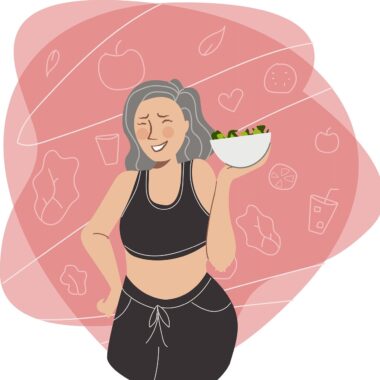
In today’s world, where media influences perceptions of beauty, promoting a positive body image is crucial. One effective strategy is through nutrition education. Understanding nutrition helps individuals appreciate their body and its needs. By learning about balanced diets and the benefits of various food groups, people may develop a healthier relationship with food. Education about macros and micros empowers individuals, enabling them to make informed choices, which can positively impact their self-esteem. This understanding fosters body acceptance, emphasizing that nourishment is essential for health, regardless of size or shape. When individuals focus on how food fuels their bodies rather than purely aesthetics, they can cultivate self-appreciation. Consequently, this approach encourages personal growth and self-acceptance. Furthermore, nutrition education can counter negative self-talk triggered by societal standards. Engaging with programs that focus on healthy eating habits supports holistic well-being, ultimately transforming the way individuals view themselves. Thus, incorporating nutrition education into various settings, including schools and community centers, is paramount. With this knowledge, we can support individuals in developing a more positive body image and fostering resilience against the pressures of body dissatisfaction.
Nutrition education provides a foundational understanding of healthy eating habits, directly impacting body image perception and mental health. When individuals learn about nutrition, they recognize the importance of consuming a variety of foods, which fosters positive relationships with dietary choices. Understanding how certain foods nourish the body can improve mental well-being and self-worth. Focused programs can teach the differences between nutrient-dense foods and less beneficial options. Recognizing these distinctions enables individuals to make conscious eating decisions. This education is essential for young people who are highly influenced by social media and peer pressure. Positive messaging around food choices promotes individuality rather than conformity to narrow ideals. Additionally, exploring cultural perspectives on food can enhance appreciation for diverse dietary practices, fostering inclusivity. As we embrace different food cultures, we cultivate an understanding that diverse bodies require different nutritional needs. Participants can also share personal experiences and learn from one another, creating a supportive environment. By incorporating phone applications and online resources, nutrition education can reach wider audiences, thus enhancing the positive impacts of body image through increased awareness and understanding of healthful eating.
Building Resilience Through Nutrition
Building resilience is essential in promoting a positive body image, and nutrition education plays an important role in this process. When individuals understand how to nourish their bodies properly, they can better manage the emotional and psychological challenges associated with eating disorders and body dissatisfaction. Enhancing one’s self-awareness about food choices empowers individuals to assert control over their eating habits. Developing resilience relies on creating a support network that inspires positive behaviors. Nutrition workshops and group activities encourage teamwork and provide a safe space for sharing experiences and challenges. Participants can learn from experts about the psychological aspects of eating in partnership with nutrition principles. They can also discover coping strategies that focus on food as a source of nourishment rather than guilt. Acceptance of one’s unique body is encouraged as individuals start to focus on their unique nutritional profiles without comparing themselves to others. This strategy helps reinforce the understanding that bodies come in all forms and sizes. Thus, this educational framework not only addresses nutrition but also emphasizes emotional health, creating a well-rounded approach to building resilience against societal pressures.
Furthermore, engaging individuals in practical experiences is necessary for effective nutrition education. Hands-on activities, such as cooking classes and gardening, foster enthusiasm for healthy eating. These practices can improve one’s understanding of whole foods and their preparation. Such experiences are also effective in demonstrating how nutritious meals can be cost-effective and satisfying. By involving individuals in meal planning and preparation, they develop essential skills that enhance their confidence. Encouraging creativity in the kitchen also makes healthy eating enjoyable and instills a sense of accomplishment. When individuals actively participate in creating their meals, they are more likely to appreciate the effort and care involved. Additionally, community events that promote local farmers and fresh produce foster not only healthful eating but also social connections. Strengthening community bonds via shared meals and food traditions helps combat isolation, which can be a significant risk factor for eating disorders. Such collective efforts can uplift individuals, enforcing the idea that everyone is valuing themselves through nutritious choices. Ultimately, these practices enhance the overall perception of body image positively and create a healthier environment for personal growth and self-acceptance.
The Role of Parents and Educators
The influence of parents and educators in promoting positive body image through nutrition education cannot be overstated. They serve as critical role models and are the first points of reference for children’s beliefs regarding body image and healthy eating. Parents can cultivate an environment that encourages openness about food and body talk by intentionally demonstrating healthy habits and their importance in daily life. Educators play an integral role by integrating body positivity messages into the curriculum. Teaching children about the significance of health over appearance assists in developing their critical thinking skills. By debunking myths about diet culture, children learn to appreciate diverse body types and understand that health looks different for everyone. Building this foundation ensures resilience against societal standards as they grow. Discussions around nutrition and personal well-being can open pathways for collaboration between school nutrition staff and families. Joint efforts in meal planning, eating together, and embracing body positivity help strengthen these teachings in a practical way. Ultimately, a community approach to nutrition and body image reinforces children’s self-acceptance and promotes lifelong healthy habits.
In addition, technology can serve as a powerful ally in promoting body positivity through nutrition education. With the explosion of digital platforms, online resources, and applications available can provide valuable information and support for individuals studying nutrition. Interactive websites can host engaging content that teaches about balanced meals, debunks diets, and emphasizes the significance of self-care. Virtual cooking classes and webinars also allow individuals to engage with experts from the comfort of their homes. By incorporating testimonials and success stories within these platforms, individuals can find relatable experiences that inspire them to embrace changes positively. Moreover, creating social media campaigns that highlight body positivity and nutrition can challenge harmful stereotypes while advocating for healthy lifestyle choices. Followers can access tips on positive affirmations about body image alongside practical nutrition advice. Engaging visuals, such as photographs of healthy meals, can spark creativity and motivation within communities. By harnessing technology, we can amplify messages around nutrition education and body acceptance to encourage broader audiences. This dynamic engagement can transform society’s narrative around body image while fostering healthier relationships with food and self.
Conclusion
In conclusion, promoting positive body image through nutrition education is a multifaceted approach that requires the collaboration of various contributors, including individuals, families, educators, and communities. This holistic strategy emphasizes the importance of self-acceptance, nutrient-rich food choices, and education that resonates with and empowers individuals of all ages. By encouraging practices rooted in appreciation for diverse bodies and health representations, nutrition education fosters resilience against societal pressures. Providing individuals with the tools and knowledge to make informed food choices inspires confidence in their bodies and fosters a healthy relationship with self-image. Additionally, incorporating practical activities and technology can enhance educational experiences and accessibility, allowing for broader engagement. Ultimately, instilling a positive culture around nutrition and body image paves the way for healthier generations. It is crucial for stakeholders to advocate for continuous development of programs centered on body positivity and nutrition, ensuring that these resources are accessible and inclusive. Together, we can build a society where everyone appreciates their bodies while nourishing themselves with wholesome and balanced food choices.