
Herbal Teas That Support Female Hormonal Wellness
In the pursuit of maintaining hormonal balance, herbal teas can play a significant role in supporting female hormonal health. Various herbs have unique properties that help regulate hormones, alleviate symptoms, and promote overall well-being. Raspberry leaf tea is one of the most valued herbal remedies. Rich in vitamins and antioxidants, it helps tone the uterus and can ease symptoms during menstruation. Similarly, chamomile tea provides a soothing effect, promoting relaxation and potentially alleviating menstrual cramps. Furthermore, licorice root tea offers adaptogenic properties and promotes adrenal health, addressing hormonal imbalances stemming from stress. Women dealing with mood swings may find relief through lemon balm tea, which is known for its calming effects. Additionally, nettle tea provides vital nutrients, including iron, that can combat fatigue often linked to hormonal fluctuations. Lastly, ginger tea can help with digestive issues and enhance blood circulation, further supporting overall wellness. By incorporating these herbal teas into your daily routine, you can foster a more balanced hormonal landscape. Consistency is key, so sip regularly for the best results in hormonal balance.
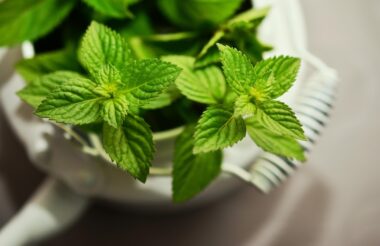
When exploring more herbal options, peppermint tea stands out as a refreshing choice. It has been linked to reducing menstrual pain and promoting digestive health, making it highly beneficial during the menstrual cycle. Another excellent option is red clover tea, which is rich in phytoestrogens and helps in moderating estrogen levels. Women experiencing menopause may find that red clover tea can ease hot flashes and improve overall mood. Furthermore, fennel tea has been traditionally used to relieve bloating and tension associated with hormonal changes, allowing for a more comfortable experience. For those seeking hormone regulation, holy basil tea, an adaptogenic herb, can reduce stress and promote a more balanced hormonal environment. Alfalfa tea offers a wealth of nutrients to support overall female health while also combating hormonal imbalances. These teas should be enjoyed for their flavor and health benefits, as they provide a holistic approach to hormonal wellness. Make sure to consult a healthcare provider to tailor your herbal choices to your specific needs, ensuring the best outcomes for your health journey.
Understanding Benefits of Each Herbal Tea
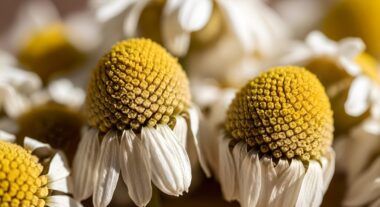
The rich array of herbal teas encourages the integration of more natural remedies into daily routines, each uniquely beneficial for hormonal health. Starting with raspberry leaf tea, it has long been utilized in women’s health, especially during pregnancy and menstruation. The plant contains fragarine, which helps tone and tighten the pelvic muscles, assisting in childbirth and menstrual relief. Then there’s chamomile tea, renowned for its calming qualities; it helps to soothe the nervous system, alleviating stress-related hormonal fluctuations. Its anti-inflammatory effects can also alleviate discomfort linked with hormonal shifts. Licorice root tea is critical for adrenal support, balancing cortisol levels and providing a calming effect during high-stress periods. The soothing properties of lemon balm tea can help enhance sleep quality, reducing anxiety and promoting relaxation. Nettle tea, on the other hand, nourishes the body with iron and nutrients crucial for combating fatigue, especially during menstruation. By understanding how each tea contributes to hormonal health, women can better select options tailored to their needs, leading to improved well-being.
Moreover, ginger tea holds incredible value for managing both hormonal fluctuations and digestive issues, making it a versatile ally during hormonal changes. The active components in ginger, such as gingerol, offer anti-inflammatory benefits which can reduce period pain effectively. Meanwhile, peppermint tea provides a refreshing choice that can also alleviate headaches and cramps while acting as a digestive aid. It is especially useful during the menstrual cycle when bloating is common. Red clover tea, equipped with phytoestrogens, can specifically assist women experiencing menopause symptoms by balancing hormonal levels. Fennel tea is another excellent choice, known for its ability to influence estrogen metabolism positively, thus supporting hormonal balance effectively. Additionally, holy basil tea is often highlighted for its adaptogenic properties that help combat stress, a significant player in hormonal imbalance. Lastly, alfalfa tea is packed with vitamins and minerals that offer extensive nutritional support to women. This variety in herbal choices is essential, as each option offers distinct benefits aimed at enhancing hormonal health.
Incorporating Herbal Teas into Your Routine
Incorporating these herbal teas into your daily routine can be a rewarding experience that promotes better female hormonal health. Begin by selecting one or two teas that resonate with your body’s specific needs or symptoms. It’s best to start slowly; try including one herbal tea each day, allowing your body to adapt and respond. You can brew a cup in the morning to invigorate your day, choosing energizing options like ginger or peppermint tea. In the afternoon, sipping on calming options like chamomile or lemon balm can help you unwind and prepare for the evening. Before bed, consider a cozy cup of raspberry leaf or fennel tea to promote relaxation and assist in restful sleep. Transitioning these herbal teas into your evening routine can also positively impact sleep patterns and overall hormonal balance. Remember, consistency is key to experiencing the benefits. Observe how each tea affects your mood, energy, and symptoms to better understand your individual responses, tailoring your herbal intake accordingly to maximize health benefits.
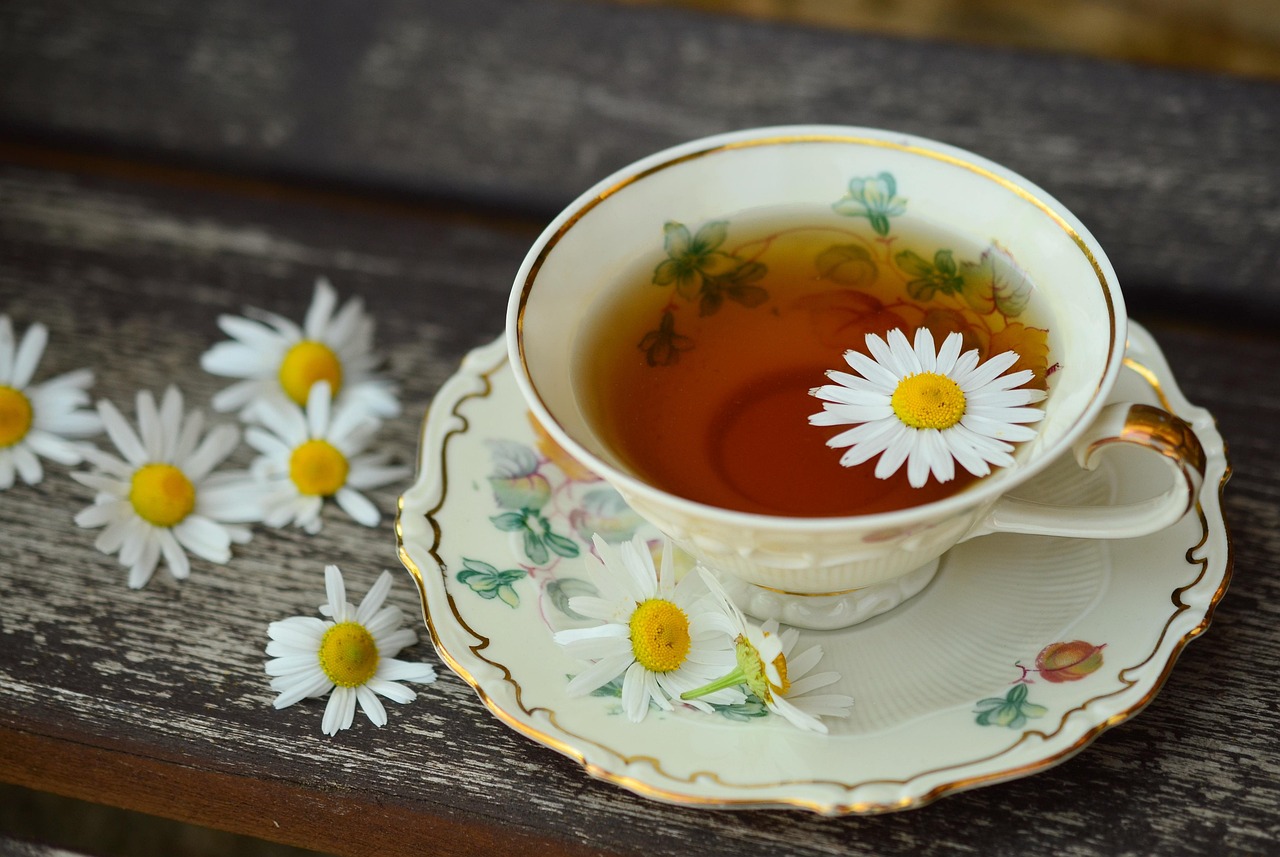
Attention should also be given to brewing methods for the optimal extraction of flavors and benefits from the herbs. Steeping time varies; most herbal teas are best brewed for at least five to seven minutes. This brewing duration allows the active compounds to fully infuse into the water, enhancing both flavor and health benefits. Moreover, consider using fresh herbs whenever possible, as they tend to have higher concentrations of beneficial constituents. If using dried herbs, ensure they are stored correctly in a cool, dark place to preserve potency. Temperature is also essential—boiling water may not be ideal for delicate herbs like chamomile; instead, allowing the water to cool slightly ensures a better-tasting infusion. Enhancing your teas can be done with a splash of honey or a slice of lemon, offering both a flavor boost and additional health benefits. Ensuring that you enjoy the experience is vital; create a comforting atmosphere for your tea-drinking moments, as it can elevate the experience further. By creating a ritual around your herbal tea consumption, you’ll likely find a greater sense of well-being.
Combining Herbs for Enhanced Benefits
For those looking to amplify the effects of herbal teas on hormonal health, combining several herbs can offer synergistic benefits. Crafting your unique blends allows you to cater specifically to your hormonal needs. For instance, combining raspberry leaf tea with ginger tea can provide not only menstrual support but also digestive aid. Additionally, blending chamomile tea with lemon balm tea creates a calming and relaxing blend perfect for managing stress and anxiety, common factors affecting women’s hormonal health. Licorice root tea pairs well with holy basil tea, as the combination supports adrenal health and helps reduce stress levels. Experimenting with ratios and quantities can yield delicious results while enhancing the overall benefits. Having the flexibility to mix flavors also keeps tea time interesting and enjoyable. With the ability to pair nutrient-dense components from different herbs, you personalize your tea experience. Each blend can target various hormonal symptoms, catering to individual preferences and needs, helping create a sustained positive impact on overall well-being.
No matter which herbal tea you choose, remember that hydration plays a crucial role in overall hormonal health. Staying adequately hydrated helps regulate bodily functions, including hormonal balance. Complement your tea intake with ample water throughout the day to support metabolism and organ functions effectively. Be mindful of caffeine intake as well; too much caffeine can lead to hormonal imbalance and disrupt sleep cycles. Aim for more organic, naturally sourced herbal teas to minimize environmental impacts and ensure optimal benefits. As you incorporate these herbal teas into your lifestyle, maintaining a balanced diet with whole foods enhances their effectiveness against hormonal imbalances. Monitoring any changes or feelings experienced after regular tea consumption is recommended for insights into tea benefits. Keep a journal noting your symptoms and emotional state to better evaluate the connection with your herbal practices. Personal experiences can greatly vary, and adapting based on what feels right can lead to a more balanced hormonal health journey. Ultimately, finding joy in nurturing your body with herbal remedies fosters emotional well-being and physical health.