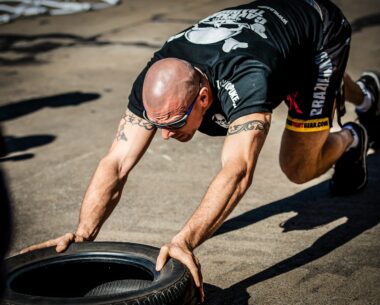

Functional Fitness Meets HIIT: Enhancing Athletic Performance
Functional fitness has gained immense popularity within the fitness community. It focuses on exercises that mimic daily activities, enhancing overall physical performance. Incorporating High-Intensity Interval Training (HIIT) into functional fitness routines can significantly elevate athletes’ capabilities. HIIT involves short bursts of intense exercise followed by rest or lower intensity. This approach effectively improves cardiovascular fitness, strength, and endurance, which translates directly into better athletic performance. The beauty of HIIT is its adaptability; it can be tailored to fit all fitness levels, from beginners to advanced athletes. Pairing HIIT with functional movements like squats, lunges, and kettlebell swings allows trainers to create dynamic workouts that promote agility and core strength. Moreover, functional HIIT workouts can prevent injury by strengthening stabilizing muscles that are often neglected in traditional training. As more athletes embrace this method, it is clear that combining functional fitness with HIIT can lead to superior results. Understanding the benefits and versatility of this training style is the first step towards transforming one’s fitness journey and maximizing performance on the field or court.
Strength and Power Development
Strength and power are essential elements in athletic performance, particularly in competitive sports. HIIT, paired with functional movements, can enhance these critical aspects efficiently. For instance, exercises such as burpees or box jumps not only build strength but also develop explosive power. The interval format of HIIT pushes athletes to engage multiple muscle groups, leading to greater strength gains when executed properly. Athletes who perform HIIT regularly can improve their overall power output, which is crucial for sports requiring quick bursts of speed or strength. Additionally, this training can also improve an individual’s metabolic rate, aiding in effective body composition management. Soccer players, basketball players, and football athletes particularly benefit from improved speed and agility derived from functional HIIT workouts. Resisting fatigue while maintaining high power output is vital, and HIIT trains the body to adapt to such demands. Consistency in these workouts can translate to improved performance in competitive situations. Developing a training plan that includes functional HIIT can be a game-changer for athletes striving to reach their peak performance goals.
Beyond strength, enhancing aerobic capacity is another crucial benefit of integrating HIIT into functional fitness routines. HIIT workouts improve the cardiovascular system, allowing for better oxygen delivery to muscles during intense activities. This increases the body’s ability to sustain energy levels over longer periods. For athletes, a solid aerobic base is crucial for resilience during competitions. Effective cardiovascular training through functional fitness can improve both stamina and recovery time. Short, intense bursts followed by rest periods push the body to adapt to higher intensity levels, enhancing overall endurance. This adaptability is essential for sports that often require rapid changes in pace. Athletes can benefit from mixing different exercises to avoid monotony and ensure all fitness components are addressed. For example, combining kettlebell swings with jump rope intervals can keep workouts fresh and challenging. Variations in training prevent plateaus in performance. The interplay between high intensity and functional movements empowers athletes to maximize their limits. Varied HIIT workouts can be tailored to fit specific sports, targeting muscle groups most engaged during competitions. To achieve one’s best through functional fitness means embracing the versatility of HIIT.
Nutrition and recovery are as crucial as training in sports performance. Engaging in high-intensity workouts can deplete energy levels rapidly. Therefore, athletes must follow a well-structured nutrition plan to fuel their bodies correctly. Focused nutrition assists in recovery, ensuring muscles rebuilt stronger after rigorous workouts. Adequate protein intake post-workout supports muscle repair, while carbohydrates replenish lost energy stores. Hydration is another key component, as athletes lose vital fluids during high-intensity workouts. A well-planned meal schedule complements training routines and amplifies performance enhancement. After an intense functional HIIT session, body recovery through proper nutrition becomes paramount. Consuming a balanced meal with nutrients aids in overall muscle recovery. Supplementing with vitamins and minerals contributes to long-term health, particularly in high-demand sports. Meal prepping or consulting with a nutritionist can help streamline the eating process, leaving athletes focused on training. Monitoring what one consumes can yield significant results in performance. Adopting a comprehensive approach to nutrition ensures that athletes maintain peak performance throughout seasons, enhancing their journey in sports and fitness.
Injury Prevention and Rehabilitation
One of the key advantages of functional fitness combined with HIIT is the potential for injury prevention. Engaging in functional movements enhances stability, balance, and coordination, reducing the risk of injuries. Well-structured workouts target the core, improve joint mobility, and strengthen stabilizer muscles. HIIT can also be adapted for rehabilitation by gradually increasing the intensity of workouts. For athletes returning from injury, focusing on controlled movement patterns through functional training aids in recovery. Such training emphasizes body awareness, allowing athletes to engage the correct muscles effectively. As a result, muscle imbalances caused by previous injuries can be corrected, promoting overall bodily strength. Trainers can modify HIIT sessions to suit rehabilitation needs, ensuring a safe return to full intensity. Incorporating exercises that mimic sport-specific movements keeps athletes engaged while promoting recovery. For instance, utilizing resistance bands or bodyweight exercises can provide a low-impact yet effective workout. Functional HIIT programs create an environment that promotes resilience, preparing athletes for their respective sports while minimizing injury risks. Prioritizing safe training practices protects athletes to guarantee longevity in their fitness pursuits.
The social aspect of HIIT also plays a significant role in enhancing motivation among athletes. Group classes or training sessions designed around HIIT often foster community engagement. This camaraderie encourages participants to push beyond their limits, enhancing overall performance levels. Moreover, working out in a team setting cultivates accountability, encouraging individuals to remain committed to their fitness journey. When integrative HIIT sessions focus on functional fitness, the social environment becomes even more valuable. Participants often share tips, techniques, and encouragement during workouts, cultivating a strong support system. As athletes navigate through challenges, this sense of community propels them forward. Additionally, friendly competition can lead to greater performance milestones being achieved. Incorporating competitive elements into workouts, such as timed circuits or partner challenges, motivates individuals to exceed personal bests. Building a strong social network around fitness fosters both mental and physical growth. Overall, intertwining social interaction with functional HIIT workouts amplifies the essence of health and fitness. It enriches the training experience, motivating athletes to achieve their personal goals.
In conclusion, combining functional fitness with HIIT creates a holistic approach to athletic performance. This method not only enhances strength, endurance, and power, but also promotes recovery and injury prevention. The blend of high-intensity training with functional movements equips athletes with the necessary skills for success in their sports. The versatility of HIIT allows it to be tailored for all fitness levels, making it accessible and effective. Whether training for competition or personal fitness goals, this strategic method offers numerous benefits. Proper nutrition and recovery practices further amplify the positives of functional HIIT training. Finally, cultivating a supportive social environment fosters motivation and accountability, vital for persistent growth. Athletes committed to maximizing their performance should consider adopting functional HIIT methods into their training regimens. Understanding how these techniques complement one another will allow for optimal gains on and off the field. Innovation in training practices is essential in today’s athletic landscape. Athletes who embrace this dynamic approach will not only experience improved performance but also a renewed passion for their fitness journeys.
Regular assessment of progress is crucial in ensuring that functional HIIT training remains effective. Tracking performance metrics enables athletes to identify strengths and areas requiring attention. These metrics might include tracking times, the number of repetitions, or assessing how one feels during workouts. Adjustments to training intensity or exercise selection can be made based on this feedback. Continuous assessment not only motivates but also provides insights into personal limits. Leaders in the fitness community often recommend weekly reflections concerning progress and areas for improvement. Establishing specific goals related to performance can also guide training efficiency. Keeping a training log can help athletes maintain focus on these objectives, leading to a structured approach to workouts. Celebrating small milestones reinforces positive behavior and builds confidence in one’s capabilities. Over time, witnessing tangible results through data collected becomes encouraging as each athlete’s journey unfolds. As one progresses, workouts can evolve in complexity, maintaining challenge and interest. Functional HIIT is about pushing boundaries while remaining mindful of safety and form. In the quest for enhanced athletic performance, staying aware of one’s progress becomes an invaluable ally.”}]}