
Cycling Competitions: Rules and Regulations You Should Know
Cycling competitions are exhilarating events that attract participants from around the world. To ensure fair play, specific rules and regulations are established by governing bodies. These rules cover various aspects, including race distance, timing, and eligibility. Participants need to comply with age and gender classifications, contributing to a level playing field. Equipment regulations are also crucial, focusing on the bicycles used during competitions. For example, bikes must meet stringent safety standards, including brakes, gears, and frame integrity. Moreover, competitors must avoid any alterations that could provide an unfair advantage, such as enhancements that might increase speed or performance. Officials are tasked with enforcing these rules and ensuring that each event adheres to established guidelines. Violations can result in disqualification or penalties, which can significantly affect competitors’ standings. Therefore, understanding these rules is essential for both novice and experienced cyclists participating in competitions. In summary, familiarity with the regulations not only enhances the sporting experience but also promotes sportsmanship and integrity in cycling. Whether you are a participant or a spectator, knowing the rules enriches your appreciation of the sport.
Types of Cycling Competitions
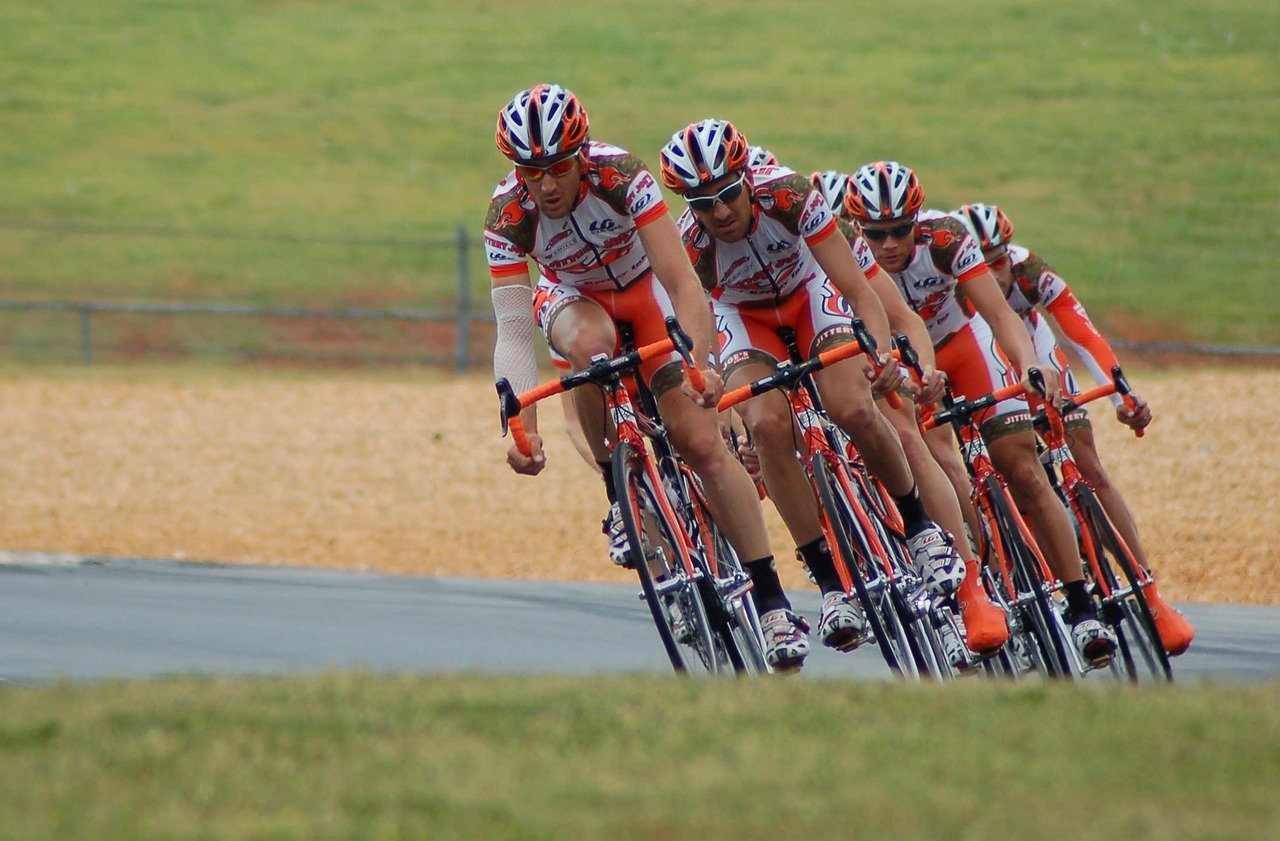
Cycling competitions are classified into various types, each with unique formats and regulations. Road racing is one of the most popular forms, featuring individual and team events across varied terrains. Participants race against each other on paved roads, often covering long distances. Similarly, criterium races involve short, fast laps on closed circuits, emphasizing strategy and speed. Another exciting type is track cycling, held on velodromes where athletes compete in sprints and endurance events. Cyclocross blends road and mountain biking skills, requiring cyclists to navigate obstacles over varied terrain, including mud and grass. Mountain biking competitions, on the other hand, typically take place in natural landscapes, challenging participants with rugged terrains and steep climbs. BMX racing is a fast-paced, adrenaline-filled event featuring short, intense races on dirt tracks. Understanding the nuances of these competition types helps competitors prepare adequately, ensuring that they choose events that align with their skills and interests. Each cycling discipline demands specific strategies and techniques, so knowing the distinctions is beneficial for aspiring athletes. In conclusion, exploring the diverse cycling competition types enhances participants’ experiences.
Registration processes for cycling competitions can vary significantly depending on the type of event and governing body. Participants usually need to register beforehand, which can often be done online. This process generally includes filling out personal information, confirming eligibility, and paying necessary fees. Additionally, many competitions require cyclists to possess a racing license issued by recognized cycling federations. It is important to note that registration deadlines can be strict, so participants should keep track of these dates to avoid missing opportunities. After registration, participants typically receive crucial information about the event, such as race route details, start times, and any special instructions. Ensuring that all registration forms are accurately completed is vital, as errors may lead to disqualification. Furthermore, some events offer categories based on age, gender, or skill level, so it is essential to select the appropriate category during registration. Athletes should also verify whether any specific gear requirements exist to ensure compliance on race day. By understanding the registration process, participants can streamline their preparation and focus on performing at their best during competitions.
Equipment Regulations
In cycling competitions, adherence to equipment regulations is crucial for maintaining the spirit of fair competition. The bikes used in races must meet specific standards set forth by governing bodies, with particular attention paid to safety features and performance capabilities. For instance, bicycles must have functioning brakes, gears, and reflectors to ensure safety during events. Additionally, the weight and overall design of the bike play a significant role in determining its eligibility for races. Riders must avoid modifications that might compromise safety or provide an unfair performance advantage. Furthermore, helmets are mandatory for participants in many cycling competitions, reflecting the growing concern for athlete safety. The specifications of helmets often include certification ratings that indicate compliance with safety standards. Apart from bikes and helmets, competitors also need appropriate attire designed for optimal performance, such as moisture-wicking jerseys, padded shorts, and cycling shoes. Understanding these equipment regulations is essential not only for compliance but also for enhancing performance during races, as the right gear can significantly impact comfort and efficiency on the track. Ultimately, compliance ensures a safer and more enjoyable competition.
Understanding race day protocols is essential for enhancing the cycling competition experience. Typically, participants are required to arrive at the venue well before the scheduled start time to complete necessary preparations. This often includes checking in, where they must confirm their registration and obtain race numbers or bibs. Additionally, a pre-race briefing may take place, outlining critical information regarding the race, including safety protocols, the course layout, and communication methods among officials and participants. Warm-up routines are also vital on race day, as they help athletes physically and mentally prepare for their performance. Hydration is equally important; competitors should consume adequate fluids before and during the race to maintain optimal body function. Furthermore, nutrition strategies might include consuming energy supplements or snacks prior to race time to fuel performance. Maintaining focus and avoiding distractions during these preparations can significantly impact race outcomes. Lastly, understanding post-race protocols, including cooldown activities and feedback sessions, contributes to an athlete’s growth and future preparedness. Overall, diligent adherence to race day protocols enhances the overall experience for competitors in cycling events.
Common Penalties in Cycling Competitions
In cycling competitions, adherence to rules is paramount, as violations can lead to penalties that affect rankings and athletes’ reputations. Common penalties include disqualification for severe infractions, such as using unauthorized equipment or engaging in unsportsmanlike conduct. Competitors may also face time penalties for minor offenses, which can result in added time to their overall race time. For instance, lane infractions during track events may incur penalties affecting an athlete’s performance. Additionally, failure to wear required safety gear, like helmets, can result in immediate disqualification, emphasizing safety’s importance in competitions. Notably, almost all cycling competitions have designated officials who monitor the race and enforce rules. These officials are responsible for assessing penalties impartially and ensuring that all athletes compete under the same conditions. This promotes fairness and integrity within the sport. Knowing the possible penalties can help athletes remain vigilant regarding their performance and conduct throughout events. Ultimately, understanding these consequences fosters sportsmanship and encourages fair practices among competitors, thereby enhancing the overall competition atmosphere.
Post-competition evaluation is a vital aspect of cycling events, allowing participants to learn from their experiences. After completing a race, athletes frequently review their performance data, identifying strengths and weaknesses. This reflection process is essential for continuous improvement and setting future goals. Coaches and trainers often provide insights based on observation during the event, contributing valuable feedback for both physical and tactical aspects. Additionally, discussing race experiences with fellow competitors can offer different perspectives on strategies and decisions made during the race. Evaluating nutrition and hydration strategies utilized on race day can also help in better preparing for future competitions. Some athletes choose to document their experiences in training logs, tracking progress and personal insights over time. This method helps to establish more effective strategies for upcoming races. Moreover, participating in debriefing sessions organized by teams or clubs fosters a sense of community and collaboration among cyclists. Engaging in these discussions ensures important takeaways are recognized and learned from, contributing to athletes’ overall development. Ultimately, the post-competition evaluation process is essential for growth and success in future cycling events.
Conclusion
Cycling competitions offer athletes challenging opportunities to showcase their skills and dedication. Understanding the fundamental rules and regulations is vital for ensuring fair play and enhancing individual performance. From pre-race preparations to post-competition evaluations, every aspect of cycling events requires careful consideration and adherence to established guidelines. Participants must be familiar with various competition types, registration processes, equipment regulations, and potential penalties, empowering them to compete effectively. To excel in this highly competitive environment, athletes must continuously evaluate their performances, whether through data analysis, coaching feedback, or peer discussions. Ultimately, participating in cycling competitions can significantly enrich athletes’ lives, offering lessons in resilience, teamwork, and sportsmanship. With each race, cyclists not only strive for personal excellence but contribute to the overall growth and evolution of the cycling community. By prioritizing adherence to rules and continually seeking improvement, participants showcase cycling’s spirit and passion while inspiring the next generation of athletes. This dedication to excellence helps foster an environment of camaraderie and mutual respect that extends far beyond the finish line.