
Meal Prep Tips for Busy Pregnant and Breastfeeding Moms
Preparing meals in advance is a game-changer for busy pregnant and breastfeeding moms. With so much happening, taking time to plan and cook can feel overwhelming. Meal prepping allows you to have healthy options at your fingertips. Start by setting aside a few hours each week dedicated to meal planning and prepping. Choose nutrient-dense foods that are easy to prepare. Ingredients like quinoa, sweet potatoes, and fresh vegetables can provide excellent nutrition. Consider batch-cooking your proteins, like chicken or tofu, to save time. Having multiple meals ready can ease the transition between feeding schedules. Organize your pantry with essentials to streamline the process. Use clear containers for easy storage, and label each item for convenience. Remember that balance is critical. Ensure you include vitamins and minerals in your meals. If you’re feeling adventurous, try different spices to enhance your dishes. Meal prep can simplify your life, ensuring both you and your baby receive necessary nutrients. Prioritizing your and your baby’s health is vital during this period, so make meal prep a part of your routine.
Another essential meal prep tip is to focus on snacks. Healthy snacks are crucial when you’re pregnant or breastfeeding. Try preparing a variety of portable snacks to keep you energized throughout your busy day. Options like homemade granola bars, veggies with hummus, or fruit slices are nutritious and easy to grab. Prepare items you can keep in the fridge or pantry, so they’re ready when hunger strikes. Dried fruits, nuts, and yogurt are excellent options for quick energy. Make a big batch of trail mix to ensure you always have a healthy snack on hand. When preparing snacks, aim to balance proteins, fats, and carbohydrates. This variety keeps you full and supports milk production if you’re breastfeeding. In addition, organize your snacks in containers or bags for easy access. Consider dedicating a drawer in your fridge or pantry for these prepped options. Involving partners or family members in the preparation can provide support and make it more enjoyable. Remember that feeding your body well is essential for your energy and overall well-being during this special time. Stay nourished, and stay strong!
Portion Control and Balanced Meals
Portion control is crucial during pregnancy and breastfeeding. Understanding how much to eat comes down to balance. Use meal prep time to create balanced plates with the right portion sizes. Aim for half your plate to be filled with vegetables, a quarter with whole grains, and the remaining quarter with protein. This division ensures that you obtain necessary nutrients for your health and your baby’s growth. Pre-portioning meals can make it easier to stick to these portions. Consider using measuring cups or food scales to determine correct servings during meal prep. Having containers of different sizes can help you manage portion sizes effectively. When you’re hungry, it’s easy to overeat, so having pre-planned meals can curb mindless munching. Remember, healthy fats are also important, so include sources like avocado or nuts. They can be added in moderation to increase caloric intake without compromising nutrition. Creating these meals on weekends or your free days can save time during the week. Lastly, don’t hesitate to ask for help when planning your meals, especially to get the right portions down for your nutritional needs.
Using a slow cooker can save time and effort in meal preparation. It allows you to prepare meals without constant supervision. Adding all your ingredients in the morning means you can return to a delicious meal ready for dinner. Slow cookers are fantastic for making soups, stews, or casseroles packed with nutrients. These meals are usually easier to digest and comforting, which is essential during pregnancy and breastfeeding. Choose recipes that align with your dietary preferences, and include a mix of protein, vegetables, and whole grains. Versatile meals can be frozen for later use. This versatility makes slow-cooked meals a go-to option for busy moms. You can also experiment with different spices to keep meals interesting. Before storing, check that your containers are suitable for freezing. Label each meal clearly with dates to control freshness. This method alleviates the stress of daily cooking and ensures you’re providing your body with wholesome nutrition. Moreover, utilizing a slow cooker frees your time for other essential tasks, like resting or enjoying time with your newborn. Remember that self-care is a big part of parenting too!
Involving the Family
Cooking and prepping meals can become a family affair. Involving your partner or older children encourages bonding and makes the task lighter. Assign fun roles in the kitchen, such as mixing, slicing, or packing snacks. Teaching kids about nutrition is very beneficial; sharing healthy habits will create lasting positive effects. Set aside a day each week to cook together, making it an enjoyable family tradition. This approach lightens your load while promoting a team environment in the household. Preparing meals together can be a fun way to relax, share ideas, and create treasured recipes. Create a family meal plan with ideas that cater to everyone’s tastes. Inffluence their involvement by choosing themes, like “Taco Tuesday” or “Meatless Monday.” Teach them about food groups and flavors, making it fun to explore nutrition. Additionally, host a family taste-testing night, where everyone gets to try different meals prepared during the week. This might encourage your kids to try new foods. Remember, family involvement strengthens relationships and eases the burden of meal preparation. It’s also a great way to enjoy each other’s company!
Grocery shopping plays a huge role in meal prep success. Creating a well-thought-out grocery list streamlines your shopping experience, allowing you to gather all essential ingredients. Categorize the list by sections like produce, meats, dairy, and pantry items. This organization helps you navigate stores quickly and effectively. Plan your shopping trip around store sales, and don’t hesitate to explore local farmer’s markets for fresh produce. Buying in bulk can also save money and reduce shopping frequency. When shopping, always check for organic produce, especially for the items you consume regularly. This approach optimizes nutrient intake while minimizing exposure to harmful pesticides. Additionally, consider opting for frozen fruits and vegetables, as they can be just as nutritious and often more cost-effective. Don’t overlook the importance of snacks in your list, including simple, healthy items you can easily reach for. Stick to the list to avoid impulse purchases that can derail your meal prep plans. Every item on that list should contribute to satisfying you both nutritionally and taste-wise. Remember, an easy shopping process supports successful meal prep, easing your weekly routine.
Prioritize Nutrient-Dense Foods
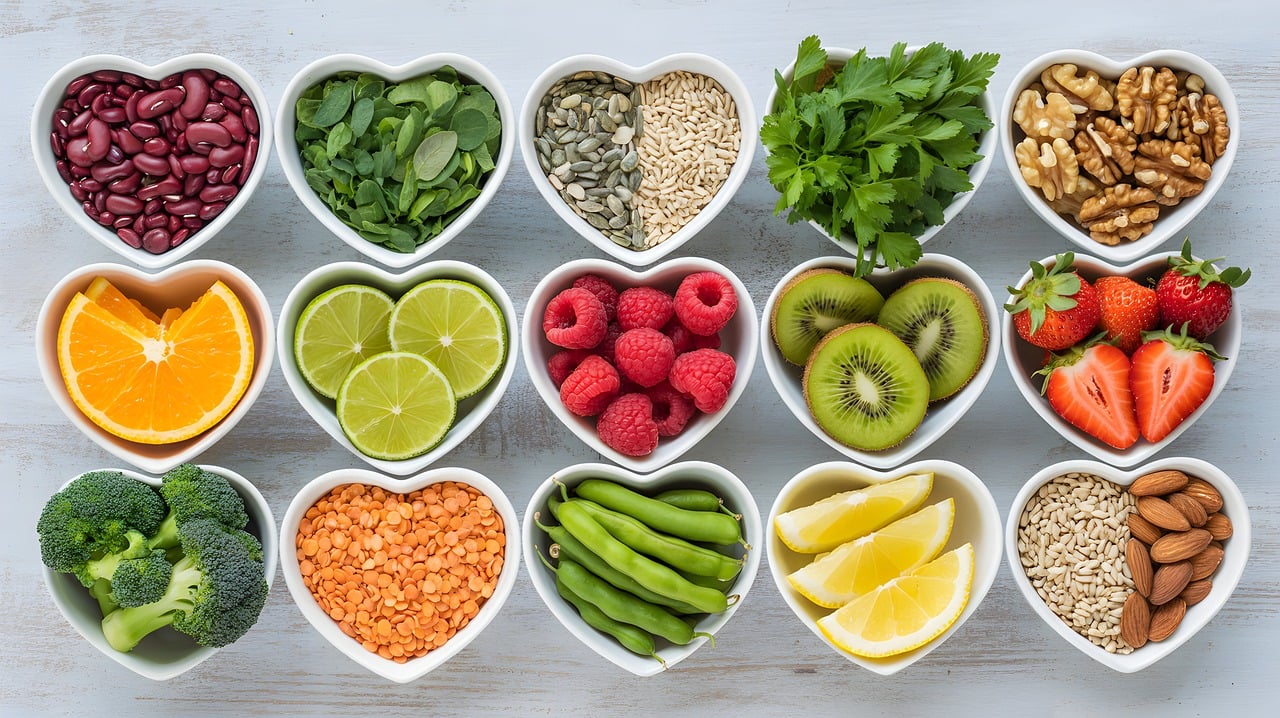
Opting for nutrient-dense foods is essential for moms during pregnancy and breastfeeding. Focus on selecting ingredients that pack a punch in vitamins and minerals compared to their calorie count. Foods rich in omega-3 fatty acids, like salmon or walnuts, support brain development in babies. Leafy greens like spinach and kale are excellent sources of iron and important vitamins. Consider adding legumes, nuts, and seeds, packed with fiber and protein, to your meals. Additionally, whole grains keep your energy stable and increase satiety. Lean proteins are crucial for recovery and maintaining strength; thus, rotate various options in your meal prep. Experiment with quinoa, chicken, tofu, or lentils for diverse meals that nourish. Including colorful fruits is also vital for antioxidants that support overall health. Keep a variety of foods on hand for versatility; this way, you ensure you meet micro and macronutrient needs. Every bite counts during this crucial period of growth, so prioritize quality over quantity. By making conscious food choices, you provide your body with energy-rich nutrition that supports you and your baby’s development.
Staying hydrated during pregnancy and breastfeeding is often overlooked yet is incredibly important. Preparation for hydration should be part of your meal prep routine. Create a system to ensure you are drinking enough water throughout the day. Fill a large water bottle and keep it within reach as you go about your tasks. Infusing water with fruits like lemon, berries, or cucumber can encourage more regular intake. Eating hydrating foods such as cucumbers, strawberries, and watermelon can also contribute to your fluid needs. Awareness of your fluid needs increases, especially if you are breastfeeding. Keeping track of water intake with apps or water bottles marked with time goals can be encouraging. Pair hydration with meals and snacks to develop a routine. Test different temperatures too; some prefer drinking cold water, whereas others enjoy warm beverages. Hydration not only helps maintain energy levels but also supports milk production. Prioritize your fluid needs, especially during busy days filled with feeding and caring for a baby. Staying hydrated is an essential aspect of your health and well-being, contributing to a smoother parenting journey.