
DIY Post-Workout Snacks: Save Money and Eat Well
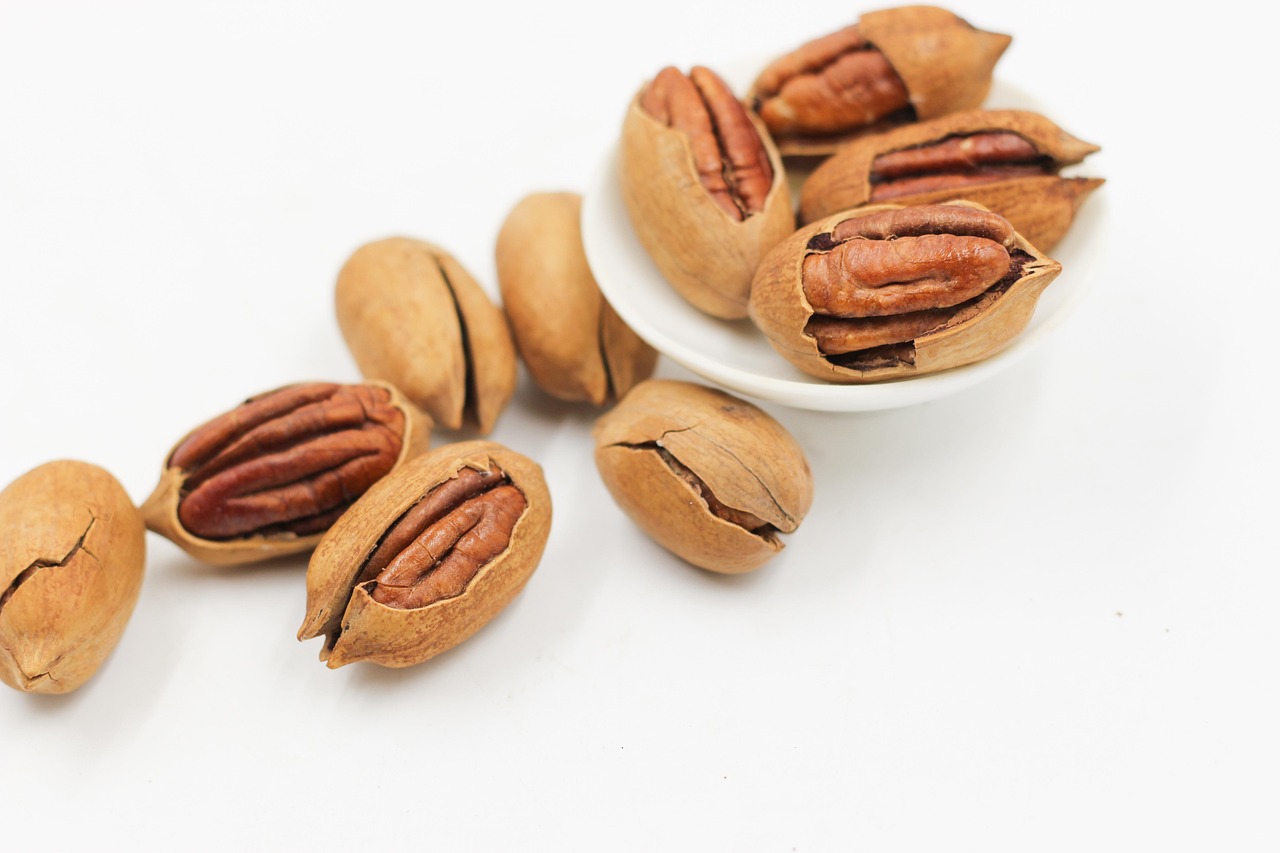
Eating well after a workout doesn’t have to break the bank. Snacking smartly can save you money while still meeting your nutritional needs. One of the best approaches is to choose snacks made from whole foods. For instance, opt for bananas or apples, which are both affordable and nutritious sources of carbohydrates. They provide energy and help replenish glycogen stores after your exercise session. You can also prepare your own trail mix using bulk nuts, seeds, and dried fruits. This allows you to customize your snack to fit your taste without overspending. Additionally, consider making homemade protein bars; they are simple to prepare and can be tailored to your dietary preferences. Ensuring that you have a good mix of macronutrients like carbs, proteins, and fats will maximize recovery. Always keep in mind the benefits of hydration as well, so having a reusable water bottle on hand is essential. By being strategic about your snacks, you can effectively manage your post-workout nutrition budget while still fueling your body properly.
Budget-Friendly Snack Options
One effective way to save on post-workout snacks is to focus on versatile, low-cost ingredients. For example, oats are not only cheap but also very nutritious. You can make overnight oats or simply cook them quickly after working out. Add peanut butter for protein and some honey for sweetness. Eggs are another great option; they are packed with protein and can be boiled in advance for easy snacking. Simple vegetable smoothies can include spinach or kale blended with fruit, which can be a refreshing, nutrient-dense choice. Buying seasonal fruits and vegetables can also help lower costs. Utilizing a weekly meal prep session can streamline your cooking and save money. Buy items in bulk when possible to further cut costs. Remember, portion control is vital; pre-packaging snacks can prevent overeating. Take advantage of grocery store discounts and sales, making meal planning a key aspect of saving money. Overall, managing a nutrition budget is about planning ahead and being creative with your food choices. Smart shopping habits can help you achieve financial and health goals alike.
Incorporating legumes like beans and lentils in your post-workout snacks can also be a smart financial move. They are inexpensive sources of both protein and fiber, and they can be easily added to salads or blended into a smoothie for a unique twist. Making homemade hummus using chickpeas, tahini, and olive oil is an excellent snack that sets you up for successful recovery without overspending. Consider investing in some basic kitchen equipment, such as a good blender or food processor; these items can be incredibly helpful for preparing quick snacks at home. Purchase whole grains like quinoa or brown rice in bulk, and add these as bases to your meals for extra energy. Layering different components will allow for satisfying variety in your snack routine. When you prepare food yourself, you can control the ingredients and ensure that they’re healthy and wholesome. Additionally, utilizing herbs and spices can add flavor without extra cost, making healthy eating an enjoyable experience. By focusing on home-cooked snacks packed with nutrition, you can significantly reduce your post-workout nutritional expenses.
Making Healthy Decisions
One of the most effective ways to stay on budget while ensuring you’re getting the nutrition you need post-workout is to be resourceful with leftovers. After preparing your meals, always identify components that can be turned into snacks. For instance, leftover chicken or turkey can be shredded and paired with whole-grain crackers, creating a protein-packed treat that also tastes delicious. Use whatever grains or vegetables are left from dinner and sprinkle them into salads. These can then double as quick snacks when you’re feeling hungry. Having a few standard recipes that utilize common ingredients can simplify meal preparation and minimize waste. Remember that preparing bulk snacks not only saves money but also cuts down your prep time throughout the week. Keep a list of your favorite go-to recipes for snacks that are both budget-friendly and nutritious. Being mindful of what you purchase and preparing food in advance can provide substantial savings over time while keeping your diet interesting and varied.
In addition, a high-protein post-workout snack option is Greek yogurt. It’s packed with protein and can be sweetened easily with honey or fresh fruits. Buying it in larger containers instead of single-serving packs can be more cost-effective. Pairing yogurt with granola can also provide healthy carbohydrates needed after an intense workout. Additionally, buying flavorings and toppings in bulk could help you save further. A very affordable way to enhance the taste of your snacks is through powerful spices like cinnamon or vanilla extract. Baking your own healthy muffins or cookies can make for a satisfying post-workout treat; opt for whole grain flour and natural sweeteners. This not only allows for controlling the ingredients but also can be significantly cheaper than store-bought options. Utilizing meal prep containers can help keep snacks organized and fresh. Overall, being mindful and strategic about what you eat after working out can lead to substantial savings without compromising on taste or nutrition.
Stretching Your Budget Further
It’s also essential to focus on making a grocery list before shopping; this helps keep your budget intact by preventing impulse buys in the store. Stick to the perimeter of stores where fresh produce and whole foods reside, as these items tend to be healthier and less processed. Another important aspect is to take advantage of local farmers’ markets; they often offer fresh, locally sourced produce at lower prices than traditional grocery stores. Moreover, growing your own herbs or vegetables can be an incredible way to cut costs. Even if you have limited space, container gardening can produce a small harvest that includes herbs or greens. Remember to keep an eye out for meat sales or bulk options, as purchasing larger quantities can save you money over time. When deciding to purchase frozen fruits and vegetables, ensure they are unprocessed to avoid unnecessary additives. Plan your meals around what’s on sale to enhance your budget efficacy while still enjoying varied nutrition every week.
Finally, it’s crucial to remain flexible with your snack choices; sometimes, unexpected costs can arise, and having a plan can help alleviate stress when it comes to post-workout nutrition. Rely on pantry staples, and think creatively about combining them. Make sure to rotate your pantry items to avoid waste and expiration. Educating yourself about nutrition can also lead to being more mindful about what you consume. Online resources can provide inexpensive and healthy snack ideas. Engage with community groups or forums that promote meal prepping and budgeting tips. This exchange of knowledge might uncover some great recipes you hadn’t considered. Most importantly, prioritize quality over quantity in your post-workout snacks. Ensure you’re not just filling up but also fueling your body properly to aid recovery. This proactive approach can have lasting benefits for your well-being while ensuring you stick to your budgetary goals. Ultimately, eating well post-workout doesn’t have to be costly if you are mindful and strategic.
In conclusion, prioritizing your post-workout nutrition doesn’t equate to overspending. Implementing a DIY approach using budget-friendly ingredients ensures you stay fit and satisfied. It involves creativity, planning, and consistent mindfulness about what goes into your snacks. Focus on wholesome, minimally processed foods that offer maximum nutritional value at affordable prices. This not only aids your recovery but also brings in a variety of flavors and textures. With a bit of effort in meal planning, learning about local resources, and connecting with communities sharing similar values, your nutrition can improve without compromising your finances. Engage in regular discussions around food budgeting and meal prepping within your circles; it will help reinforce your commitment to healthy eating. Always remember, investing time upfront can lead to more extensive benefits down the road. Utilize the seasonal advantages and bulk-buying opportunities where possible. Adapting your habits will pave the way for better eating patterns while remaining budget-conscious. DIY snacks are just the beginning of a rewarding journey towards nutritious eating without breaking the bank.