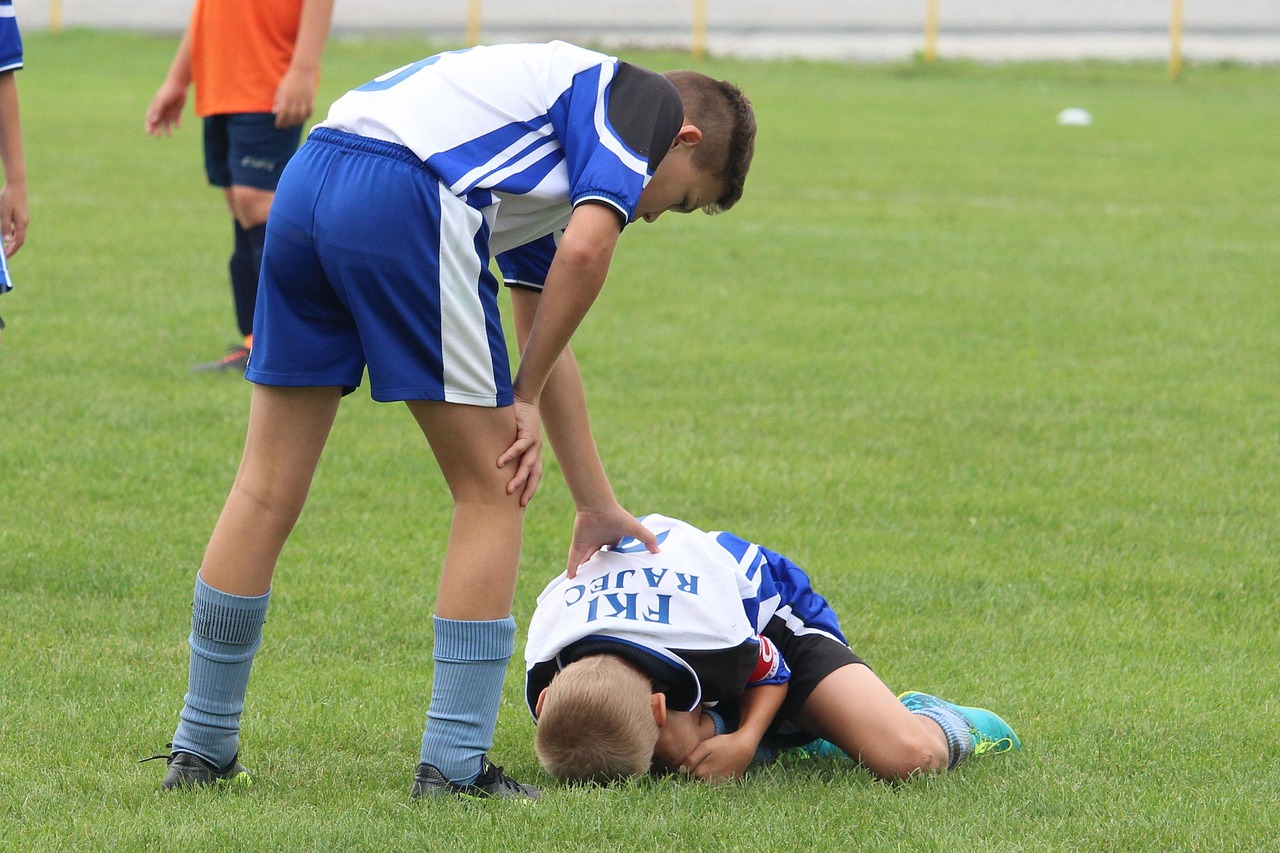

The Role of Proper Technique in Avoiding Injuries Among Teens
In today’s fast-paced world, ensuring the safety of teens during their fitness routines is paramount. Many young individuals engage in various physical activities, from sports to gym sessions, but they often lack proper technique. Mastering correct techniques is essential to help avoid injuries. By incorporating proper movement patterns, teens can minimize strain on their bodies and develop strength effectively. Engaging a professional coach or trainer can significantly enhance their understanding of specific exercises. This instruction not only ensures they perform movements correctly but also builds confidence. Recognizing the importance of proper technique will foster a safer engaging fitness environment for all. Not just at a physical level, proper technique promotes overall well-being. It transforms fitness into a fun, enjoyable activity while mitigating injury risks. Parents and guardians should emphasize the importance of learning the right techniques early on. Proper education can instill lifelong fitness habits, shaping teens’ attitudes toward physical activity. Ultimately, prioritizing proper technique is a critical step toward preventing injuries and encouraging a healthier lifestyle among the youth.
Every young athlete is unique, and their training should be tailored accordingly. Individualized programs allow for proper technique and coach-led instruction, which aids in injury prevention. Coaches should assess their athletes’ strengths and weaknesses, ensuring that each program fits their specific needs. As they progress, athletes receive valuable feedback on their technique, allowing them to make necessary adjustments. This customization helps keep them engaged while focusing on injury prevention. A structured warm-up routine is also vital; it prepares muscles for rigorous activities. Developing flexibility and strength through targeted warm-ups greatly reduces the risk of injury. Stretching exercises and mobility drills should be incorporated into every session. Additionally, establishing a proper cooldown routine is essential after workouts to help prevent soreness and tightness. This prevents injuries that can occur from insufficient recovery time. Finally, teaching athletes about self-monitoring their bodies during exercise can foster awareness. They must learn to recognize signs of fatigue or strain, prompting them to take breaks when necessary. By fostering an environment that encourages individualized training while prioritizing nutrition and hydration, teens can engage safely in physical activities.
Importance of Feedback and Supervision
Offering constructive feedback throughout their training helps teens refine their technique. Regular assessments can pinpoint areas for improvement and reinforce good practices. Coaches or trainers should maintain open lines of communication, encouraging questions and discussions. This positive environment fosters growth, allowing teens to gain confidence in their abilities. Additionally, supervising workouts ensures each teen adheres to proper techniques during execution. Athletes must be guided through exercises, which helps prevent common mistakes. Direct supervision actively reduces the risk of injuries that may arise from improper movement patterns. In this way, instructors play a crucial role in injury prevention. Furthermore, using video analysis can also aid in educating teens about their techniques. Reviewing recordings together provides valuable insights. This technique allows them to visualize execution and identify mistakes firsthand. Visual aids can be extremely impactful for youth learners, blending education with engagement. Additionally, frequent practice of proper techniques will solidify these skills. As athletes enhance their abilities, they will naturally develop better form and minimize injury risks. Empowering open feedback channels creates informed teens who will prioritize safety in their fitness journey.
Incorporating variety in training regimens can also be beneficial to injury prevention. Rotating through different exercises and activities helps work on various muscle groups, preventing overuse injuries. Engaging in diverse workouts keeps fitness routines fresh and enjoyable. It encourages youth to explore different sports, enhancing their overall physical literacy. Exposure to multiple activities builds a well-rounded foundation, reducing the chances of falling into single-sport specialization too early. Early specialization increases the risk of burnout and injuries in youth undergoing intense training. Additionally, ensuring athletes understand rest and recovery is crucial. Schedule regular evolving periods for rest and relaxation in their routines, aiding muscle recovery and adaptation. Young athletes need time to rebuild their strength and improve their fitness. Educating them on the importance of rest days emphasizes long-term health. Proper hydration and nutrition cannot be overlooked in this discussion either. Fueling their bodies with essential nutrients boosts energy levels, promoting overall well-being. Hydration aids in muscle function during exercise. Teens should be encouraged to make healthy dietary choices and remain hydrated to enhance performance in their fitness endeavors.
Creating a Supportive Environment
Neither fun nor engaging fitness activities can replace the need for a supportive environment in injury prevention. Having an encouraging and positive space promotes a healthy mindset among teens. Parents, coaches, and peers should all play active roles in fostering teamwork and unity. This collaborative approach inspires confidence and motivates individuals to strive for their best. Encouragement from peers can push young athletes to try new techniques and increase their skill level while combating fear of injury. Such spaces cultivate friendships and relationships built on shared experiences. Furthermore, creating safe and accessible fitness locations is vital for injury prevention. Teens are more likely to participate in activities when they feel comfortable. Safety measures like proper equipment, padded surfaces, and appropriate training areas significantly reduce the risk of accidents. Alongside this, incorporating regular safety classes or workshops will not only create awareness but also instill fun in learning. These initiatives make learning proper techniques engaging and memorable. As awareness grows, teens become more informed about injury prevention strategies, enabling a proactive approach. A supportive atmosphere promotes accountability for one’s fitness journey, leading to safer and more positive experiences.
Finally, one of the key components to preventing injuries among teens is fostering a mindset of personal responsibility. Educating teens about their health and fitness methods will empower them to take charge of their well-being. They must learn to recognize their body’s own limits, need for rest, nutrition requirements, and the necessity of proper techniques. By instilling this responsibility, teens will make informed decisions regarding their training and physical activities. Injuries may stem from pushing too hard or ignoring pain signals. Therefore, developing a mindset that values health over competition is critical. Encouraging healthy communication with trainers about any concerns allows young athletes to express their needs. Understanding the finite limits of one’s body will promote long-term fitness goals. Additionally, emphasizing the importance of building camaraderie within their fitness community will keep motivation high. Training with others fosters a support network, allowing teens to share experiences and challenges. With a dedicated approach to injury prevention, teens will secure their fitness journeys. They will create healthy, active lifestyles that prioritize long-term health and well-being, ultimately breaking barriers toward a successful fitness future.
In conclusion, minimizing injuries among teens in fitness environments relies heavily on teaching proper techniques. Emphasizing the role of personalization, feedback, and supportive atmospheres makes a substantial difference in their experiences. Through tailored fitness routines, teens can develop their skills while fostering responsibility and awareness of their limits. Creating supportive training environments encourages friendships and collaboration, reducing feelings of isolation. By engaging teens in a well-rounded fitness journey, they cultivate positive experiences that will stay with them for years. The importance of proper technique cannot be overstated; it serves as a foundation for a healthy lifestyle. Injury prevention through early education leads to active participation in various activities, enriching their lives and safeguarding their health. Ultimately, strong advocacy for proper techniques will shape a future filled with fitness, positivity, and resilience. Teens are likely to thrive in environments presented with the right education and support. Making informed and responsible fitness choices today promotes fitness enjoyment tomorrow. Together, we can support a generation of healthy, active teens prioritizing their well-being for a lifetime.