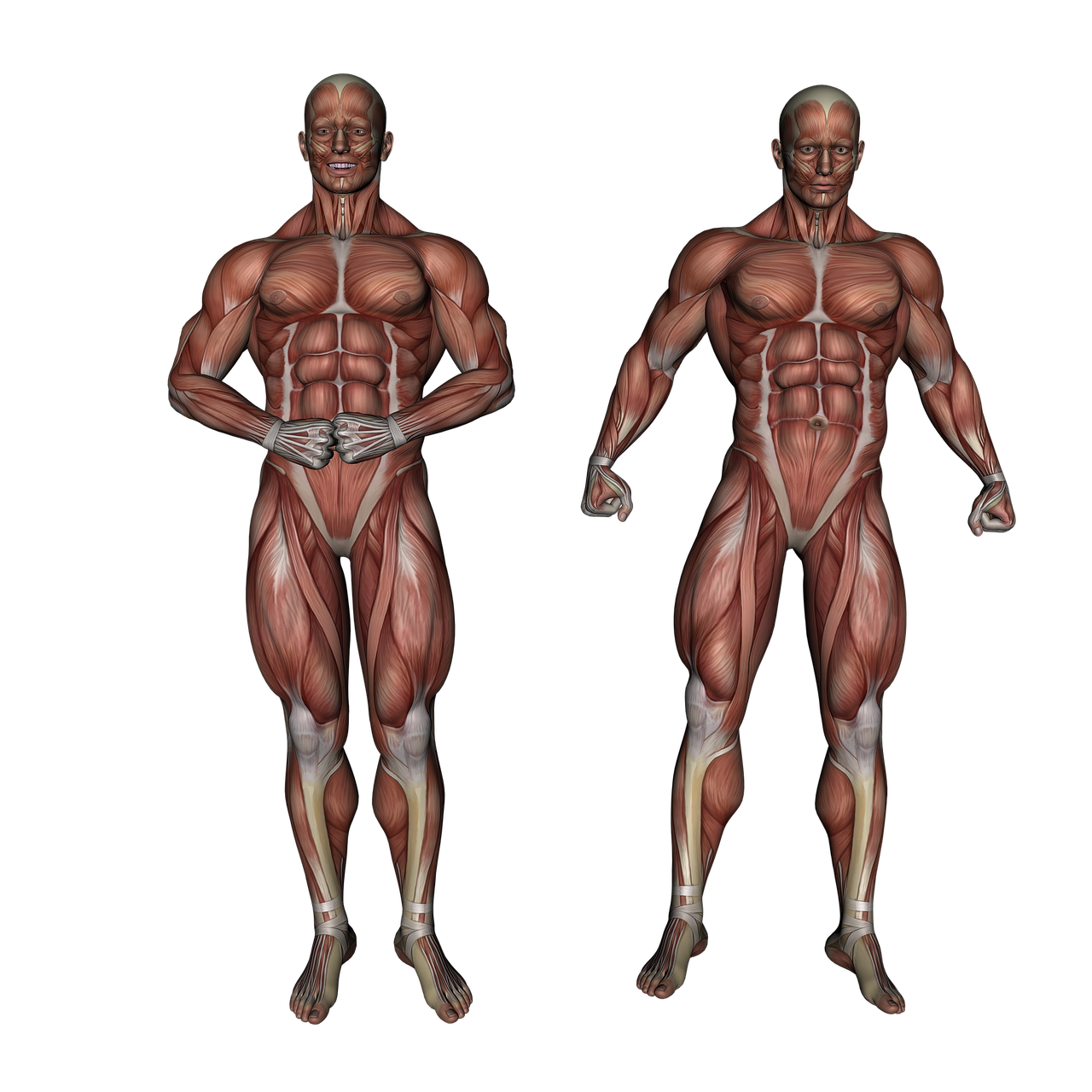

The Importance of Lean Muscle Mass in Overall Health
Understanding body composition is crucial for maintaining good health. One essential aspect of this is the amount of lean muscle mass a person has. Lean muscle mass includes not just the muscles but also organs, bones, and fluids necessary for the body to function effectively. It plays a vital role in metabolism, as muscles burn calories even at rest. This is important for weight management, as increased muscle mass can help prevent obesity by improving metabolic rates. Moreover, having more lean muscle mass enhances physical performance and increases strength. It is particularly important for older adults, who often lose muscle mass with age, leading to frailty and a higher risk of falls. Engaging in resistance training and physical activities specifically designed to build muscle can combat this loss. In addition, focusing on nutrition that supports muscle growth—such as high-quality proteins—is essential. Understanding the significance of lean muscle can empower individuals in community programs to prioritize activities enhancing overall health. With this knowledge, community awareness can be raised to emphasize fitness and strength training initiatives for all ages.
Benefits of Lean Muscle Mass
One of the primary benefits of having sufficient lean muscle mass is its impact on physical health. Muscle tissue is metabolically active, meaning that it requires energy to maintain itself, which, in turn, burns calories. This factor can significantly aid in weight management, as a higher ratio of muscle to fat can reduce body fat percentage effectively. Increased lean muscle mass also translates to improved insulin sensitivity, reducing the risk of type 2 diabetes. Furthermore, strong muscles facilitate daily activities, providing the power needed to lift, carry, and perform various tasks. Those with higher muscle mass often report enhanced stamina and decreased risk of injury during physical endeavors. Additionally, maintaining and building lean muscle can improve bone density, thus lowering the chances of osteoporosis, particularly in aging populations. This dual benefit contributes not only to immediate physical capabilities but also to long-term health outcomes, allowing individuals to lead independent, active lives. It is important to encourage participation in fitness programs tailored to promote muscle strength and endurance, fostering an overall sense of well-being in the community.
Lean muscle mass also has significant implications for mental health. Numerous studies reveal that regular exercise, particularly strength training, releases endorphins and can improve mood. Engaging in these physical activities can alleviate symptoms of anxiety and depression while boosting self-esteem. Individuals who focus on building lean muscle often feel a sense of accomplishment and empowerment as they see improvements in their physical abilities. This active lifestyle can foster social connections through group exercise classes or community sports teams, building relationships while improving mental well-being. Furthermore, setting fitness goals related to muscle development can provide motivation and a clearer purpose, leading to overall higher life satisfaction. Communities can play a role here by organizing workout groups focused on resistance training, where participants offer encouragement and support to one another. It is vital for initiatives to highlight the link between physical activity and mental health, thus encouraging more individuals to participate in these programs. There is a direct relationship between a robust body composition and enhanced quality of life, particularly through the cultivation of lean muscle mass. Engaging community members becomes a powerful tool for promoting lasting health.
Nutrition and Lean Muscle Mass
Nutritional choices significantly influence the development and maintenance of lean muscle mass. Consuming high-quality proteins, such as lean meats, legumes, dairy, and nuts, provides the essential amino acids needed for muscle repair and growth. These nutrients support recovery after resistance training sessions and everyday physical exertion. Carbohydrates and healthy fats also play important roles, as they provide the necessary energy for workouts and overall bodily functions. A well-rounded diet incorporating these macronutrients is key to building muscle and optimizing performance. Additionally, hydration is an often-overlooked aspect of nutrition that can affect muscle function and recovery. Proper fluid intake is crucial during workouts, as even mild dehydration can impair performance and slow recovery. For community initiatives promoting muscle health, it is important to include nutrition education alongside fitness programs. Workshops focusing on meal planning and healthy eating can empower individuals to make choices beneficial for their body composition. By linking nutrition and muscle development, comprehensive community programs can enhance participants’ understanding of how diet and exercise synergistically work to improve health outcomes long-term.
Moreover, inclusivity is an essential aspect when developing community programs geared towards improving lean muscle mass. Tailoring fitness initiatives for differing age groups, fitness levels, and abilities is essential to effectively reach and engage all community members. Programs should include modifications that allow everyone to participate safely, ensuring that individuals with limitations still reap the health benefits of resistance training and other muscle-building activities. Additionally, incorporating social elements in these fitness programs can enhance participation rates, as people tend to enjoy exercising with others. For example, organizing fitness challenges or groups fosters accountability and encouragement. Community centers can serve as hubs for these initiatives, providing resources, equipment, and skilled instructors to guide participants along their fitness journeys. Creating an environment that supports inclusivity and encouragement ensures that individuals remain motivated to cultivate lean muscle mass, ultimately leading to broader community health benefits. Collaborating with local organizations and resources will enhance such programs’ visibility, ensuring that everyone knows the importance of strength training for improving overall health.
Long-Term Health Implications
In conclusion, the importance of lean muscle mass extends beyond aesthetics, impacting overall health and well-being over the long term. As highlighted, higher muscle mass correlates with a range of health benefits, including a lower risk of chronic diseases like obesity and diabetes. Muscle also plays a protective role against injury by aiding in better balance and coordination, essential aspects of daily activity, particularly in older adults. Furthermore, higher lean muscle mass can optimize functional strength, which supports independence as individuals age. Public awareness campaigns emphasizing the critical role of muscle health can lead to widespread recognition of its significance in maintaining longevity. It is also essential that communities provide access to resources and educational materials focused on strength training fundamentals and nutritious eating practices. In doing so, community programs can foster a culture where physical activity and nutrition are prioritized, promoting healthier lifestyles. Engaging all individuals in the community ensures a collective approach to improving public health outcomes. By prioritizing lean muscle development, society as a whole can benefit from enhanced quality of life and reduced healthcare costs associated with chronic diseases.
To sum up, embracing the importance of lean muscle mass within community programs enhances public health. From fitness initiatives aimed at various age groups to nutrition education linked to muscle development, successful programs can cultivate healthier habits. The benefits of an active lifestyle, both physically and mentally, encourage participants to continue their fitness journeys while forging social connections with peers. Moreover, the relationship between nutrition and lean muscle underscores the need for comprehensive approaches to fitness that include dietary support. Communities must come together to create inclusive environments where everyone can engage in activities focused on improving muscle health. Awareness and understanding of the profound impacts of lean muscle on life satisfaction can drive individuals to prioritize strength training and other related activities. Through collective effort and commitment to fitness, communities can foster health promotion, ensuring a robust future for all members. Investing in muscular health is an investment in better quality of life and reduces the burden of disease in society. It is vital that we continue to explore ways to support individuals in their journey to achieve optimal body composition.
Encouraging the pursuit of lean muscle mass within community programs showcases the collaborative efforts needed to address broader public health issues. By fostering an environment focused on physical fitness and healthy eating, communities can develop a comprehensive strategy to combat obesity and chronic diseases. Activating an engaged network around healthy living will lead to numerous positive outcomes, including higher levels of physical activity and improved emotional resilience. Local governments and organizations must take the lead in promoting these initiatives, using available resources to provide necessary tools. Moreover, engaging local healthcare providers can enhance initiatives, offering guidance and resources tailored to the community’s unique needs. Measuring success through community involvement and feedback will inform program adaptations, ensuring relevance and effectiveness. Ultimately, elevating lean muscle mass to a community priority will create ripples that extend far beyond individual participants, positively impacting public health for generations. Encouraging mutual support among participants and creating various programs such as fitness challenges and nutritional workshops can facilitate lasting change. The commitment to fostering muscle health should become a cornerstone of public health efforts, constantly adapting to meet emerging trends and community needs.