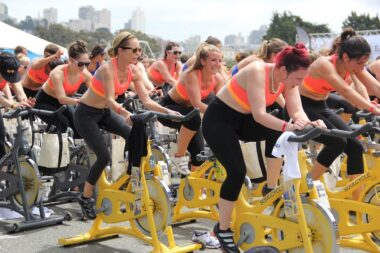

Sustainability of Community Fitness Initiatives Focused on Chronic Disease
The rise of chronic diseases, such as diabetes and heart disease, necessitates effective community fitness initiatives. These programs aim to improve overall health by promoting physical activity and wellness among community members. Sustainability is crucial, as ongoing support and engagement from the community are essential. Building partnerships with local organizations, healthcare providers, and fitness professionals can enhance program longevity. Moreover, leveraging existing resources, such as parks and community centers, provides accessible venues for exercise. Fostering a supportive environment where residents are encouraged through various outreach methods is also vital. Integrating educational workshops on nutrition and fitness can empower individuals to make healthier choices. Programs must also remain adaptable, incorporating feedback from participants to remain relevant. Engaging local media can further boost awareness, reaching a broader audience. Funding is another critical aspect, with grants and sponsorships potentially providing necessary financial backing. Lastly, evaluating program success through metrics like participant retention and health outcomes ensures that the initiatives continue to meet community needs effectively.
Successful community fitness initiatives are built on strong foundations of collaboration and communication. Engaging local stakeholders, such as schools, recreational facilities, and healthcare providers, lays the groundwork for a supportive network. By partnering with these entities, initiatives can reach diverse populations, thereby maximizing participation and impact. Regular communication about available resources and programs is essential to maintain community interest. Creating promotional materials—such as flyers, newsletters, and social media posts—can keep the community informed. Furthermore, encouraging local leaders to advocate for fitness programs can amplify messages. Workshops and events can serve dual purposes: educating participants and strengthening community bonds. Incorporating residents’ feedback into program design fosters a greater sense of ownership among participants. When individuals feel a personal connection to initiatives, they are more likely to remain actively involved. Continuous assessment of community needs through surveys and focus groups can help refine offerings. The implementation of user-friendly technology, like mobile apps for tracking fitness progress, can facilitate ongoing participation. Ultimately, building a culture that values health and fitness ensures long-term success for these initiatives.
Community-focused fitness initiatives should prioritize inclusivity to ensure that everyone benefits from the programming. Accessibility for individuals with disabilities and accommodating different age groups and fitness levels are vital components. Tailoring activities to various demographics fosters greater participation and satisfaction. Group classes that consider the unique needs of low-income or underserved populations can bridge gaps in health disparities. Programs should incorporate activities suitable for all abilities, such as walking clubs or adaptive sports. Training community leaders and volunteers to support these efforts ensures that everyone has a role in the initiative. Additionally, offering virtual options expands reach, allowing those unable to attend in-person events to participate. Establishing peer support systems can encourage accountability and motivation among participants. Regular success stories shared through newsletters or community boards can inspire others to join. Moreover, facilitating family-oriented events promotes health-focused habits at a young age. Parenting workshops can equip families with knowledge on maintaining a healthy lifestyle. Overall, engaging the entire community ensures an inclusive approach, fostering lasting change and healthier lifestyles for all.
Measuring Success and Impact
To determine the effectiveness of community fitness initiatives, it is essential to set measurable goals and regularly evaluate progress against them. This process includes both quantitative and qualitative assessments. Establishing a baseline health status for participants allows for meaningful comparisons over time. Tracking metrics such as weight loss, increased physical activity levels, and improved health outcomes can provide concrete data regarding program effectiveness. Surveys collecting participant feedback can illustrate satisfaction levels and areas for improvement. Developing partnerships with local health agencies can also facilitate data collection regarding chronic disease prevalence in the community. Furthermore, hosting events that promote physical activity can serve as both a community celebration and an opportunity for data collection. Encouraging participants to share their experiences, both successes and challenges, creates a feedback loop that can enhance future programming. Regular reporting of progress to stakeholders reinforces accountability and transparency. This not only fosters trust and support from the community but also highlights the importance of sustained investment in health initiatives. Ultimately, a focus on measurable success ensures accountability and helps maintain momentum for future fitness initiatives.
Creating a culture of fitness within communities involves engaging a wide variety of stakeholders in the planning and implementation processes. This collaborative approach ensures that initiatives are tailored to address specific community needs and preferences. Involving community members from the start emphasizes their importance in shaping programming. Additionally, engaging local leaders can mobilize resources essential for the initiative’s sustainability. Working with schools, physicians, and local businesses can lead to cross-promotion and shared resources. For example, partnering with area schools may yield opportunities for students to participate in fitness activities during physical education. Moreover, utilizing local businesses for sponsorships provides financial support while fostering greater community involvement. Community events, such as health fairs or fitness challenges, can generate enthusiasm and awareness. Branding initiatives with a recognizable logo or slogan can enhance visibility and recognition. Incorporating fun and competitive elements encourages participation and fosters camaraderie among residents. Ensuring that programs are enjoyable increases the likelihood of sustained engagement. When the community feels a shared responsibility, the collective impact can promote healthier lifestyles and significantly reduce chronic disease rates throughout the area.
Long-term Strategies for Sustainability
Developing long-term strategies for the sustainability of community fitness initiatives necessitates a proactive approach that anticipates future challenges. Establishing a clear mission and vision lays the groundwork for ongoing relevance and adaptability. Diversifying funding sources enhances stability; initiatives should seek grants, sponsorships, donations, and even participant fees when appropriate. Furthermore, training community members as leaders and facilitators ensures knowledge transfer and capacity building for future generations. Create mentorship programs for emerging leaders to foster a culture of leadership that sustains engagement. Employing various promotion strategies is also vital for sustaining interest over time. This may include hosting challenges or events that continuously attract varied groups. Additionally, feedback collection mechanisms enable initiatives to evolve according to community needs. Utilizing technology, such as social media platforms and fitness applications, can bring activities directly into homes, encouraging participation. Collaborating with healthcare providers to track health improvements among participants can further reinforce the initiative’s value. Lastly, building a culture of accountability among participants fosters collective responsibility for program success. A sustained commitment to chronically healthier lifestyles lies at the heart of these successful community fitness initiatives.
To ensure the success of community fitness initiatives that target chronic diseases, effective communication strategies are essential. Outreach through social media, local newspapers, and community meetings can enhance awareness. Marketing campaigns that highlight success stories can inspire participation and underscore benefits. Regular updates and engaging content, like video testimonials from participants, create a sense of community and shared purpose. Utilizing local influencers to promote the program through fitness demonstrations or challenges could further increase reach and credibility. Creating visually appealing educational materials can grab attention while providing valuable information on fitness and chronic diseases. Additionally, incorporating interactive elements, such as workshops or health fairs, fosters an engaging atmosphere where residents can learn practical tips and tricks. Also, collaboration with local schools and businesses can facilitate access to broader audiences. Utilizing local radio stations for information dissemination can also help reach those who may not engage with digital platforms. Incorporating calls to action in communications encourages community members to get involved. Emphasizing the benefits of participation and the risks associated with sedentary lifestyles creates a powerful impetus for involvement in local fitness initiatives.
In conclusion, the sustainability of community fitness initiatives focused on chronic disease is a multifaceted endeavor requiring ongoing commitment and collaboration. Strategies must encompass inclusivity, adaptability, and effective communication to meet the unique needs of the community. Engaging stakeholders not only enhances participation but also strengthens program resilience through shared responsibility. Encouraging a culture of fitness that involves families, schools, and local organizations is paramount. Funding stability, evaluation of impact, and the establishment of strong leadership can dramatically affect an initiative’s longevity. By focusing on measurable goals and utilizing innovative outreach methods, communities can foster healthier lifestyles over time. Successful examples can inspire other regions to adopt similar programs. Raising awareness about chronic disease risks and promoting accessible, enjoyable fitness opportunities can lead to significant improvements in public health. Ultimately, the collective effort to prioritize community fitness will not only enhance individual well-being but will also strengthen the fabric of the community itself. As these initiatives flourish, they pave the way for a healthier future. Committing to the health of the community lays a foundation for generations to come, ensuring that everyone can lead healthier, more fulfilling lives.