
Easy Stretching Routines for Families to Do Daily
Integrating fitness into families’ daily routines may seem challenging. However, involving everyone, especially kids, can make it fun and essential. Stretching together not only improves flexibility, but it encourages family bonding. Find a time that fits within your daily schedule, perhaps in the morning before breakfast or in the evening before bed. Start with basic stretches that anyone can do, regardless of their fitness level. When families participate in stretching exercises together, it cultivates a healthier lifestyle. To engage children in this practice, make it enjoyable by turning stretches into a game. Use a timer, and challenge each other to see who can hold each stretch the longest. Strong teamwork brings families together and creates lasting memories. You can even create a little competition by introducing different stretch styles. Remember to keep it light and enjoyable, ensuring everyone laughs and participates throughout the practice. Making stretching routines a daily habit helps kids understand the importance of physical health while learning to take care of themselves.
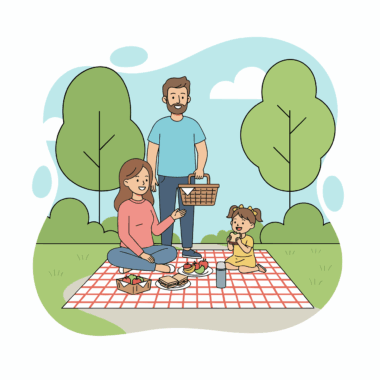
Starting with simple stretches is a great way to introduce fitness to the whole family. Many families enjoy being active together, but that can sometimes be difficult to commit to. Simple stretching routines are perfect for busy parents. Make these a part of your daily ritual without taking too much time. A simple forward bend, reaching towards your toes, allows everyone to feel an instant release in their backs and legs. It’s essential to keep communication open, reminding children to listen to their bodies. Another excellent option is to incorporate seated stretches while reading or watching television. Try out seated side bends, stretching side to side to release tension. Include deep breathing while stretching to maximize relaxation and involve mindfulness. Additionally, discussing how each stretch feels can build body awareness among family members. Getting outside for fresh air while stretching in the backyard or at a local park brings an extra element of fun to the exercise. The more enjoyable the routine, the more likely everyone will be able to continue practicing together daily. Incorporating this into your family’s lifestyle changes the narrative around physical fitness for everyone.
Stretching for Kids and Parents
Teaching kids how to stretch can make them more aware of their physical abilities and overall well-being. Involving parents shows how important it is to take care of oneself. Parents and kids can participate together in fun stretching routines that are both engaging and beneficial. For example, the ‘cat-cow’ stretch is perfect for the whole family. By moving from an arched back to a rounded spine, everyone can enjoy the moment while experiencing the connective movements. Encourage kids to imitate animals, creating laughter while promoting stretching habits. Make it an adventure by creating a safari theme during your routine. Children can experience a lively polar bear stretch or a gentle butterfly stretch to help open their hips. These creative visuals enhance engagement. Try integrating songs to soundtrack your stretching sessions, increasing enthusiasm. Sing songs that get everyone involved in motions to turn stretching into a delightful experience. Use fun music to keep the energy high while practicing control and maintaining good form. This family-friendly fitness can turn a simple exercise into joyful moments of connection and camaraderie as everyone stretches together.
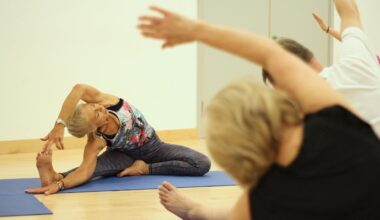
Parent-child stretching sessions can encourage mindfulness and relaxation. Practicing yoga-style stretches helps instill a sense of peace and tranquility in busy lives. Set aside time where everyone can focus on their breath while gently stretching. Breathing in deeply while transitioning into stretches can enhance relaxation. For instance, try the child pose to return to equilibrium after a hectic day. Add gentle movements between various stretches to enable flow. Consider a simple routine: Begin with seated twists to improve the spine’s flexibility, followed by butterfly stretches to maintain hip flexibility. There’s no need for elaborate equipment; bodies are the tools. Use bright-colored mats or towels to create designated stretching spots indoors or outdoors. Prioritize mastering proper forms during stretches to avoid injuries, and reinforce this as a family lesson when participating. Encourage your kids to explore how stretching makes their bodies feel. Overall, these relaxing stretching sessions serve as quality bonding time, aiding in emotional health, and teaching valuable lessons about self-care. They can create a routine that organically weaves into your life, fostering a deep connection with one another.
Creating a Stretching Routine
To seamlessly work stretches into your daily lives, consider making it a routine or a family tradition. Consistency ensures everyone remains devoted to participating regularly. Decide on a time that fits family schedules best – whether it’s just before heading to school in the morning or after dinner each evening before winding down. Choose several stretches that everyone enjoys to engage all family members equally. Make this time enjoyable by introducing themes like ‘Stretching While Watching TV’ or ‘Stretching at the Park,’ where outside elements can help accommodate fresh air along with fitness. Use this as time to discuss everyone’s day while performing stretches. Create a fun challenge by adding new stretches each week. Track the family’s progress over a month to maintain motivation. You might even add a friendly competition for who can hold the most challenging stretches the longest or try new variations first. Remember, staying flexible does not mean only the body; finding inner flexibility regarding your schedule can lead to wonderful overall family dynamics, enhancing everyone’s bonding and enjoyment.
After establishing a stretching routine, focusing on measuring progress becomes essential. Engage family members by tracking goals or marking specific milestones every week. Each family member can represent their achievements on a chart placed somewhere visible, like the fridge. Enhance enthusiasm by implementing a small rewards system, which can motivate kids to achieve new stretch goals. Use stickers as a fun way to celebrate consistency or improvement. Incorporate stretching into video game breaks or as a calming activity in between school subjects for children who are studying at home. Try introducing a weekly stretching showdown, where everyone learns a new stretch together. Encourage family discussions regarding how these stretches feel and influence them physically or emotionally. This experiential learning presents opportunities for bonding time filled with laughter and learning among family members. It’s crucial as family schedules impact awareness, contributing to overall family wellness. Teaching how to embrace stretching and finding enjoyment creates lasting habits focused on families staying active and healthy. Balancing life while prioritizing stretching routines fosters mindfulness and connection.
Conclusion: Making Fitness Fun Together
In conclusion, incorporating easy stretching routines into your family life can enhance both physical and mental well-being while fostering close connections. While it’s important to prioritize health and fitness, ensuring a positive experience makes it likely to last over time. Transform stretching into a cherished family activity by creating games, utilizing music and themes, and adapting based on everyone’s preferences. Encourage a positive attitude towards exercise and healthy habits throughout each practice session. Remember that laughter and fun are crucial components. Additionally, involving children in decision-making regarding stretches or routines will contribute to their motivation levels, ultimately helping them establish positive fitness identities. Continue to evolve these routines with changing schedules, ensuring your family grows together in fitness and health. Regular stretching offers families not just physical benefits but emotional ties that strengthen family bonds. Ultimately, prioritize flexibility both in body and lifestyle, enabling you to navigate the challenges that busy life presents together. By making fitness a family-centered activity, you not only encourage physical health but also cultivate a nurturing environment filled with love and support.