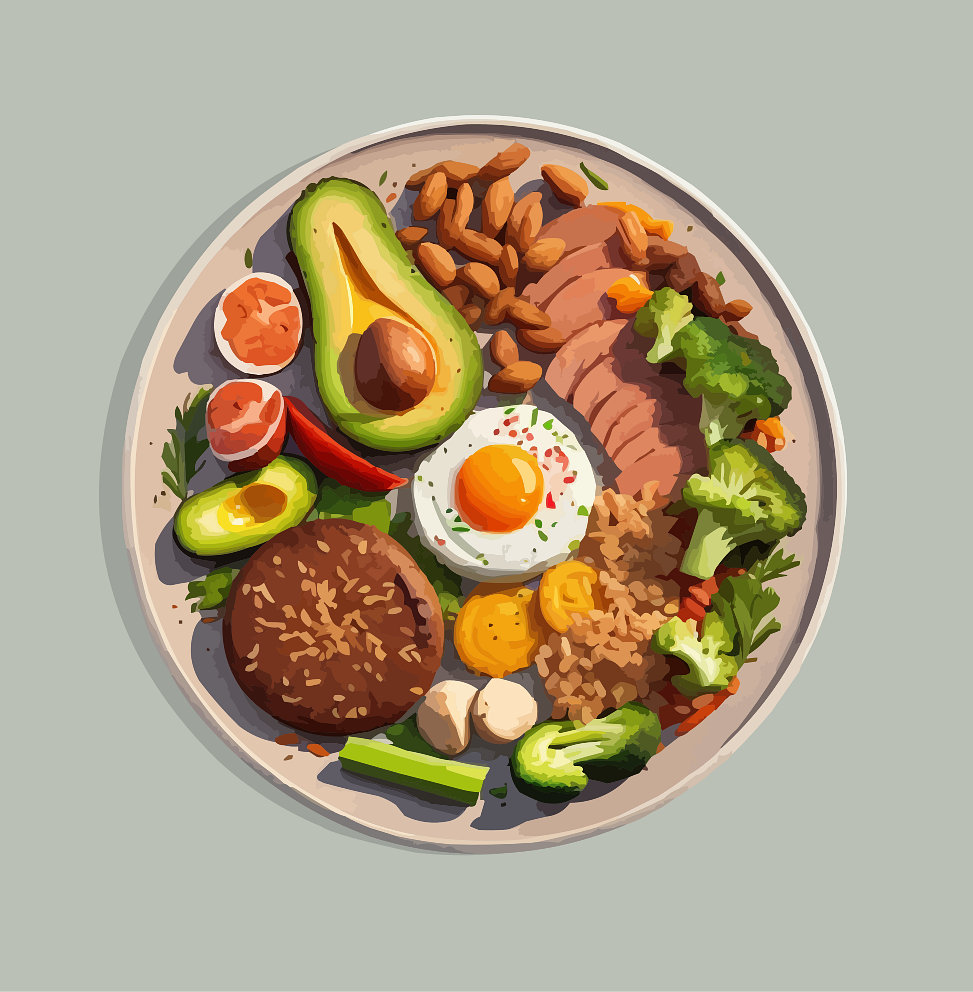

Understanding Net Carbs and Why They Matter in Keto
The ketogenic diet, commonly referred to as keto, has gained popularity for its emphasis on low carbohydrate intake. To fully embrace this diet, understanding net carbs becomes essential. Net carbs are calculated by subtracting fiber and certain sugar alcohols from the total carbohydrates in a food item. This calculation is crucial because fiber offers numerous health benefits and does not significantly impact blood sugar levels. The goal of the keto diet is to enter a state of ketosis, where the body burns fat for energy instead of carbohydrates. By focusing on net carbs, individuals can enjoy a more considerable variety of foods while adhering to their daily carbohydrate limit. Incorporating high-fiber foods, such as leafy greens, nuts, and seeds, supports digestive health while keeping your carb count in check. Learning how to read nutrition labels effectively becomes vital in managing your intake of net carbs while following keto. This methodology allows one to maintain adherence to the ketogenic lifestyle without feeling deprived of essential nutrients. Consider experimenting with different recipes where net carbs are the primary focus to make your meals enjoyable and satisfying.
Net carbs matter significantly in the context of a ketogenic diet because they determine how quickly the body can achieve and maintain ketosis. By limiting your net carbohydrate intake, you compel your body to switch from glucose to fat for energy. This fat adaptation facilitates weight loss and enhances energy levels, making the keto diet an appealing choice for many. However, mistakenly calculating your net carbs can hinder your progress. Therefore, having a practical understanding of which foods contribute to your total carb count is crucial. Fruits, for instance, can be higher in sugar and low in fiber, thus increasing net carbs. It’s best to choose berries in moderation since they typically have lower net carbs compared to other fruits. Furthermore, tracking your net carbs accurately can influence your appetite and energy levels positively. As a new keto dieter, keep a food journal or use tracking apps designed for keto to monitor your net carb intake efficiently. This practice allows you to maintain motivation and offers insight into how certain foods affect your results on the diet. Educating oneself on the importance and calculation of net carbs lays the groundwork for success.
The Role of Fiber in Net Carb Calculation
Fiber plays a pivotal role in supporting a healthy digestive system and should not be overlooked when calculating net carbs. While fiber is a type of carbohydrate, it is not digested by the body in the same way as sugars and starches. This indigestibility means that fiber does not spike insulin levels or contribute to energy, unlike simple carbohydrates. In practical terms, this means you can include high-fiber foods in your diet without affecting your ketosis state negatively. Examples include vegetables such as spinach, kale, and brussels sprouts, which are nutrient-rich while being low in net carbs. Incorporating these choices can also aid in maintaining consistent energy levels throughout the day, thus combating the fatigue many experience when transitioning into ketosis. The recommended intake of fiber for optimal health is between 25 to 30 grams per day, making it vital to choose fiber-rich foods that satisfy your hunger. Meal planning is a helpful strategy to ensure adequate fiber intake while staying within carb limits. As you explore various foods, be aware of portion sizes by regularly reviewing nutrition labels to find balance.
Ultimately, a successful keto diet hinges on understanding the balance between total carbs, net carbs, and fiber. Food choices can greatly impact how your body reacts to the ketogenic diet. For example, many processed foods marketed as low-carb may still contain hidden sugars that negatively influence your net carb count. Therefore, reading labels cautiously and opting for whole, unprocessed foods is essential. Consuming natural fats like avocados, olive oil, and coconut oil can enrich your meals as these provide both flavor and energy. As you plan meals, consider how to incorporate various food groups while being mindful of net carbs. You might create meals that are low in net carbs yet high in flavor, such as zucchini noodles with a rich pesto and grilled chicken. Over time, experimenting with new ingredients will enhance your repertoire of keto-friendly recipes while keeping your meals exciting. It’s invaluable to share your experiences within the keto community, whether online or offline, to gain insights and tips for successful meal prep. Engaging socially enhances motivation and provides support throughout your keto journey.
Practical Tips for Managing Net Carbs
As you start to navigate the ketogenic lifestyle, practical tips for managing your net carbs can make a significant difference. Firstly, always prepare a shopping list focused on whole foods, avoiding processed items as much as possible. Stocking up on healthy fats, fresh vegetables, and quality sources of protein will set a solid foundation for your diet. Secondly, consider meal prepping to save time and avoid impulsive decisions that may lead you to stray from your plan. Meal prepping allows you to have complete control over your ingredients and their nutritional value. Furthermore, keep a digital or physical journal to track your food intake; this can be useful for noticing patterns in your eating habits. In terms of snacking, look for foods that satiate your hunger while being low in net carbs, such as celery sticks with almond butter or hard-boiled eggs. Finally, allow yourself to experiment until you find recipes and foods that work best for your body. Everyone’s response to substances can differ, so being patient and versatile in your choices will lead to long-term success.
Another essential factor to consider when focusing on net carbs in a ketogenic diet is hydration. Drinking enough fluid is vital since a diet low in carbohydrates can lead to quicker dehydration. Furthermore, as the body transitions into ketosis, it tends to excrete more water and electrolytes. Therefore, be proactive about drinking water, aiming for at least half your body weight in ounces daily. Additionally, you should consider incorporating electrolyte-rich beverages, such as bone broth, to replenish vital minerals lost during this transition. Consuming sufficient electrolytes can help prevent the notorious ‘keto flu,’ a symptom some experience when starting the diet. Besides hydration, remember to maintain a balanced intake of micronutrients; this can be achieved with a colorful mix of low-carb vegetables and supplements if necessary. Observing how different food combinations affect your overall well-being is crucial, as some foods may result in cravings or feelings of fatigue. Therefore, staying attuned to your body’s responses can provide valuable information, allowing you to refine your food choices accordingly.
Conclusion: Embracing a Low-Carb Lifestyle
In conclusion, embracing a low-carb lifestyle requires diligence in understanding how to calculate net carbs effectively. The net carb framework enables individuals to enjoy a variety of foods while staying committed to the goals of a ketogenic diet. By prioritizing whole foods and being mindful of fiber intake, your transition to ketosis will likely be smoother and more enjoyable. Moreover, incorporating practical tips helps streamline the process, making it feasible to sustain long-term. It is also essential always to pay attention to bodily signals, as these indicate how well you adapt to the dietary changes you’re making. Engage with the larger community, share your experience, and learn from others on a similar journey. The challenges you face can be overcome with dedication, and your commitment to understanding the nuances of net carbs can lead to a thriving fat-adapted lifestyle. Ultimately, augment your keto experience by exploring new recipes and keeping your diet interesting. Remember, wellness journeys are highly personal, and what works for one person may not work for another, so allow yourself the grace to try new approaches while respecting your unique needs.
The close of this article serves as an invitation to redefine your approach to dieting. By acknowledging the importance of net carbs and their relation to fiber, you’re better equipped to flourish on your keto path. Understanding and actively managing your net carb intake can transform your health and lifestyle. With comprehensive knowledge and practical tips, you’re well-prepared to face the challenges of a ketogenic diet head-on. Prioritize hydration and ensure your meals are low in net carbs while remaining delicious. Your journey promises not only weight loss but also improved energy and overall wellness. Celebrate your achievements, big or small, as you navigate this transformative lifestyle choice. Always remember that the keto diet is a tool, not a one-size-fits-all solution. By fine-tuning it per your specific needs, you can maximize your results and enhance your quality of life. Being proactive about your food choices establishes healthy patterns that extend way beyond a prescribed diet. Let your commitment to understanding net carbs be a launching pad that leads you to inspiring heights in personal and nutritional growth.