
Test Your Flexibility at Home: Simple Methods to Try
Testing flexibility at home can be a delightful way to assess and improve your range of motion. Flexibility testing methods vary in technique, offering unique insights into your body’s capabilities. One effective method is the sit-and-reach test, where you sit with legs stretched out and reach for your toes. This simple action evaluates the flexibility of your lower back and hamstrings. Additionally, incorporating dynamic stretches, such as leg swings and arm circles, can enhance flexibility while determining your current limits. Remember, warming up is essential, as it prepares your muscles, promoting a safe testing environment. Access to tools like a ruler will aid in measuring reach, providing quantifiable data about your progress. Furthermore, performing hip flexor stretches can reveal tightness and flexibility issues in your hip region. You can also track your progress in a journal, noting improvements over time. Embracing these methods not only contributes to physical well-being but also adds a fun challenge to your fitness routine, making it easier to stay motivated as you work towards greater flexibility.
Understanding Different Flexibility Tests
The sit-and-reach test is just one way to assess flexibility, particularly in the hamstrings and lower back. Another method involves evaluating your shoulder flexibility by attempting to touch your fingertips behind your back. To do this, try reaching one arm over your shoulder and the other under your elbow. This test reveals your shoulder joint capability and overall body awareness. Also, consider using a wall to check your calf and ankle flexibility; simply lean against a wall with one leg extended to assess tightness. The more diverse your tests, the more comprehensive your understanding of flexibility becomes. Various online resources also offer instructional videos for accurate demonstration of each method. Try joining a community fitness group for added motivation; they can provide valuable support. Testing flexibility routinely allows you to notice patterns in your flexibility changes due to regular exercise or specific workouts. This insight fuels your determination and dedication to your health journey. Embrace these flexibility tests as part of a holistic approach to fitness, unlocking your body’s potential through awareness and self-care.
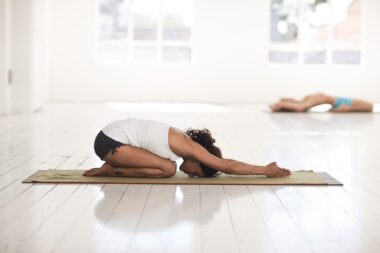
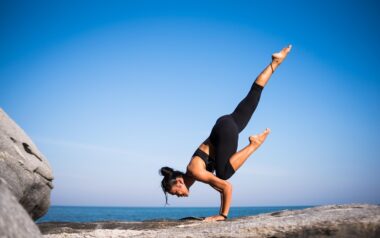
Flexibility testing contributes to a well-rounded fitness plan, pinpointing areas of improvement and helping to prevent injury. Practicing simple techniques like yoga poses can amplify your flexibility. For example, the downward dog pose stretches the shoulders, hamstrings, and calves, enhancing overall flexibility. Incorporating gentle yoga into your routine not only increases your flexibility but also introduces mindfulness practices nurturing mental health. Moreover, engaging in regular stretching routines targeting all major muscle groups is vital. Consistency will gradually yield benefits, making progress apparent during your frequent flexibility evaluations. Many people overlook warm-ups before flexibility tests, underestimating their importance. Gentle warm-ups can significantly enhance performance in tests like the sit-and-reach. Adding balance exercises helps improve coordination and core strength, which often impacts flexibility training positively. Remember to hydrate well, as hydration plays a crucial role in muscle elasticity. Post-testing, do some gentle stretches to encourage recovery while keeping the muscles flexible. Document all your results to observe your advancement and identify which flexibility methods work best for you. With this well-rounded approach, you can make remarkable improvements in your flexibility while enhancing your overall fitness experience.
Creating a Flexibility Routine
Creating a personalized flexibility routine based on your strengths and weaknesses can lead to better outcomes. Begin by listing the tests you plan to utilize, identifying which muscle groups to focus on. Dedicate specific days for flexibility training, complementing your regular workout schedule. Consistency is key; practice your routine at least three times a week to see significant improvements. Incorporate both static and dynamic stretches to maximize benefits; static stretches hold longer poses to improve muscle length, while dynamic stretches increase blood flow. Mixing these two styles provides comprehensive benefits while preventing monotony. Plus, balancing your routine with strength training will reinforce and support flexibility development. As you create your flexibility routine, listen to your body and respect its limits. Pushing too hard can lead to injury, so gently challenge yourself while being patient with progress. Motivational quotes can inspire your routine commitment and keep your mindset positive. Ultimately, make adjustments as needed, allowing room for growth and change. With dedication and a well-structured flexibility plan, you will undeniably notice greater mobility and overall improved performance in various physical activities.
After establishing your flexibility routine, measuring your progress becomes crucial to stay motivated. Tracking your achievements isn’t merely about numbers; you should also assess how you feel after performing flexibility tests. Noticing improvements in range of motion fosters motivation as you witness tangible results. Incorporate a flexibility journal to note any changes in your routines and your feelings during each session, capturing your journey. Take photos or videos to visually document your technique progression as well. Share your experiences with friends or log them on social media to engage others in your flexibility journey. You’ll find community support and accountability can push you toward your goals. Be mindful of how your body feels during tests; discomfort may indicate tightness requiring extra attention. Rely not solely on tests to gauge improvements but also on how easily you move in daily activities. Flexibility directly impacts other physical performances and overall quality of life. By keeping a holistic perspective, so you ensure the benefits of an enhanced flexible lifestyle extend beyond merely achieving better test scores. This mental shift fosters a deeper commitment and restores the joy in your flexibility journey.
Importance of Recovery for Flexibility
Recovery is an essential aspect of improving flexibility, often overlooked by many fitness enthusiasts. Allocate time for proper rest and recovery between testing sessions to facilitate tissue repair and adaptability. This process allows your muscles to lengthen and grow stronger, ultimately enhancing mobility. Simple techniques for recovery include incorporating foam rolling and massage. These practices alleviate tightness and promote relaxation after stretching. Also, hydration remains crucial to facilitate the healing process; staying hydrated aids muscle recovery, maintaining optimal elasticity. However, you must be aware of subjective factors such as sleep quality, stress levels, and nutrition, as they also significantly impact your body’s recovery. Allocate sufficient time for good sleep each night, as restorative sleep directly influences flexibility gains. Additionally, eat a balanced diet rich in vitamins and minerals, key to muscle repair. In the context of flexibility, consider including magnesium, which supports muscle health. Overall, a comprehensive recovery plan, encompassing physical techniques and mental well-being, allows your flexibility journey to thrive. Prioritize listening to your body’s cues—when to push yourself and when to rest, enabling profound advancements in your flexibility routine.
Flexibility ensures a functional body and contributes to emotional well-being in many ways. Improved flexibility facilitates better movement mechanics during athletic activities, enhancing performance in sports and daily tasks alike. A flexible body allows for easier participation in physical activities without discomfort, leading to increased enjoyment in exercise. Moreover, regular flexibility training alleviates muscle tension and minimizes stress, promoting relaxation and emotional balance. Engaging in flexibility-focused exercises creates an opportunity for mindfulness, where you can reflect on your thoughts and feelings. Yoga, in particular, merges physical activity with mental clarity and relaxation techniques, offering a holistic approach to well-being. Over time, developing flexibility will cultivate resilience and mental fortitude, helping you tackle challenges with greater ease. Celebrate milestones as you progress to maintain motivation. Recognizing achievements empowers you to continue striving for overall fitness transformation. Ultimately, a strong commitment to improving flexibility leads to a higher quality of life, promoting a sense of accomplishment and fulfillment. By embracing the journey of flexibility testing and improvement, you foster greater harmony between body and mind, creating a balanced fitness experience enriching your overall life.
In conclusion, testing flexibility at home is an attainable goal with lasting benefits. By exploring various flexibility tests, you can create individualized routines tailored to your needs and aspirations. While progress may take time, maintaining patience and consistency is essential as you witness positive changes in your mobility over time. Document your results and adjust your approach as necessary to enhance your path toward greater flexibility. Remember to prioritize recovery and incorporate mindfulness practices as part of your holistic plan. Regular flexibility training not only enhances athletic performance but improves your day-to-day life quality. As you actively engage with your body and its needs, foster connection and respect for your capabilities. Moreover, embrace the joys in this journey, sharing experiences with others as a source of motivation. Seek community support while keeping your goals in mind, allowing personal accountability to propel you further. Improving flexibility is a lifelong pursuit that opens the door to further self-discovery and empowerment. Take pride in every endeavor you make toward becoming more flexible, transforming your body and life through mindful dedication and practice.