
Recovery Techniques after Strength Workouts for Triathletes
Triathletes often push their limits during strength training sessions, which can lead to significant muscle fatigue and soreness. Understanding the best recovery techniques is crucial for maintaining performance and preventing injuries. Active recovery methods, such as low-intensity cycling or swimming, can improve blood flow, thereby helping to flush out metabolic waste products from the muscles. Techniques such as foam rolling can also be beneficial, as this form of self-myofascial release alleviates muscle tightness and enhances flexibility. Alongside these methods, ensuring adequate hydration is vital; water aids in nutrient transport and muscle repair. Furthermore, consuming a balanced post-workout meal, rich in carbohydrates and protein, is essential. This meal stimulates muscle protein synthesis and replenishes glycogen stores, fostering recovery. Hypertrophy-focused strength training may accompany a decrease in overall performance if not managed effectively. By incorporating recovery into workout routines, triathletes can enhance performance, reduce injury risk, and recover faster. Using these strategies ensures that the benefits of strength training will be maximized in preparation for competitions, thus leading to enhanced consistency and endurance in races and transition phases.
In addition to the techniques mentioned, passive recovery strategies also play a crucial role in recovery.
Passive Recovery Strategies
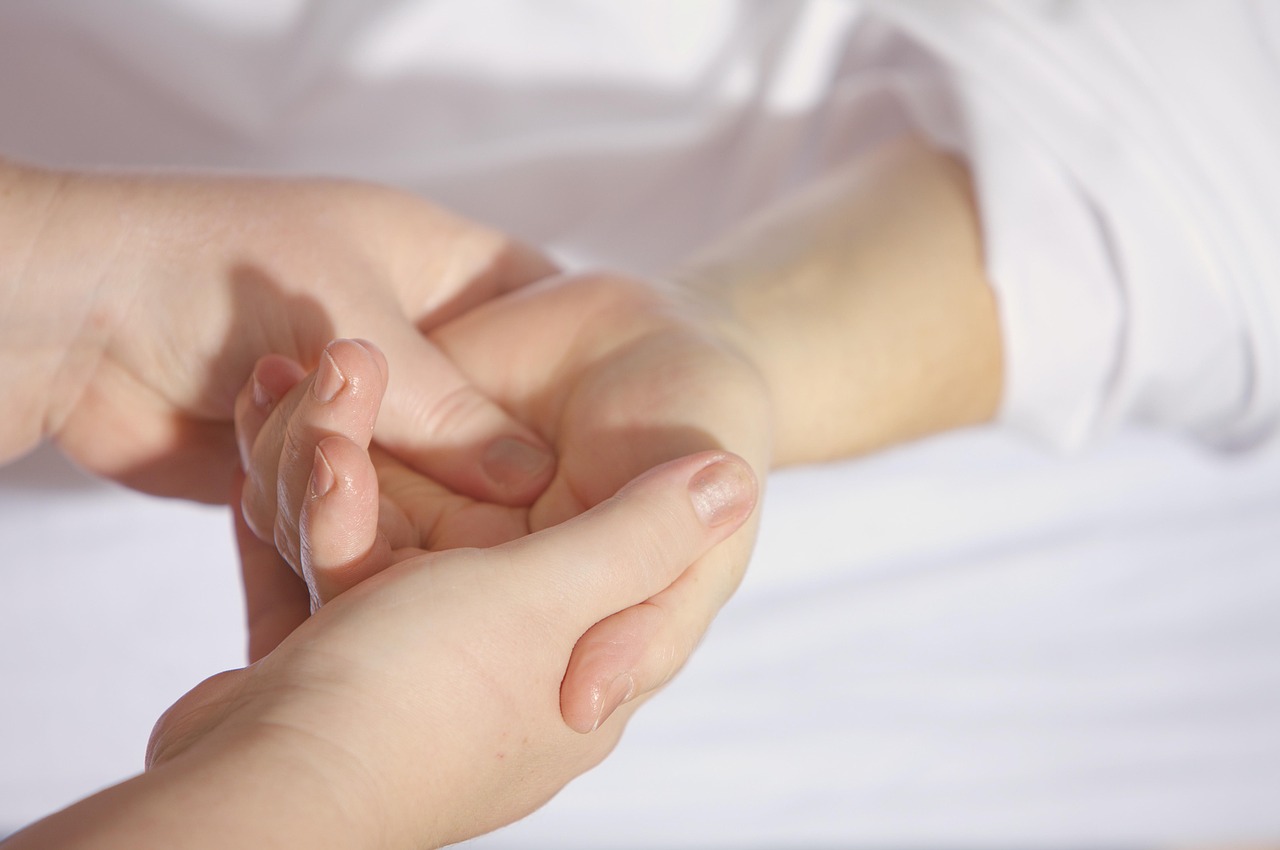
Passive recovery refers to recovery methods where the body is at rest. Strategies such as getting sufficient sleep, between seven to nine hours nightly, allow muscles to rebuild and repair efficiently. Quality sleep is associated with higher levels of growth hormone, which is essential for recovery and maintaining muscle mass. Additionally, various forms of massage therapy can be used to alleviate soreness and tension in muscles after strength workouts. Some triathletes also find benefit in using compression garments, which reduce swelling and improve circulation. Beyond physical recovery, it’s essential to focus on mental recovery as well. Engaging in meditation or mindfulness exercises can reduce stress, improve mood, and enhance overall well-being. Mental clarity is crucial in competitive sports, allowing athletes to perform their best under pressure. Ramping down on heavy training periods and including phases of deloading can also positively affect performance. Implementing a holistic view on recovery ensures both mind and body remain in peak condition for upcoming competitions. This approach prevents burnout while providing necessary energy and resilience for future strength workouts.
A well-structured recovery plan should incorporate a variety of techniques that cater to the individual needs of each triathlete.
Hydration and Nutrition Considerations
Hydration is a fundamental component of effective recovery, which many triathletes overlook. After strength training, it’s essential to replenish fluid lost during workouts. A guideline often suggested is to consume approximately 500-700 ml of water within a few hours after exercising. Electrolyte drinks can be beneficial for maintaining fluid balance, especially after intense or prolonged sessions. Similarly, nutrition plays a pivotal role in muscle recovery. The post-workout meal should include a mix of simple carbohydrates to quickly replenish glycogen and high-quality proteins to facilitate muscle repair. Incorporating nutrient-rich foods, such as lean meats, legumes, dairy, fruits, and whole grains, into meals supports recovery and overall performance. Additionally, supplements such as branched-chain amino acids (BCAAs) and omega-3 fatty acids can aid in muscle recovery and reduce inflammation. Many athletes also track their nutrition and hydration to ensure consistency and adherence to recovery strategies. These practices not only enhance recovery but also optimize training progress and performance readiness for competitions, ensuring triathletes remain at their peak.
Another key component of recovery not to neglect is the impact of mental well-being.
Mental Recovery Techniques
Mental recovery is as crucial as physical recovery, especially in demanding sports like triathlon. Triathletes often experience psychological stress due to rigorous training and competition. Therefore, one method to alleviate mental fatigue is establishing a routine that includes designated downtime. Taking regular breaks and downtime to engage in hobbies or activities unrelated to triathlon fosters mental rejuvenation and a positive mindset. Practicing visualization techniques can also enhance recovery, as it helps athletes mentally rehearse their performances, build confidence, and develop a strong focus. Additionally, social support from fellow athletes or coaches aids emotional recovery, allowing individuals to share experiences and challenges. This support network not only increases motivation but also maintains accountability, essential for long-term engagement in training. Moreover, incorporating mindfulness practices or yoga can help with relaxation, improving mental clarity and emotional balance. These elements combined contribute toward maintaining a holistic approach to recovery that supports athletes in achieving their goals effortlessly. Overall, a well-rounded recovery plan encompassing both physical and mental strategies enhances resilience and long-term success.
Finally, understanding individual responses to recovery practices will enhance effectiveness.