
Photography and Media Coverage for Swimming Events
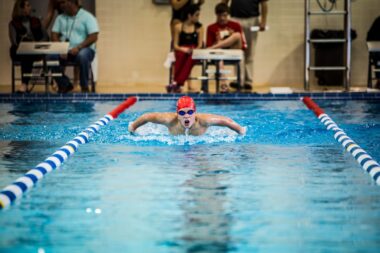
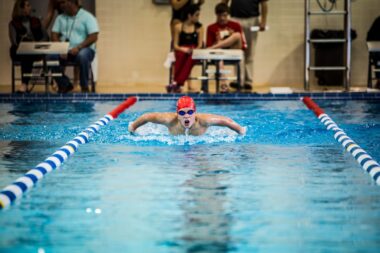
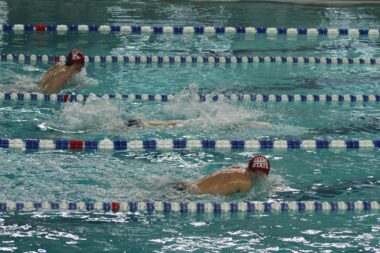
When planning a swimming event, the importance of effective photography and media coverage cannot be undermined. High-quality visuals can capture the excitement, energy, and emotions during competitive races. Engaging professional photographers who specialize in sports can ensure that key moments, such as record-breaking finishes and the athletes’ celebrations, are documented. These images can also be utilized for various promotional activities and future event marketing. In this digital age, capturing these moments means investing in technology such as drones for aerial photography, which offers a unique perspective. Additionally, live coverage through streaming services or social media platforms can enhance audience engagement and can attract more sponsors. Event organizers can leverage this media to create highlight reels that encapsulate the event’s atmosphere and excitement. Additionally, it’s beneficial to prepare a press release that provides relevant information for journalists and bloggers to ensure that your swimming event receives ample attention. By focusing on effective photography and creating a media plan, event organizers can significantly enhance the visibility of their swimming events, fostering growth and interest in the sport for future competitions.
Determining a visual strategy is a foundational step in ensuring comprehensive coverage of a swimming event. Before the event, organizers should outline the specific moments and elements they wish to capture. This includes pre-event activities such as warm-ups and interviews with notable athletes or coaches, capturing the full narrative of the event. Furthermore, it’s essential to create a detailed schedule for photographers and videographers so they understand the relevance of different events, allowing them to capture the action without missing any critical moments. Consideration should also be given to the positioning of cameras around the pool to cover all angles effectively, including both the start and finish lines. Additionally, having a dedicated media zone which offers easy access to important areas assists in maintaining good rapport with media personnel. Organizers may even equip journalists with special backstage passes or exclusive views to boost their engagement level. Another aspect is ensuring proper lighting and conditions for all captured moments, which can create stunning visuals. By preparing a detailed media coverage plan, swimming events can elevate their visibility while ensuring the excitement of the competition is fully documented for audiences.
Choosing the Right Equipment
High-quality equipment is vital for capturing great images and videos during swimming events. Photographers should use cameras that perform effectively in different lighting conditions, especially during indoor swimming competitions. Additionally, lenses should be selected based on their ability to capture fast-moving athletes clearly and without distortion. In many cases, a good telephoto lens can help bring distant swimmers into clear focus, showcasing their technique as they race. Drone footage has become increasingly popular, providing unique aerial shots that highlight the scale and atmosphere of the event. Such technology also allows for innovative storytelling, where the context of the competition can be effectively communicated to viewers. It’s essential to ensure that all equipment is tested and ready before the event starts to avoid any technical issues that may impede coverage. Backup cameras and lenses should always be at hand for quick replacements. Media professionals should also consider using external microphones to capture clear sound during interviews or announcements. Additionally, investing in high-capacity memory cards ensures that no moment is missed, allowing event coverage to remain uninterrupted. Proper gear contributes significantly to the quality of the final media output.
Incorporating social media into the event coverage strategy is crucial for expanding reach and engagement. Platforms like Instagram and Twitter can be utilized for live updates, giving audiences real-time insights into competitions, results, and athletes’ performances. Content should be created specifically for these platforms, including behind-the-scenes glimpses and instant highlights. Utilizing relevant hashtags can significantly increase the posts’ visibility and engagement among swimming enthusiasts. Organizers should also create an event-specific hashtag which fans can use to share their own experiences and photos from the event. Collaborations with social media influencers or swimming community pages could also further boost the event’s presence online, driving larger audiences both in person and virtually. Engaging with the audience through polls, stories, and live Q&A sessions can deepen their connection to the event. These interactive sessions inform and excite fans, making the event more approachable and friendly. Ultimately, as the digital landscape evolves, combining traditional media with cutting-edge social media strategies will strengthen the engagement and coverage of swimming events. This two-pronged approach ensures that audiences remain excited and informed before, during, and after the event.
The Role of Post-Event Analysis
Once a swimming event concludes, there remains another essential aspect of media coverage: post-event analysis. Analyzing the collected photos and videos allows organizers and marketers to assess their effectiveness in conveying the event’s spirit. Creating post-event highlight reels can engage audiences for months following the event, especially when shared across various media platforms. This insight will also help to improve future events by recognizing what worked well and what could be enhanced. Collecting feedback from both participants and spectators can provide valuable information about their experience, which can guide improvements. Photographers may also provide their insights, assessing how their captured content resonated with viewers. Using analytics from social media posts can gauge engagement levels, allowing planners to refine their future media strategies. Creating comprehensive reports detailing image performance, social media interaction, and viewer feedback can assist planners in identifying trends over time. Furthermore, publishing these insights can position the event as a leading competition within the sport, fostering interest from sponsors and audiences alike. Proper post-event analysis will solidify the legacy of the competition in attracting both talent and spectators over the years.
Engaging a diverse range of stakeholders is vital while planning photography and media coverage for swimming events. Local swim clubs, athletes, and sponsors should be involved in the media strategy development process. Their insights and feedback can significantly enhance the media coverage and help shape the narrative. Furthermore, approaching local newspapers and television stations could foster partnerships that will lead to more significant event promotion and reach. Collaborating with schools or universities to feature their athletes during the event may increase attendance and engagement within the community. Offering photography workshops or behind-the-scenes opportunities for local aspiring photographers can create a community feel and enhance the event’s reputation. Publicizing these collaborations can generate excitement and buzz, drawing in more fans. Additionally, creating a community committee to oversee media coverage can ensure inclusivity and breadth in perspectives. This diverse engagement not only strengthens the quality of the media output but also fosters long-lasting relationships with all stakeholders. By working cooperatively with local swimming communities, event planners can unite everyone around the shared goal of celebrating aquatic sports while enhancing visibility and appreciation for them.
Maximizing Sponsorship Opportunities
When organizing a swimming event, maximizing sponsorship opportunities through effective media coverage is key. Engaging sponsors from the early planning stages can ensure that their branding is prominently featured across all supported media. Elements such as banners, promotional materials, and digital content should adequately represent each sponsor’s brand identity. Furthermore, ensuring that existing sponsors receive valuable coverage in both traditional and digital media can enhance fruitful relationships with them. This includes dedicated segments for sponsors in highlight reels and recognition during live streams or broadcasts. Creating opportunities for sponsors to interact with the audience during the event, such as sponsored booths or giveaways, can increase brand visibility. Ensuring that recorded interviews or promotional pieces featuring sponsors are shared wisely on social media increases their reach. Engaging sponsors in post-event reports can show them the impact of their support, encouraging renewal of collaborations for future events. A robust sponsorship strategy aligned with effective media coverage can yield mutual benefits. Overall, this synergy between sponsors and a well-covered event promotes swimming as a thriving sport while enabling financial support for subsequent competitions.
The collaborative effort between event planners, photographers, and media professionals is crucial in creating a successful swimming event. By understanding each other’s roles and responsibilities, everyone can contribute towards a seamless execution. Regular communication among all participants from pre-event planning to post-event reflection will foster a collaborative environment, enriched by shared objectives. Building team cohesion through meetings and briefings ensures everyone is informed about the event schedule, key moments to capture, and any last-minute changes. Being flexible to adapt quickly can significantly reduce stress and ensure no moments are missed, helping to create smooth event coverage. Such coordination allows team members to support and assist each other in achieving goals collectively. This sense of community not only produces the best event coverage but also positively influences the overall atmosphere of the competition. Establishing a culture of teamwork throughout the planning and execution can create an infectious energy that enhances the event experience for everyone involved. Finally, capturing this collaboration highlights the camaraderie and sense of belonging within the swimming community, reinforcing the essence of the sport and leaving lasting memories for participants and spectators alike.