
Using Wearable Technology to Track Mood and Mental Well-being
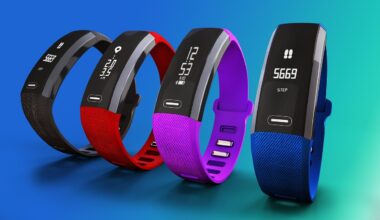
Wearable technology has become increasingly popular in recent years, providing users with a convenient way to track their health and well-being. Among the various applications of wearable devices, monitoring mental health using fitness trackers has gained significant attention. These devices enable individuals to keep tabs on their mood, stress levels, and overall mental well-being throughout their daily activities. By collecting data on various physiological metrics, users can gain insights into their emotional states and identify patterns over time. Popular fitness trackers usually measure heart rate, sleep quality, and physical activity, which can correlate with mental health fluctuations. Furthermore, many wearable devices offer built-in support features, such as mindfulness exercises and guided breathing techniques. These features can be effectively employed to help users manage their stress and anxiety levels. The integration of technology into mental health monitoring signifies a promising shift toward personalized health care. As the demand for accessible mental health solutions rises, utilizing wearable technology can serve as a bridge between physical activity and mental wellness, empowering individuals to take charge of their health more effectively than ever before.
One of the key advantages of using fitness trackers for mental health monitoring is the ability to log real-time data. Today, numerous wearable devices come equipped with sophisticated sensors that monitor physiological responses, allowing users to develop a better understanding of their mental state. The data collected can reveal valuable information about stress triggers and emotional responses over time. This continuous feedback loop fosters individual awareness, ultimately leading to informed decision-making regarding personal health management. For instance, individuals could correlate their mood moodiness levels with their activity levels, sleep quality, and heart rate variability. This data can illuminate habits that might affect their mental health, such as insufficient exercise or inadequate sleep. Furthermore, sharing this aggregated data with mental health professionals can enhance therapeutic interventions, allowing for personalized recommendations based on specific patterns. Clinicians may be better equipped to identify leading causes of distress based on empirical evidence from fitness trackers. Although more research is needed, the potential of integrating wearables into mental health strategies presents exciting new possibilities for personal growth and psychological resilience.
Benefits of Mood Monitoring with Technology
Utilizing wearable technology for mood monitoring can lead to substantial benefits for mental health management. First and foremost, users are empowered to take an active role in their emotional well-being, leading to greater accountability. The continual logging of mood patterns prompts self-reflection, encouraging individuals to become more attuned to their mental health. Moreover, early detection of negative patterns can pave the way for timely interventions. For instance, if a user notes a decreasing mood correlated with high stress levels, they can proactively implement coping strategies before issues escalate. Additionally, wearable technology fosters a sense of community, as many apps allow users to connect and share their experiences. This mutual support can be instrumental in creating a stronger, more collective approach to addressing mental health challenges. Another profound benefit of mood monitoring is its potential to reduce stigma surrounding mental health discussions. Publicly embracing technology that assists mental well-being can normalize the conversation and encourage proactive engagement with mental health issues. Ultimately, these benefits contribute to a more holistic approach to overall health and well-being.
However, it is essential to consider possible drawbacks associated with wearable technology’s use in mental health monitoring. Over-reliance on these devices may lead to anxiety for some individuals who constantly analyze their data and interpret it as a definitive measure of success or failure. This tendency can create undue pressure, as feelings may fluctuate daily regardless of physiological indicators. Furthermore, there is the risk of data privacy concerns, as sensitive information regarding mental health may be vulnerable to breaches. As individuals share data with platforms and applications, they ought to be mindful of the potential for misuse. Effective data management policies and security measures are crucial to safeguarding privacy. Additionally, not everyone may find value in wearable technology; some individuals might feel overwhelmed by the metrics and become disengaged from the monitoring process. Mental well-being is multidimensional, and individual needs can differ greatly. Therefore, it is vital to approach wearable technology as one of many tools available in managing mental health rather than a definitive solution. Balancing these concerns will further enhance its role in mental health care solutions moving forward.
Integrating Wearable Technology with Other Therapies
Pairing wearable technology with traditional therapeutic approaches can lead to more comprehensive mental health treatment options. For example, therapists can utilize data collected from fitness trackers to inform their practice and optimize treatment strategies. By understanding a client’s physical activity patterns and mood fluctuations, mental health professionals gain valuable insights into how best to tailor therapies to suit individual clients’ needs. Such a multidisciplinary approach, blending technology and therapy, can promote better outcomes. Furthermore, users may find increased motivation to participate in traditional treatment modalities when they are actively tracking their progress through wearables. Real-time feedback from fitness trackers can complement established therapeutic techniques, such as Cognitive Behavioral Therapy (CBT) or mindfulness training. For instance, reminders to engage in physical activity can serve as practical suggestions to therapists working on a client’s coping strategies. Combining these approaches enhances clients’ mental resilience, leading to greater gains in overall well-being. Collaboration between professionals and technology developers also opens the floor for innovative solutions that address various mental health issues effectively.
As the realm of wearable technology continues to evolve, the potential for new features designed specifically for mental health monitoring is on the rise. Developers are increasingly exploring ways to create apps and features tailored to track mood changes accurately, encourage positive behavioral changes, and foster better mental health awareness among users. Future wearable devices may include innovative features such as guided mental health exercises, personalized coping techniques, and even virtual support groups. Such advancements could streamline the process of self-reflection and self-improvement for users, making it inherently easier for individuals to manage their emotional well-being proactively. Additionally, AI-driven algorithms could provide tailored recommendations based on users’ habits and reinforce positive changes. As technology develops, seamless data visualization will aid in understanding patterns more thoroughly, allowing for even deeper insights into emotional well-being. Importantly, collaboration among mental health experts, technologists, and users themselves will drive the innovations necessary to create effective mental health tracking tools that cater to diverse needs. These advancements herald a future where mental health management becomes an integral aspect of everyday life.
Conclusion
In conclusion, wearable technology presents significant opportunities for enhancing mental health monitoring and overall well-being. The ability to track mood, physiological responses, and behavioral patterns in real-time provides unique insights into managing mental health more effectively. Recognizing the potential benefits and challenges of these technologies, individuals can find ways to utilize fitness trackers as complementary tools in their pursuit of emotional wellness. By adopting a conscious approach to tracking mental health, users can foster accountability, develop self-awareness, and enhance their relationships with mental health professionals. It is critical, however, to remember that wearable devices are not a one-size-fits-all solution; their effectiveness will vary depending on each individual’s unique needs and circumstances. As the landscape of mental health management continues to change, embracing innovations that integrate technology with traditional therapeutic approaches is invaluable. The future is promising, as the convergence of technology and mental health provides countless possibilities for personal empowerment, growth, and resilience. Ultimately, leveraging wearable technology will pave the way for improved mental health outcomes and inspire more conversations surrounding these essential issues.
Given the importance of mental health in our increasingly fast-paced world, the integration of wearable technology has emerged as a vital tool in supporting mental health management. These advancements not only hold the potential to enhance individual well-being but also transform societal perceptions of mental health. We are moving toward a future where discussing mental well-being is no longer taboo, and technology serves as an ally to help many thrive amidst challenges. The role of fitness trackers in promoting mental health should be acknowledged as a significant step toward breaking barriers, reducing stigma, and empowering those navigating mental health journeys. As we utilize these tools more widely, the focus will shift from merely coping to actively flourishing. Ultimately, wearable technology may not just change our approach to fitness but could reshape the entire landscape of mental health care and support.