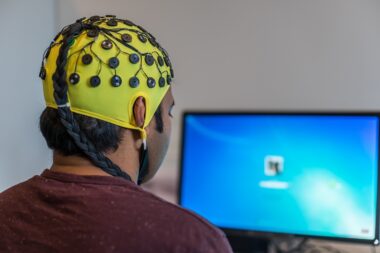

Neural Correlates of Happiness: A Neuroscientific Exploration
The study of the neural correlates of happiness is a fascinating area of neuroscience, exploring how different brain regions contribute to our emotional experiences. Numerous studies have demonstrated that happiness is not merely an abstract feeling but has concrete neural underpinnings. For instance, the activation of specific brain areas, such as the prefrontal cortex and the amygdala, plays a pivotal role in how we experience joy and contentment. The prefrontal cortex, especially its left hemisphere, is associated with positive emotions and is crucial for decision-making that promotes well-being. Conversely, the amygdala is traditionally linked to fear, yet it also interacts with the reward system, impacting our capacity to experience happiness. By understanding these neural mechanisms, researchers aim to identify how they interact with psychological and social factors. This knowledge can guide interventions aimed at enhancing mental health, such as mindfulness and cognitive-behavioral therapy. Discovering the common neural pathways shared between happiness and other positive emotions can illuminate effective strategies for fostering a happier, more fulfilling life. Considering this, the journey into the neuroscience of happiness reveals the complex interplay of emotions in the human experience.
Research into the neural correlates of happiness has gained momentum within the field of neuroscience, unlocking vital insights into how emotions manifest within the brain. Modern imaging techniques, such as functional magnetic resonance imaging (fMRI), have made it possible to observe brain activity in real-time while individuals engage in tasks that evoke various emotional states. Studies using these techniques have shown consistent activation patterns associated with feelings of happiness. For example, when participants recall joyful memories or engage in activities they enjoy, specific brain areas associated with reward and pleasure light up. This has led to a better understanding of the so-called ‘reward pathway,’ which includes structures such as the ventral tegmental area (VTA) and the nucleus accumbens. These regions release the neurotransmitter dopamine, the very substance that drives motivation and reward. Furthermore, the interplay between different brain networks points to how happiness can be enhanced through lifestyle choices, such as exercise, social connection, and altruism. By acknowledging the physiological basis of happiness, we gain insight not only into individual experiences but also into collective societal well-being.
While understanding the neural correlates of happiness is essential, it is equally important to recognize that happiness is influenced by a myriad of factors beyond biology. Environmental and social conditions play a significant role in shaping emotional well-being. Neuroscience has increasingly focused on the interplay between individual brain function and external influences. For example, various studies indicate that individuals with strong social connections tend to report higher levels of happiness, regardless of their genetic predisposition. Moreover, socio-economic factors can significantly affect access to services and mental health resources, further complicating our understanding of happiness in diverse populations. The interaction between neurobiology and the environment suggests that promoting happiness must encompass a holistic approach. This includes understanding cultural perspectives on happiness and addressing mental health disparities. Mental health policies that support community engagement, education, and economic opportunities can contribute to a more mentally healthy society. Thus, appreciating the broader social context emphasizes the need for a comprehensive understanding of how happiness is cultivated both internally and externally.
The Role of Neurotransmitters in Happiness
Neurotransmitters are crucial players in the process of feeling happy, as they influence mood regulation and emotional responses. Among these, serotonin, dopamine, and oxytocin are particularly noteworthy in how they affect happiness. Serotonin is often termed the ‘feel-good’ neurotransmitter; it helps to regulate mood, anxiety, and happiness. Imbalances in serotonin levels can lead to conditions such as depression, highlighting its importance in emotional well-being. Dopamine, on the other hand, is associated with the brain’s reward system, reinforcing behaviors that lead to pleasure and satisfaction. This can explain why engaging in enjoyable activities can enhance happiness levels. Additionally, oxytocin, often referred to as the ‘bonding hormone,’ plays a vital role in social connections, love, and trust—factors closely linked to overall happiness. Understanding the mechanisms of these neurotransmitters provides insights into potential therapeutic pathways for enhancing well-being. By addressing neurotransmitter levels through medication, lifestyle changes, or therapeutic practices, we can optimize our happiness and mental health in profound ways.
Research indicates that individual differences in brain structure can influence susceptibility to happiness or sadness. Neuroimaging studies have revealed variations in brain volume and connectivity that may predispose individuals to experience different emotional states. For instance, individuals with a larger anterior cingulate cortex tend to have greater emotional intelligence and regulation, contributing positively to their overall happiness. Furthermore, genetic factors can influence these structural aspects, creating a biological basis for emotional resilience or vulnerability. This interplay of genetics and neuroanatomy suggests that while biology plays a role in happiness, it is not deterministic. Instead, it creates a framework of potential that can be influenced by life experiences, choices, and therapeutic interventions. For example, practices like mindfulness and cognitive training have been shown to promote positive neuroplastic changes in the brain, thereby enhancing one’s capacity for happiness. By appreciating these nuances in brain function and structure, we can better understand the range of human experiences related to happiness and develop more effective strategies for improving mental health.
Implications for Mental Health Interventions
The findings regarding the neural correlates of happiness have profound implications for mental health interventions. Knowing which areas of the brain are involved in experiencing happiness allows clinicians to tailor therapeutic approaches effectively. For example, cognitive behavioral therapy (CBT) can target negative thought patterns that may inhibit the brain’s capacity to feel joy. Additionally, interventions that focus on enhancing emotional regulation through mindfulness practices can help individuals develop a more positive neural environment conducive to happiness. Therapeutic practices can also harness neuroplasticity—the brain’s ability to reorganize and form new connections—allowing individuals to cultivate new, healthier emotional responses. Furthermore, educational programs that teach emotional literacy and resilience can empower individuals to better understand their emotions and improve their mental well-being. While neuroscience continues to reveal the intricate connections between brain function and emotional states, it also highlights the potential for transformative change in individuals’ lives. The necessity of integrating neuroscience into mental health paradigms is essential for developing comprehensive, effective treatments aimed toward fostering happiness.
As neuroscience continues to unravel the mysteries of happiness, a major focus remains on community and collective well-being. Happiness does not exist in a vacuum; it is influenced by interpersonal relationships and societal structures. The concept of collective happiness embraces the notion that shared experiences, culture, and social systems play crucial roles in shaping emotional health. Community engagement and social trust contribute significantly to the overall happiness of individuals. Programs that promote social cohesion can enhance mental health by fostering environments where individuals feel supported and valued. Societal factors, such as economic stability and equitable access to resources, fundamentally shape the landscape of happiness. A thorough understanding of these aspects can guide policymakers in developing holistic mental health strategies that aim not only to treat individual conditions but also to promote a flourishing society. Furthermore, creating supportive communities that actively enhance emotional well-being can diminish mental health stigma, leading to a more inclusive culture. These efforts will ultimately contribute to collective happiness, making it a valuable area for ongoing research and practical application in mental health fields.
Conclusion
In conclusion, exploring the neural correlates of happiness highlights the complex web between brain function, emotions, and mental health. As we deepen our understanding of how specific brain regions and neurotransmitters contribute to feelings of happiness, the potential for more effective mental health interventions becomes increasingly clear. This research underscores the significance of adopting a holistic approach that integrates biological, psychological, and social factors in fostering emotional well-being. Additionally, recognizing the role of community and social connections can transform mental health practices and policies. By addressing happiness from a neuroscientific perspective, we open pathways for innovative interventions that not only treat mental health conditions but also promote thriving lives. Ongoing research is essential for unraveling the intricacies of happiness and will likely lead to groundbreaking strategies aimed at enhancing the mental health of individuals and societies alike. Ultimately, the journey into the neuroscience of happiness is valuable not only for individual growth and healing but also for nurturing happier, more cohesive communities.