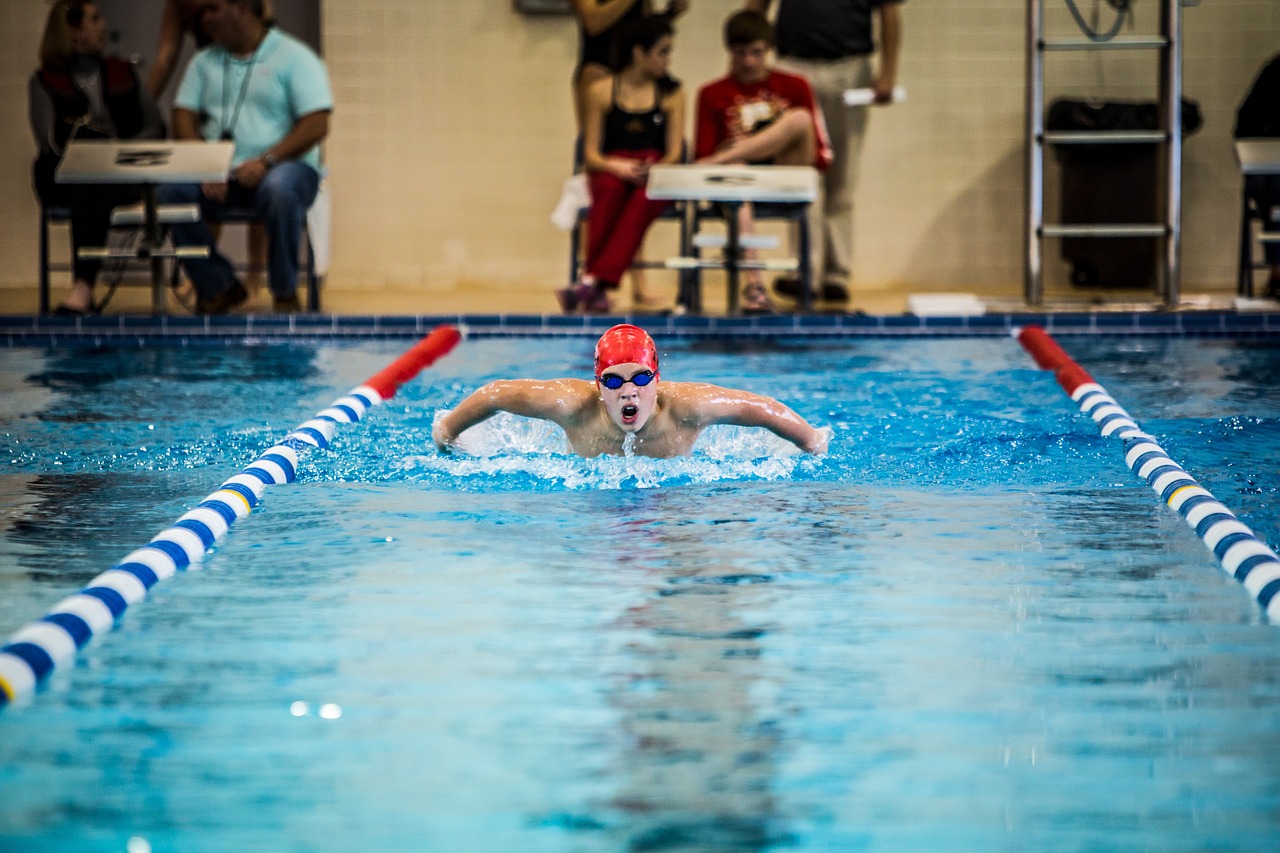

How to Track Progress in Butterfly Swimming
Tracking progress in butterfly swimming is crucial for improvement and achieving your goals. Start by setting measurable objectives, such as improving your lap time or perfecting your technique. Utilize a training journal to document your daily sessions, recording the number of laps swum, duration, and specific drills practiced. Note how your stroke feels and any observations regarding form, such as breathing patterns and body alignment. Video analysis can also provide valuable feedback. Having someone film your practice allows you to visually assess your technique, identifying areas that require enhancement. Share your footage with a coach or experienced swimmer for additional insights. Incorporate regular testing into your routine to gauge progress over time. For example, you might schedule a swim test every four weeks, comparing times to previous performances. Engage in periodic goal reassessment to ensure your targets remain challenging yet attainable. Celebrate small achievements along the way; they enhance motivation and maintain a positive mindset. Lastly, connect with fellow swimmers who share similar goals. They can provide accountability and encouragement, fostering a supportive environment centered around your butterfly swimming journey.
Keep in mind that butterfly swimming utilizes distinct muscle groups, requiring a focus on strength and flexibility training. Incorporate dryland workouts targeting your core, shoulders, and legs to enhance your swimming capacity. Resistance exercises and flexibility routines will support improved power and efficiency in the water. Additionally, develop specific strategies to measure your overall fitness progression, including cardiovascular endurance tests. Document how many strokes you take per lap and reflect on any changes achieved during practices. Create a chart of your sessions to visualize your growth on a weekly and monthly basis. This visual feedback provides the motivation to push yourself further. Using swim apps or heart rate monitors can streamline this process, offering real-time data to assess your performance. Engaging with technology enriches your training regimen, ensuring you’re informed about your progress without squandering energy on manual calculations. Furthermore, maintain a consistent schedule to maximize results. This consistency fosters familiarity with your routine, allowing you to integrate key drills effectively. Lastly, balance your butterfly practice with the other strokes to nurture well-rounded skills and prevent potential physical fatigue from excess strain.
Setting SMART Goals
Implement SMART (Specific, Measurable, Achievable, Relevant, Time-bound) goals in your butterfly training for enhanced clarity and focus. Begin by defining specific targets, such as reducing your 100-meter butterfly time or refining your technique on the pull phase. Make these goals measurable by recording your baseline performance, providing clear statistics to track improvement. Ensure that your targets are achievable by assessing your current abilities. Goals should challenge you but remain realistic based on your swimming experience. Relevance is key; align your objectives with broader aspirations, such as qualifying for regional competitions. Create a timeline by setting deadlines for achieving your goals. This urgency can motivate you to remain disciplined and dedicated during your training. Don’t forget the importance of flexibility. Regularly review expectations and make adjustments according to your progress and response to training stimuli. Lastly, document your journey to maintain accountability; this reflection helps you appreciate successes, however small, while identifying areas needing adjustment. Sharing your goals with teammates encourages a team environment and nurtures a supportive atmosphere. Collaborating positively influences everyone’s accountability, making workouts enjoyable and empowering each swimmer to reach their potential.
Another powerful method for tracking progress is utilizing interval training. Incorporate sets designed to increase your catch and pull speeds during practice sessions. This encourages you to swim faster than usual whilst building endurance and strength through targeted repetitions. As you improve, track your best times during training, noting the intensity and distance. Analyzing data reveals trends in your speed progression while instilling confidence in your growing ability to conquer the butterfly technique. Establish parameters around intervals, documenting rest intervals to see how your recovery time improves over seasons. This data is supportive for both short- and long-term objectives. Use intervals not just in lap swimming; apply them to drills focusing on specific aspects of your stroke. For instance, concentrate on kick length or breathing counts during short sprints. This targeted approach fosters specific gains, allowing you to dissect performance aspects under varied conditions. Integrating this training method can yield substantial benefits if maintained regularly and competently documented. Finally, share these metrics with your coach and fellow swimmers for tailored feedback or encouragement; different perspectives can greatly enhance understanding and application of your progress.
Monitoring Technique Improvements
The importance of technique in butterfly swimming cannot be overstated. Moreover, tracking your technique improvements is as crucial as tracking your time. Focus on aspects like your body positioning, stroke mechanics, and breathing pattern. Consistent practice ensures familiarity, and gradual improvement becomes apparent over time. Engage in drills aimed specifically at enhancing your technique while documenting progress meticulously. For example, if you notice your head positioning impacts your speed negatively, alter it and monitor the outcomes. Adjusting your stroke rhythm with consistent practice improves both technique and overall efficiency. Utilize a swimming-specific app to record notable changes or gain feedback from your swim coach. This app can analyze metrics through videos or perform side-by-side comparisons with expert swimmers. Incorporating feedback supports an objective assessment of your achievements. Don’t forget that external influences can affect performances, including factors such as fatigue or mental distractions. Understand that improvements may not always be linear; be patient during the process. Celebrate breakthroughs and milestones, no matter how modest they may appear. These moments serve as a reminder that dedication leads to success, propelling you further along your butterfly swimming journey.
Participating in swim meets is another effective method to gauge progress. Competitive environments challenge you to swim harder while delivering a real measure of improvement against different swimmers. By entering various meets throughout the season, you can collect times across multiple distances while analyzing your performance longitudinally. Each swim provides new insights each time; focus on refining not only your time but also your overall strategy. Competitions foster accountability, urging you to meet training goals. Track your results in relation to your previous performances and training metrics, giving you a holistic view of your journey. Understand that shifts in performance during meets can differ from training; this disparity offers insight into how to prepare mentally for future competitions. Dissect your race strategies post-meet using recorded times and stroke analyses. This evaluation can shape future training regimens, focusing efforts on weaknesses to ensure future success. Determining commonalities among your best races can highlight the necessity for ongoing adjustments leading to improvement. Engage with peers for insights into successful racing strategies, uncovering diverse techniques to enhance your performance through community input.
Conclusion and Final Tips
As you embark on your journey of tracking progress in butterfly swimming, remember that consistent practice and data analysis hold the keys to mastery. Alongside traditional methods of measurement, explore innovative techniques such as wearable technology for enhanced insights. Use your results to set new targets that challenge you and keep enthusiasm alive. Embrace setbacks as opportunities for learning rather than barriers to success. Keep a positive focus, as motivation plays a crucial role in your advancement. Surround yourself with fellow swimmers who encourage growth and celebrate achievements along the way. Accountability with others will not only offer encouragement but also facilitate friendliness in pursuing everyone’s goals, nurturing a stronger swimming community. Prioritize feedback, whether from coaches, peers, or video analyses; each element contributes to a comprehensive understanding of your progress. Most importantly, enjoy the process; swimming should always be a fulfilling experience. Foster a mindset that thrives on the discovery of your capabilities. Recording your butterfly swimming journey becomes our personal narrative, highlighting evolution over time. Fusing dedication with reflection propels you forward, maximizing your potential as an accomplished butterfly swimmer.
Ultimately, the essence of tracking progress is about celebrating the little victories while striving for continuous improvement. Use the resources available, from technology to community support, to elevate your experience in butterfly swimming. Integrate various techniques on your progress path, blending traditional tracking with fresh methods, ensuring you’re evolving as a swimmer. Coupled with a relentless pursuit of excellence, these approaches ensure that your butterfly swimming journey remains enlightening and enriching, further enhancing your desire to succeed in this challenging swimming discipline. Dedicate time to review your data regularly; it fosters awareness and keeps you mindful of the changes happening in your performance. Remain adaptable, shifting tactics when necessary based on historical successes or challenges to improve efficiently. The journey of tracking progress never truly ends; it evolves as you grow, providing valuable lessons that shape your future as a swimmer. Embrace this journey with joy and commitment; each improvement merits recognition, building confidence and pushing you towards your ultimate aspirations in butterfly swimming.