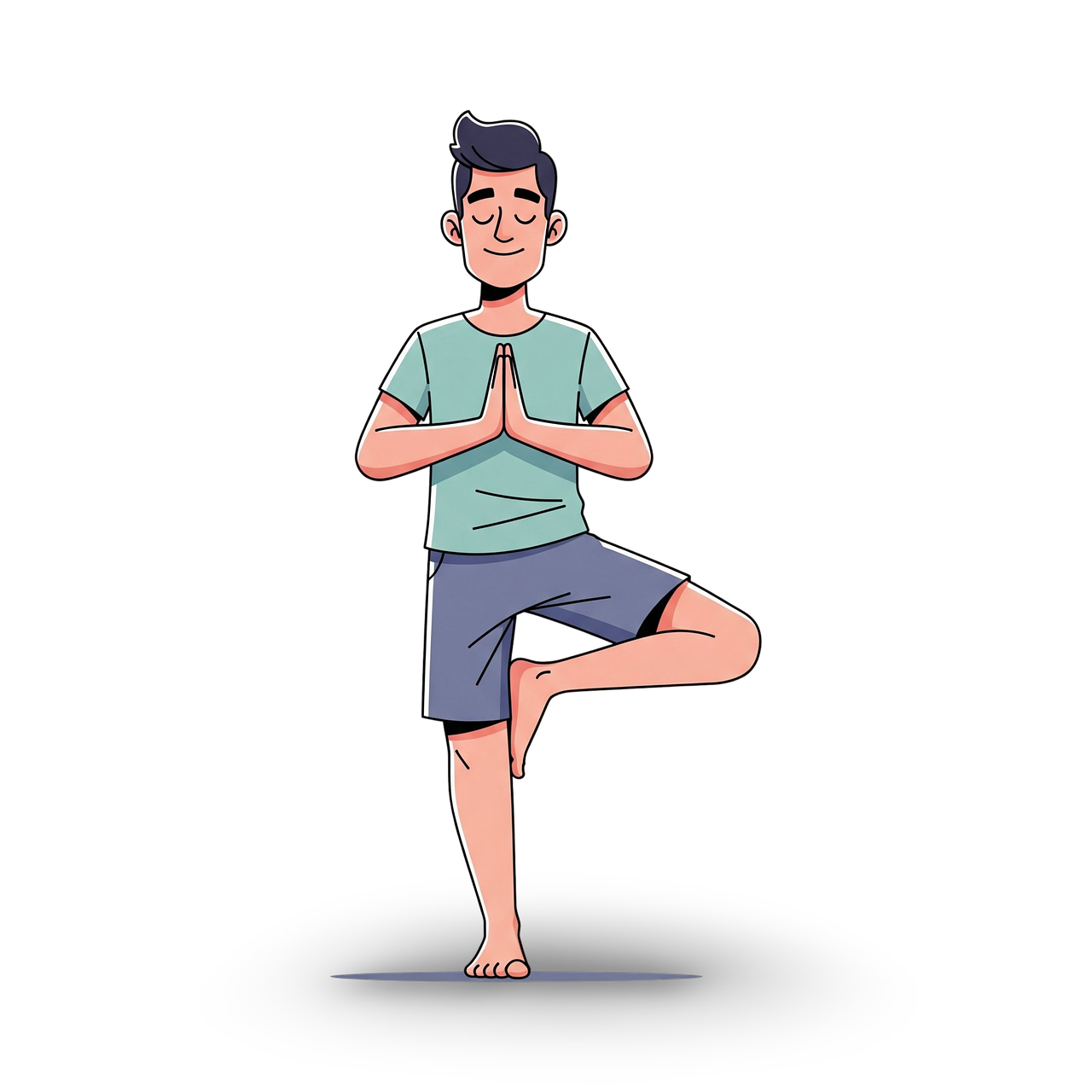

Fitness as a Tool for Mental Wellbeing
Physical fitness has long been associated with improving appearance, but its role as a tool for mental well-being is equally significant. Engaging in regular physical activity can uplift one’s mood and reduce stress levels. The endorphins released during exercise create a sense of euphoria, often referred to as a “runner’s high.” This natural mood booster can combat feelings of anxiety and depression. Furthermore, exercise encourages self-discipline and goal-setting, which helps build self-esteem. Beyond the physical benefits, fitness activities provide an avenue for personal growth and mental clarity. Many individuals find meditation and mindfulness integrated with their workouts enhance their psychological resilience. Accessing fitness communities can foster social connections that alleviate feelings of loneliness. Ultimately, fitness is not just about physical transformation; it nurtures an individual’s mental state, leading to a holistic approach to health. Adopting a balanced fitness regime can greatly contribute to long-term mental health, establishing a positive feedback loop of motivation and achievement. Mental well-being through fitness is a journey worth embarking on for anyone seeking overall life enhancement.
Participating in group exercises or fitness classes cultivates a positive atmosphere, making workouts more enjoyable. This collective experience promotes camaraderie and mutual motivation among participants. The shared energy during sessions such as Zumba, yoga, or spin classes can elevate individual performance levels significantly. Additionally, personal trainers often contribute essential guidance, ensuring that participants achieve their fitness goals while maintaining safety and effectiveness. Beyond physical changes, these interactive sessions build social networks that foster support and accountability, crucial elements in sustaining mental health. Many studies indicate that social interactions during fitness activities can lead to improved mental well-being. Group dynamics facilitate discussions regarding common struggles, promoting a sense of belonging. Engaging with others in fitness challenges can be a source of inspiration. Setting collective goals within a group can strengthen resolve and commitment. It drives individuals to push boundaries while sharing success stories and overcoming obstacles together. Ultimately, the integration of social elements in fitness not only enhances motivation but also fortifies the mental resilience necessary for facing life’s challenges.
The Psychological Benefits of Regular Exercise
Regular exercise serves as an effective remedy for various mental health issues. Aerobic and strength training workouts have been shown to decrease symptoms of depression and anxiety. Engaging in consistent physical activity stimulates various brain chemicals, improving mood and cognition. Moreover, exercise allows individuals to clear their minds, providing an opportunity to reflect and think critically. Mindful participation in workouts can also promote focus and concentration, aiding in productivity beyond the gym. When people feel physically fit, their confidence levels rise, positively influencing their mental outlook on life. Establishing and reaching fitness goals can provide a powerful sense of achievement—it cultivates resilience and perseverance. Practicing fitness can be a liberating escape from daily stressors, allowing individuals to channel their energies constructively. Additionally, many individuals use fitness as a form of therapy, exploring the great outdoors or engaging in sports as a method of self-discovery and relaxation. All these aspects highlight the multifaceted benefits of regular exercise that go beyond mere physical appearance, establishing a healthy mind-body connection.
Incorporating mindfulness into workouts offers another layer of mental well-being benefits. Techniques such as yoga or tai chi encourage practitioners to connect with their bodies and acknowledge their mental states. These practices help foster a deeper understanding of personal emotions and stressors. Mindful movement can lead to increased emotional balance and awareness through focused breathing and stretching. Conversely, high-intensity workouts, while energetic, can also promote the same endorphin release that heightens mood and energy levels. The key lies in aligning fitness routines with personal preferences. Searching for a type of exercise that resonates on a psychological level is essential. Whether it’s swimming, cycling, lifting weights, or dancing—finding enjoyment in fitness ensures longevity and sustains mental benefits. Many individuals also use fitness as a way to combat negative thoughts or feelings, experiencing cathartic releases during tough training sessions. By breaking down barriers and establishing personal challenges within fitness, individuals elevate their spirits while simultaneously nurturing their psychological health. Thus, fitness evolves into a powerful tool for enhancing self-love and emotional resilience.
Creating a Balanced Routine
Establishing a balanced fitness routine that promotes mental well-being requires incorporating a variety of physical activities. Routines should encompass a mix of cardiovascular exercises, strength training, flexibility work, and relaxation techniques. This holistic approach not only maximizes physical health but also supports emotional balance and stress reduction. Scheduling workouts in advance can ensure consistency. It encourages a proactive mindset, allowing individuals to prioritize their mental health. Developing a weekly plan or setting achievable goals gives purpose to fitness journeys. Tracking progress can further boost motivation and accountability, making individuals more likely to adhere to their routines. Moreover, varying activities helps stave off boredom, keeping fitness engaging and seeking new challenges for growth. Experimenting with different workouts or joining classes introduces stimulating elements to fitness that promotes both body and mind. Outdoor activities, whether hiking or jogging, often have restorative benefits from nature exposure that enhances feelings of happiness and tranquility. Fitness is crucial not only for physical benefits but also for nurturing a positive state of mind, ultimately reinforcing the connection between body and mental health.
Proper nutrition also plays a vital role in enhancing the mental benefits of fitness. Fueling the body with healthy, nutrient-dense foods can greatly impact energy levels and overall mood. Emphasizing a balanced diet contributes to physical strength, aiding participants in their fitness routines. Diets rich in vegetables, fruits, lean proteins, and whole grains nourish the body and brain, positively influencing mental clarity and focus. Hydration is paramount; adequate water intake supports cognitive functions and physical performance. Many finds that dietary choices impact their emotional well-being too. Limiting processed foods and sugars can help mitigate mood swings and fatigue, allowing individuals to feel more balanced. Just as exercise enhances mental health, proper nutrition reinforces those benefits exponentially. Integrating nutritional education into fitness routines creates awareness of the correlation between what we eat and how we feel. This balance enhances overall quality of life, empowering individuals to make informed choices. Consequently, fitness paired with nutritious eating habits can transform lives by cultivating holistic health that prioritizes both mental and physical well-being.
Long-Term Commitment to Fitness and Mental Health
Long-term commitment to fitness not only provides physical results but also ensures lasting mental health improvements. Establishing a regular exercise schedule fosters a habit that contributes to both mental resilience and emotional stability. Over time, consistent physical activity becomes integral to one’s lifestyle, providing ongoing benefits such as reduced stress and enhanced focus. The long-term engagement creates a foundation that supports positive mental patterns and coping strategies when faced with adversity. Each commitment reinforces the mental muscle necessary to navigate life’s difficulties. Establishing supportive routines guards against slip-ups caused by life’s unpredictabilities. Furthermore, reconnecting with fitness can serve as a reminder of past achievements, driving motivation, and reinforcing self-worth. Celebrating milestones, whether small or large, allows individuals to appreciate their progress, igniting further determination. Lastly, participating in seasonal fitness challenges or exploring new activities anchors a continuous journey of discovery and growth. Embracing fitness as a lifelong companion nurtures self-discipline, clarity, and overall life satisfaction. The synergy created by pairing mental health strategies with fitness promises a fulfilling existence dedicated to mastering both body and mind.
As we increasingly prioritize mental health, viewing fitness through a holistic lens combines both physical and psychological domains. Fitness emerges not solely as a tool for aesthetic or physical improvement but beautifully intertwines with emotional wellness and personal development. By recognizing this, we can empower ourselves and others to embrace fitness journeys wholeheartedly. Every step taken, every workout completed represents a stride towards enhanced well-being. Adopting the perspective that fitness serves as a vessel for growth and healing can motivate countless individuals to embark on their unique journeys. The opportunities for adaptability within fitness frameworks suggest that everyone can find their niche, despite differing abilities or preferences. The focus should shift from appearance-focused expectations to recognizing the values of emotional growth. In embracing the profound relationship that fitness cultivates with mental health, we pave the way for fostering sustainable change. Encourage peers to explore fitness not only for its physical outcomes but for the immense psychological benefits. The collective experience of pursuing fitness as a tool for mental well-being has the potential to transform lives, ensure resilience, and enhance life appreciation, building a culture of healthy minds and bodies.