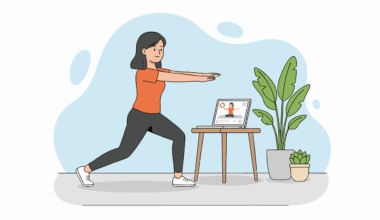

Cooling Down Tips for Beginners in Running
Cooling down after a run is an important aspect of a good training routine. It helps to gradually bring your heart rate back to a normal level while also enhancing flexibility and recovery. Start with a slow jog or brisk walk for at least five to ten minutes. This transition allows your body to adjust smoothly from a high-energy state. After this initial period, consider stretching your major muscle groups. Focus on the legs, hips, and back since these areas endure the most stress during running. A good stretch will not only prevent stiffness but may also alleviate soreness in the following days. Remember to hold each stretch for at least 15 to 30 seconds, breathing deeply to enhance relaxation. Additionally, hydration plays a key role in your recovery. Drinking water and electrolytes after your cool down can replenish lost fluids. Consider a mix of both to effectively hydrate your body. As a new runner, integrating these practices will significantly improve your overall performance and reduce injury risks. Remember that consistency is key to seeing benefits from these cool-down techniques.
One excellent method to incorporate into your cool-down routine is dynamic stretching. Unlike static stretches, dynamic stretches use movement to help cool your muscles effectively. These movements can include arm circles, leg swings, and torso twists. They prepare your muscles for recovery while promoting flexibility. Aim for about five to ten minutes of this active cool-down. Another effective approach is to do some gentle yoga postures. Yoga can be very beneficial in calming your mind and soothing your muscles. Poses like Child’s Pose and Downward Dog can help relieve tension and improve mobility. Moreover, listening to your body is vital. If you feel tightness in specific areas, take extra time to stretch those muscles gently. Additionally, foam rolling can serve as a helpful tool for recovery. It helps release muscle knots and improve blood flow to your muscles. Spend about five minutes foam rolling your legs, focusing on tight spots. Establishing these routines will help enhance your running experience. The goal is always to optimize recovery while preparing your body for the next run. Consistent practice of these methods can lead to significant improvements in your performance and enjoyment.
Importance of Post-Run Nutrition
Nourishing your body post-run is another element that most beginner runners overlook. Consuming the right nutrients within 30 minutes after your run can aid significantly in recovery efforts. Focus on a blend of carbohydrates and protein in your post-run snack or meal. Carbohydrates will replenish the glycogen stores you depleted during your run, while protein is essential for muscle repair. A great example is a banana with a scoop of peanut butter or a smoothie made with fruits and yogurt. Additionally, ensure you stay hydrated, as dehydration can severely impact recovery and overall performance. Consider drinks containing electrolytes if your run was lengthy or intense. Incorporating a mindful eating approach can also benefit you psychologically, allowing you to appreciate the effort you put into your workout. Monitor your body’s responses to certain foods too, as digestion varies. As you develop your running routine, you will learn what combinations work best for your body. This personalized attention to nutrition will support long-term success. Thus, incorporating good post-run nutrition practices will elevate your performance while also enhancing recovery, leading to a more enjoyable running experience.
Another essential aspect of cooling down involves mindfulness and mental relaxation. When you finish your run, try to take a few moments to reflect on your experience. This can include recognizing your accomplishments and assessing areas for improvement. Practicing mindfulness during this time can help you cultivate a deeper connection to your running routine. Deep breathing exercises can also be beneficial. Spend a few minutes inhaling deeply through your nose and exhaling slowly through your mouth. This breathing technique can help calm your nervous system while guiding your mind to a relaxed state. Alternatively, if you prefer, you could combine your cool down with a short meditation session, using it as a time to visualize your running goals and achievements. Listening to calming music during your cool-down period can aid mental relaxation. Ensure the playlist promotes tranquility rather than excitement. Incorporating these mental exercises into your cool-down can enhance overall well-being. They promote a positive mindset, which is crucial as you continue to evolve as a runner and foster a deeper connection with the sport. Enjoy these moments of peace as you complete your run, creating an enjoyable end to your workout routine.
Injury Prevention Strategies
Injuries can derail your running progress, but implementing effective cool-down techniques can help mitigate this risk. Be attentive to how your body feels during and after your runs. Paying attention to any discomfort or pain is key to preventing future injuries. Make sure to incorporate rest days into your training schedule to allow for proper recovery. Listening to your body can also alert you to overtraining symptoms, which could lead to injuries if not addressed. Additionally, consider using proper footwear that suits your running style and terrain. Appropriate shoes can significantly impact your running experience and reduce injury risks. Regularly replacing worn-out shoes is also essential in injury prevention. Furthermore, consider engaging in cross-training activities such as swimming or bicycling, which can provide variety and reduce the load on your running muscles. Strength training exercises that target key muscles can also improve stability, which is vital for injury prevention. Prioritizing a comprehensive recovery routine will serve you well in your running journey. Keeping injuries at bay enhances performance and ensures an enjoyable experience as you build your skills and confidence.
Finally, engaging with the running community can provide additional motivation and support as you navigate your running journey. Joining local clubs or online forums can introduce you to experienced runners who can share their strategies and cool-down tips. Participating in group runs can enhance your experience and also hold you accountable as you work towards your goals. These social interactions can be particularly beneficial during the cooling-down phase, as it facilitates sharing techniques that have worked for others. Additionally, many local running shops host workshops or training sessions that cover various essential topics, including recovery techniques. Take advantage of these resources to expand your knowledge and meet fellow running enthusiasts. Furthermore, consider tracking your progress through apps or journals, where you can document your workouts, cool-down routines, and nutrition. This reflection will help identify what works best for you. Engaging with community members can offer encouragement, motivation, and valuable advice. Remember, running is a journey that flourishes with community support, and you do not have to navigate it alone. Embracing this social aspect will enhance your experience and enrich your passion for running.
Final Thoughts
In conclusion, incorporating proper cool-down techniques into your running routine is essential for overall performance and well-being. By establishing a solid post-run routine that includes gradual slow-down, stretching, hydration, nutrition, and mindfulness, you will significantly enhance your recovery process. Additionally, injury prevention strategies and community engagement can further elevate your running experience. As you embark on your journey as a beginner runner, remember that consistency in these habits will foster growth over time. Use each run as an opportunity to learn about yourself and your limits while continually striving for improvement. The tips shared here will guide you toward becoming a more effective runner, paving the way for future successes and enjoyable experiences. Make it a point to reflect on your growth journey and adjust your practices as needed. Stay open to trying new techniques and engaging with others to discover what fuels your passion for running. As your journey continues, remember that every small step counts on the way to achieving your running goals. Ultimately, enjoyment and satisfaction stem from the process itself, allowing running to become an integral part of your lifestyle.
Feel free to revisit these techniques regularly as you progress. Observing your improvement will keep you motivated. Each run brings a new opportunity to learn, adapt, and grow. So, lace up those shoes and hit the track! Happy running!