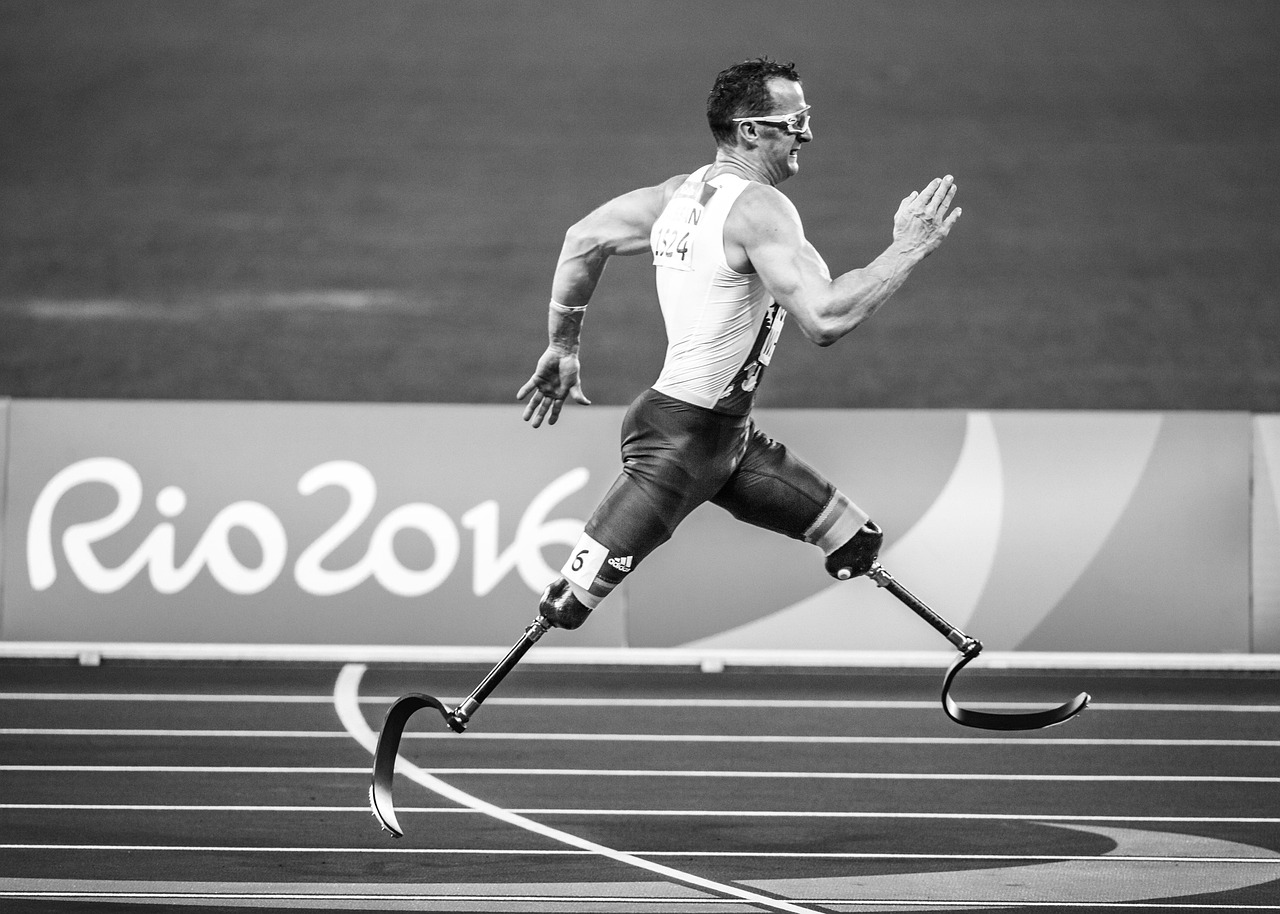

Working with Coaches: Communication Tips for Swimmers with Disabilities
Effective communication between swimmers with disabilities and their coaches is crucial for tailored training that meets individual needs. Establishing a clear dialogue ensures that both parties understand training goals, challenges, and achievements. This involves discussing the swimmer’s condition, preferences, and any accommodations that might enhance performance. Coaches should demonstrate an open attitude, encouraging swimmers to express their thoughts freely. Incorporating accessible language and alternative communication methods can bridge gaps, especially for those with speech or hearing impairments. For instance, visual aids or sign language could be utilized. Setting regular check-ins opens opportunities for discussing progress and invites constructive feedback. Fostering a supportive environment where the swimmer feels comfortable will lead to improved motivation and results. Coaches should be patient and empathetic, acknowledging that every swimmer’s journey is unique. Open communication lines not only build trust but also foster a collaborative atmosphere conducive to success. Overall, respecting individual communication preferences empowers swimmers, allowing for both personal growth and improved techniques in the water. This proactive communication ultimately cultivates a successful training partnership and paves the way to achieving competitive goals.
To begin establishing rapport and effective communication, coaches can start by understanding the specific needs of their swimmers with disabilities. Engaging in one-on-one conversations allows for a deeper connection and ensures all relevant information is gathered. Coaches should not only inquire about the swimmer’s abilities but also their aspirations and fears within the swimming environment. This creates a foundation of trust and openness that can greatly enhance the training experience. Additionally, using the swimmer’s preferred communication styles, whether verbal, non-verbal, or through assistive technology, can make discussions smoother and more effective. Coaches must also be mindful of their tone of voice and body language, which can significantly impact the swimmer’s reaction. Enhancing this communication also involves learning pertinent terminology related to the swimmer’s disability, allowing the coach to speak knowledgeably. Creating a safe space for discussing challenges helps swimmers articulate their needs without fear of judgment. Regular dialogue about physical, emotional, and mental barriers provides vital insights that can inform training strategies. Ultimately, embracing this person-centered approach will lead to a more rewarding swimming experience for all involved.
Incorporating feedback into training practices is essential for coaches working with swimmers with disabilities. Regularly inviting input enables swimmers to express their feelings about techniques, exercises, and overall training sessions. Coaches should actively seek out constructive criticism and demonstrate that they value their swimmers’ opinions. This ongoing exchange helps fine-tune not only techniques but also fosters a culture of support and growth. When swimming practices adapt based on feedback, it ensures that training remains relevant and engaging for the swimmer. Additionally, celebrating progress, no matter how small, can motivate swimmers, reinforcing positive behaviors and effort. Implementing adaptive strategies may require thinking outside the box and using creative solutions to overcome unique challenges swimmers may face. Coaches can use visual schedules or cue cards that simplify complex instructions, enhancing comprehension during training. Developing personalized goals ensures that each swimmer feels acknowledged, promoting a sense of accomplishment and confidence. Tracking achievements over time allows both the coach and swimmer to reflect on progress, fostering motivation and commitment. Overall, this feedback-driven approach enhances the coach-swimmer relationship and leads to a successful swimming experience.
Training Adaptations and Techniques
Adapting training techniques based on individual swimmer needs can significantly improve the effectiveness of coaching. Coaches should evaluate different methods and tools to best accommodate swimmers with disabilities. This may include modifying drills, incorporating specialized equipment, or using alternative training programs tailored to specific capabilities. For example, swimmers requiring physical support may benefit from floatation devices, while others may need visual markers to aid navigation in the pool. Coaches should consider the swimmer’s physical attributes and preferences while determining the most beneficial strategies. Integrating technology, such as underwater video analysis, can provide visual feedback that enhances understanding of stroke mechanics. Establishing a flexible training schedule helps accommodate varying energy levels, ensuring the swimmer stays both engaged and safe. It is crucial for coaches to remain patient and observant, adjusting their approach based on the swimmer’s evolving needs. Fostering a sense of community within the training group might also encourage interaction and camaraderie among swimmers, facilitating improved communication. By prioritizing adaptations, coaches can create an inclusive training environment that fosters personal development and facilitates enjoyable swimming experiences, ultimately leading to success.
Creating a supportive team culture is paramount for swimmers with disabilities and involves coaches actively promoting inclusivity. Emphasizing the importance of teamwork encourages swimmers to forge connections based on shared experiences and objectives. Coaches should organize team-building activities that stimulate bonding, empathy, and trust among swimmers. Cultivating a sense of belonging has the potential to boost morale and overall well-being. When swimmers feel respected and understood, they’re more likely to engage openly in discussions about their preferences, fears, and achievements. Furthermore, encouraging swimmers to support each other promotes a positive environment, as they can share tips, strategies, and experiences. Consistently reinforcing messages of empowerment helps individuals recognize their unique strengths and contributions. Coaches can champion mentorship opportunities between experienced swimmers and newer members, fostering knowledge exchange and personal growth. Acknowledging and celebrating each swimmer’s individuality can help dispel any feelings of isolation or stigma related to disabilities. Ultimately, a harmonious team culture can lead to a more fulfilling swimming experience, characterized by encouragement, collaboration, and collective success within the water.
Goal Setting for Success
Establishing clear and attainable goals is essential for swimmers with disabilities and should involve collaborative discussions between coaches and swimmers. These goals should reflect each swimmer’s individual strengths and challenges while promoting motivation and perseverance. Coaches should guide swimmers in identifying long-term objectives, such as swim meet participation, and break them down into smaller, achievable milestones. This progression not only builds confidence but also allows for celebrating triumphs along the way. Documenting each swimmer’s goals helps track their journey and allows for adjustments when needed. It is vital that swimmers feel a sense of ownership over their objectives, as this will lead to increased commitment and accountability. Coaches should periodically review progress with swimmers, reinforcing their achievements and identifying areas that might require additional focus. Providing ongoing encouragement and recognizing improvements, no matter how minor, fosters a positive mindset. By aligning training activities with these individualized goals, both coaches and swimmers can remain on the same page regarding expectations and outcomes. Ultimately, this collaborative approach ensures that goals are not only met but surpassed, resulting in personal growth and enhanced performance.
Lastly, focusing on mental health and well-being is imperative for swimmers with disabilities, and coaches play a crucial role in this area. Understanding the psychological aspects of competitive swimming allows coaches to provide better support for their swimmers. Open conversations about mental health encourage swimmers to share their feelings and concerns, reinforcing the importance of emotional well-being. Coaches should be sensitive to the mental pressures faced by athletes and create an environment where swimmers feel comfortable discussing these topics. Integrating relaxation techniques, such as mindfulness or breathing exercises, into training can also help swimmers develop coping strategies. Encouraging breaks when needed is essential to allow swimmers to recharge mentally and physically. Celebrating mental health awareness fosters a supportive culture that values every swimmer’s psychological state. Coaches can also provide resources, such as counseling services, if needed, ensuring swimmers feel supported beyond training sessions. Ultimately, prioritizing mental health alongside physical training contributes to a holistic approach to coaching. Supporting the mental and emotional well-being of swimmers will lead to a more positive swimming experience and better overall performance.
In conclusion, effective communication and support between coaches and swimmers with disabilities create a foundation for successful swimming experiences. By embracing adaptive techniques, fostering team culture, and prioritizing individual needs, coaches can build strong relationships with their swimmers, enhancing both performance and personal growth. Engaged coaching practices that prioritize the unique strengths and challenges faced by swimmers lay the groundwork for impactful training sessions. With a focus on collaboration, feedback, and open dialogue, swimmers feel empowered and motivated to reach their goals. Celebrating progress and adapting to ongoing needs ensures that every swimmer feels recognized, leading them towards success in and out of the pool. As a result, this team-oriented approach cultivates an inclusive swimming environment that embraces diversity and encourages athletes to thrive. Ultimately, the combined efforts of swimmers, coaches, and team members will lead to greater achievements, both in technique and personal fulfillment. With these strategies in place, the world of swimming becomes a cherished space for everyone. Through commitment and understanding, the swim community can flourish, fostering a culture of encouragement and excellence for athletes of all backgrounds.