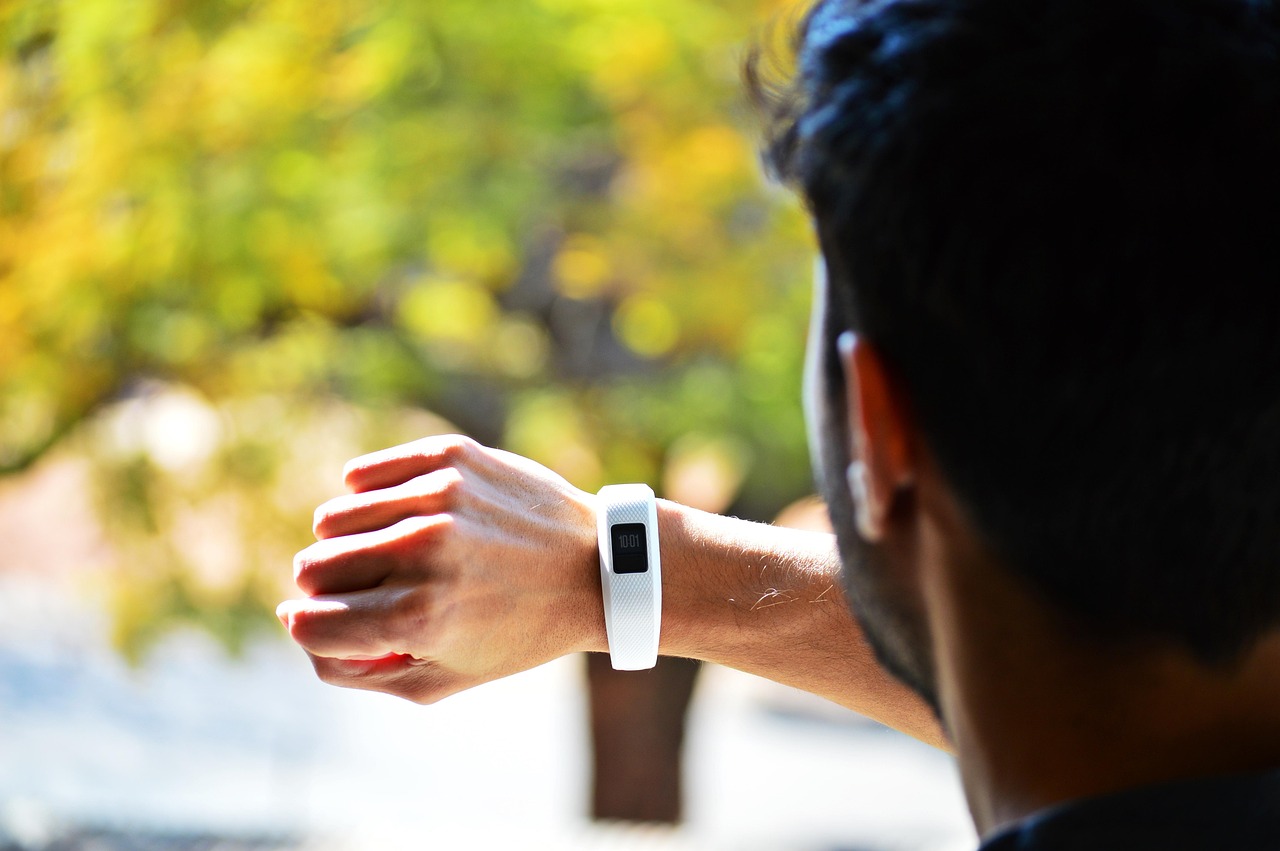

Wearable Tech and Fitness Gamification: Tracking Progress Through Play
In recent years, the fitness industry has witnessed significant transformation due to gamification, especially in conjunction with wearable technology. Fitness gamification refers to the process of applying game-design elements in non-gaming contexts, aimed at enhancing user engagement and motivation. This trend has been accelerated by the proliferation of wearable devices that track physical activity, heart rate, and various other health metrics. These devices allow users to monitor their progress in real-time, providing immediate feedback that can enhance their fitness journey. Furthermore, gamifying workouts through challenges, leaderboards, and rewards has proven effective in keeping individuals committed to their health goals. Participants find joy in competing with friends, aiming for personal records, or participating in community challenges. In addition, gamification leverages behavioral psychology principles, reinforcing positive habits over time. This approach effectively converts exercising into a fun experience rather than merely a chore. Users can view their workouts as a game, increasing their chances of sticking to a fitness routine. As such, fitness apps today incorporate both tracking and gamification features, appealing to a broader audience while ensuring user satisfaction.
Available wearable technologies range from smartwatches to fitness trackers, each providing unique functionalities. These devices can gather an array of data, which can be utilized for more than just tracking steps; they can facilitate calorie counting, monitor sleep patterns, and even connect users with a community of fitness enthusiasts. For instance, platforms like Strava and Fitbit integrate gaming mechanisms to create a competitive environment while enabling users to track their achievements. The social aspect of these platforms encourages users to share their progress and compete through various leaderboards. Furthermore, individuals can earn virtual badges or rewards for achieving specific milestones. Such incentives motivate users to push beyond their limits. Additionally, many wearables now incorporate virtual or augmented reality features alongside gamification, allowing fitness enthusiasts to immerse themselves in interactive workouts or virtual competitions. This integration not only enhances workout experiences but also helps users stay motivated continuously. As wearable technology evolves, combining it with gamification strategies enhances training programs. Therefore, individuals can enjoy their fitness journeys instead of viewing them as obligation, ultimately leading to healthier lifestyles.
The Impact of Wearable Fitness Tech
Moreover, the impact of wearable fitness technology dives deeper than metrics; it reshapes user expectations and experiences. Users today expect personalized workouts and automated insights based on their activity data. Many wearable devices use artificial intelligence to analyze user data, providing customized recommendations. This level of personalization has been shown to improve adherence to exercise programs significantly. When users feel that their specific needs are understood and met, their motivation increases collectively. Additionally, gamification of fitness through wearables promotes accountability. Users are more likely to stay committed to their fitness plans when they know that their progress is being monitored. This paradigm shift also encourages friendly competition among users and communities, fostering social accountability. With social features prevalent in many fitness apps, users can challenge friends while keeping track of each other’s activity. This sense of community can amplify the impact of gamification, making individuals more likely to reach their fitness goals. Consequently, wearable technology influences how fitness is perceived and approached, transforming a solitary task into a shared journey through competition and interaction.
In recent times, the growth of the fitness industry has also led to innovative partnerships between gamification and Body Metrics. These collaborations increase interest around personal health and wellness elements vital for long-lasting change. This shift in focus encourages developers to create more features that cater to user preferences, ensuring they look forward to achieving fitness benchmarks. Traditional workout approaches often fail to meet the evolving needs of individuals, leading to inertia, boredom, or abandonment. This is where gamified systems come in, increasing user retention and enjoyment levels significantly. Furthermore, as technology progresses, the lines between gaming and reality blurs; with fitness-based games like Ring Fit Adventure, users can engage in physical activities that resemble traditional gaming experiences. By utilizing augmented reality, users can interact with their environment in a way that promotes fitness and fun simultaneously. Brands are undoubtedly racing towards creatively combining fitness and gaming to attract broader audiences. With these advancements, the possibilities for fitness gamification are limitless and provide a fresh outlook on physical activity for various demographics, particularly younger individuals who thrive in a technological landscape.
Challenges and Considerations
Despite the positive aspects of gamification, there are notable challenges and considerations surrounding its implementation. The effectiveness of gamification largely depends on individual preferences, meaning that not everyone responds positively to competitive environments. For some users, constant comparisons and rankings might induce anxiety, discouraging them from participating altogether. Thus, it is essential for developers to incorporate various game mechanisms that cater to diverse motivations and fitness levels. Striking the right balance between competition and personal achievement is crucial. Additionally, as users interact more with technology, there are concerns regarding data privacy and the ethical use of collected information. Companies must establish transparent policies to safeguard users, fostering trust in the ecosystem of wearable technology. Furthermore, accessibility considerations must also be made, ensuring that essential gamified features are suitable for everyone, regardless of their physical abilities. Ultimately, tackling these challenges while fostering a supportive and encouraging atmosphere will help maximize the benefits of fitness gamification through wearable tech, promoting healthier lifestyles without sacrificing user well-being or experience.
As fitness gamification evolves, trends emerge that shape the future of this integration with wearable technology. One prominent trend is incorporating virtual coaching, where AI-driven systems provide personalized guidance based on user performance data. Users can receive immediate tips or motivational feedback during workouts, leading to improved performance. Furthermore, the rise of blockchain technology in fitness apps introduces a new method of incentivizing healthy behavior through tokens or cryptocurrencies. Users may earn rewards that can be traded for various products or services, promoting sustained engagement levels. Another trend is the growing interest in social fitness communities that drive user motivation. These platforms foster collaboration, accountability, and emotional connections between members. Technologies enabling remote workouts or live-stream classes have witnessed outstanding success, particularly post-pandemic. Digital platforms allow users to join boutique fitness classes from the comfort of their homes. As participants engage with instructors and other users, motivation and overall satisfaction greatly improve. These emerging trends emphasize the need for continuous innovation within wearable tech and gamified systems, ensuring that fitness remains an enjoyable, rewarding experience for users across various backgrounds.
Conclusion: Envisioning Future Innovations
In conclusion, the relationship between wearable technology and fitness gamification signifies a transformative shift within the fitness industry. As consumers continue thriving for interactive and engaging workouts, the fusion of these elements ensures sustained growth. Companies must remain agile and responsive to evolving user needs while harnessing advances in technology to refine fitness experiences continually. The emphasis on personalization, community engagement, and enhancing user interactions will undoubtedly drive future innovations. By adapting gamified systems to cater to diverse audiences, fitness brands can positively influence the health landscape for years to come. Moreover, educators and health practitioners can leverage these technologies to promote healthier habits beyond pure exercise, integrating holistic wellness into fitness gamification methods. As wearables evolve, the future landscape may see more innovative uses of gamification in encouraging long-term commitment to fitness goals. By understanding individual motivations, fitness mentors can provide tailored experiences that resonate with users. Ultimately, wearable tech and gamification represent a powerful combination that unites technology and health in a meaningful manner, ensuring that fitness continues to flourish in diverse forms.
This final note encourages each individual to identify their motivations and preferences in fitness. With the right approach, technology can bridge the gap between enjoyment and health. Wearable tech and gamification can potentially reshape the fitness landscape. Rather than focusing solely on achieving physical milestones, users should acknowledge the process. By engaging in enjoyable fitness experiences, sustaining healthy habits becomes less daunting. It is essential to remember that everyone’s fitness journey is unique. By leveraging available wearable devices and gamified systems, achieving fitness goals merges effortlessly with fun. This shifts the paradigm of fitness towards a more enjoyable and engaging perspective. As more advancements unfold, users can look forward to innovative experiences. Eventually, incorporating these elements into their daily lives can enhance overall well-being. As the fitness industry progresses, individuals will find encouragement and community in these gamified experiences. Anyone ready to embark on their fitness journey should explore the wide array of available wearables. In doing so, they will find companions for their journey and incentives that perfectly align with their aspirations. By embracing this evolution, the future of fitness can become a positively rewarding experience.