
Using Virtual Reality with Cardio Equipment for Immersive Training
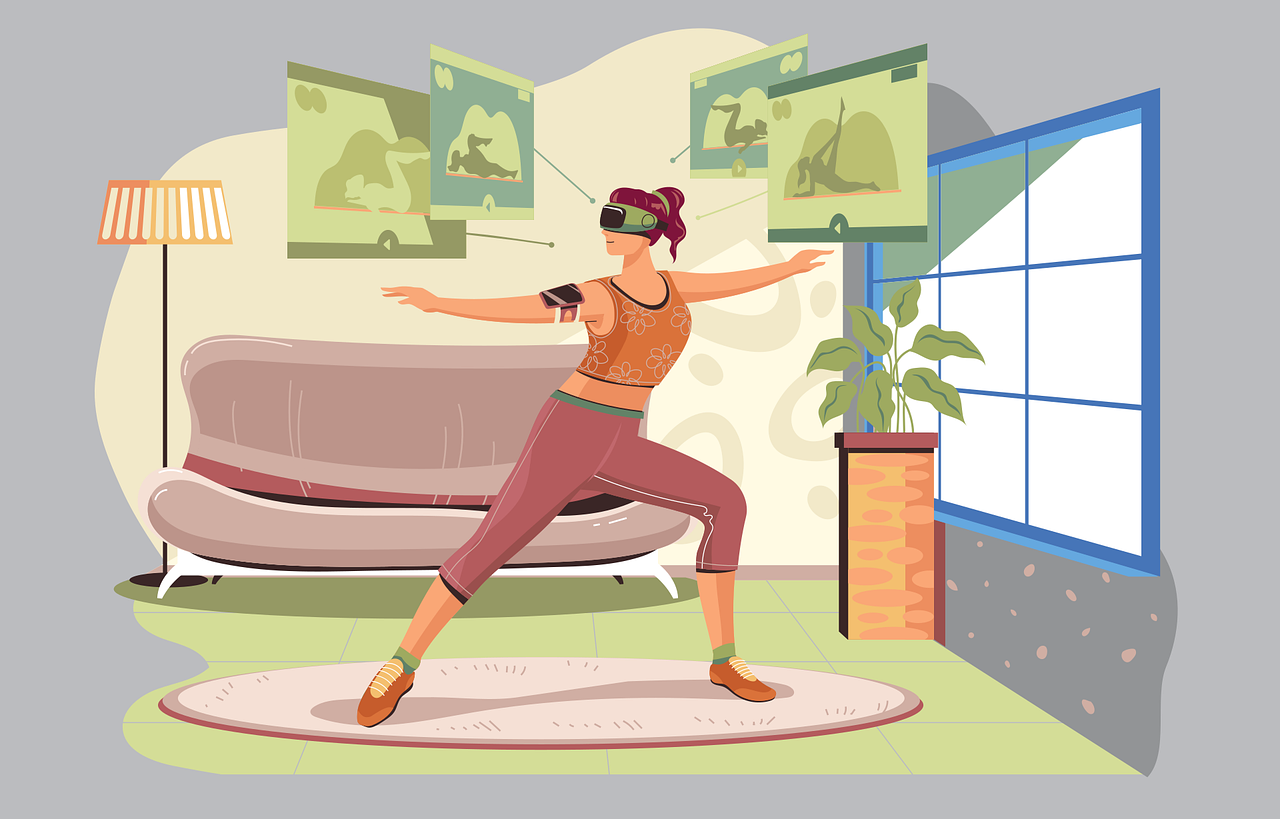
In recent years, the integration of virtual reality (VR) with cardio equipment has transformed the landscape of fitness training. This innovative approach offers users an immersive experience that enhances motivation and engagement while exercising. Traditional cardio workouts can often feel monotonous; however, implementing VR technology addresses this issue by providing thrilling, interactive environments that captivate users throughout their routine. With virtual reality headsets, users are transported into immersive landscapes, making them feel as if they are cycling through a picturesque mountain range or running on a serene beach. As they train within these stimulating environments, users can focus better and enjoy their workouts much more. Moreover, the promise of competition, such as racing against friends in a virtual setting or overcoming challenges, further increases user enjoyment. This blend of physical training and virtual experiences can lead to more consistent exercise habits and ultimately improved cardiovascular health. As technology continues to advance, we can expect even more seamless integrations of VR with cardio equipment, pushing the boundaries of how we think about fitness and exercise.
Developing cardio endurance through traditional methods often requires immense discipline and motivation. However, the introduction of virtual reality not only transforms the environment but also enhances overall workout effectiveness. By using VR cardio equipment, individuals can engage with various unique experiences, such as exploring exotic locations, while simultaneously completing their workout routines. This innovative approach significantly alleviates boredom, which often leads to high dropout rates in fitness programs. Users can immerse themselves in interactive games or simulated sports from the comfort of their gym or home, making exercise feel less like a chore. The psychological benefits are substantial, as studies indicate that individuals exercising in stimulating environments tend to achieve superior cardiovascular performance compared to those in standard settings. Participants experience decreased perceived exertion, leading them to push harder during their sessions and attain better results. Furthermore, VR can facilitate social connections by allowing friends to join workouts or compete against one another. This social engagement adds an element of fun and camaraderie, enriching the overall workout experience and increasing long-term commitment toward cardiovascular fitness.
Benefits of VR in Cardiovascular Training
The benefits of using virtual reality in cardiovascular training extend far beyond mere entertainment value. By actively engaging in workouts, users develop deeper cognitive connections with their body movements, enhancing their overall performance. Immersive experiences often encourage individuals to push beyond their limits, resulting in improved endurance and overall cardiovascular health. The potential for engaging interactions with others simultaneously also fosters a sense of accountability, as friends encourage one another and share their progress. With gamification features, workout objectives become more captivating, driving users to always strive for improvement. Virtual reality can help track progress, providing informative insights regarding heart rate, calories burned, and overall performance metrics, enabling users to record and measure their successes. Such information empowers individuals to set realistic goals and ultimately achieve them. As participants see tangible results from their VR cardio workouts, their motivation soars, inspiring them to shift from a sedentary lifestyle toward more vigorous, health-promoting activities. Consequently, this invigorating combination of technology and fitness is creating lasting changes in how we perceive and approach cardiovascular training.
Integrating virtual reality into cardio routines warrants consideration of user-friendly equipment and software platforms. The development of VR cardio equipment is continually growing to enhance user experiences while optimizing performance. Many fitness enthusiasts now have access to VR-enabled bikes, treadmills, and ellipticals, allowing for versatile workouts that seamlessly blend technology with traditional fitness strategies. This dynamic fusion offers more options for users to engage in meaningful ways that were previously unavailable. Specialized VR programs are increasingly available, providing tailored workouts and virtual coaching, making it easy for users to optimize their training sessions. Safety is also crucial; developers strive to ensure that users can move freely without losing balance or risking injury while using VR devices. Comprehensive instructions accompany the equipment, guiding users through the installation and usage processes to ensure a seamless experience. Furthermore, as fitness centers and personal trainers analyze the increasing appreciation for these innovative tools, they are beginning to incorporate VR stations into their existing offerings, showcasing their commitment to enhancing gym culture and improving user satisfaction through advanced technology.
Challenges and Considerations
Despite the numerous advantages VR provides in cardiovascular training, various challenges must be addressed to ensure its effective implementation. For instance, equipment can be costly, making it inaccessible for many users who may benefit from immersive training. Individuals looking to engage in VR cardio workouts must assess the affordability and practicality of such technology as a long-term investment. Additionally, there are concerns regarding the potential for motion sickness while using VR headsets, which some users may experience during intense physical activity. Developers must continuously advance their technology to mitigate these issues, striving for a more comfortable and enjoyable experience for all users. Furthermore, proper training and education on VR technology are essential to facilitate user understanding of equipment utilization and best practices for optimal physical performance. Not only will this ensure safety, but it will also greatly enhance user satisfaction and long-term commitment to integrating VR into their exercise regimens. The ongoing evolution of VR in fitness demands collaboration between technology experts and fitness professionals to create innovative, safe solutions tailored to user needs.
Participating in immersive training experiences allows users to extract more enjoyment and motivation from their workouts. Personal health and fitness goals can be more effectively pursued when leveraging these technology-driven systems. As exercise adheres to the increasing digital landscape, tracking results, gaining accountability, and sharing achievements with friends become inherently integrated into the process. Virtual reality’s potential to build habits and foster community within the fitness realm cannot be overstated. Users might participate in group classes, motivate one another, and engage in shared challenges via VR platforms, enhancing their overall experience. Adapting to the rapidly evolving approach to fitness is crucial in our increasingly digitized world; understanding and learning to navigate these changes will ensure that users stay ahead in their fitness journeys while reaping the rewards of technology. Furthermore, as the fitness industry increasingly taps into technological advancements, cultivating partnerships between VR developers and fitness organizations becomes paramount. Doing so can lead to new innovations and expanding the reach of immersive training programs, bringing exceptional health benefits to a broader audience and transforming the perception of cardio workouts into exciting adventures.
The Future of VR in Cardio Equipment
The future of virtual reality in cardio equipment is bright, filled with immense potential for growth and innovation. As technology advances, we can expect even more sophisticated and lifelike virtual environments that will transform how we view fitness routines. Enhanced user interfaces, cutting-edge graphics, and increased interactivity may lead to new possibilities for cardiovascular training. Furthermore, as wearable technology continues to evolve, integrating real-time health monitoring into VR platforms offers unparalleled insights into workout efficacy. The prospect of collecting biosensor data during immersive experiences enables users to receive tailored feedback instantly, optimizing performance and effectiveness. With this data-driven approach to fitness, individuals will be better equipped to assess their progress and tailor their training regimens. As fitness establishments begin to offer more immersive experiences through VR programs, we can anticipate an increasing acceptance of technology-driven solutions within traditional workout environments. This integration will not only diversify fitness offerings but could eventually redefine what it means to engage in cardiovascular training, encouraging broader participation and promoting healthier lifestyles among entire communities.
In summary, virtual reality offers a transformative approach to cardiovascular training, creating a more engaging and effective exercise experience. By offering immersive environments, interactive features, and real-time feedback, individuals can find new motivation and excitement in their workouts. Cardio equipment is evolving, driven by advancements in technology and ongoing research to optimize user experiences. Embracing virtual reality as a key component of fitness will lead to improved performance and promote lasting lifestyle changes. As technology continues to evolve, the possibilities for immersive training experiences will expand, bringing forth new opportunities to attract users to cardiovascular fitness. Understanding how this technology can be leveraged in the fitness industry will ultimately lead to greater participation rates and better health across the board. As we think about the future of cardio training, it is essential to champion innovative solutions that inspire individuals to adopt healthier routines and embrace fitness. Virtual reality in cardio workouts is just the beginning of a significant shift we are witnessing in our approach to physical activity, encouraging broad changes in the perception of exercise as an enjoyable and essential aspect of life.