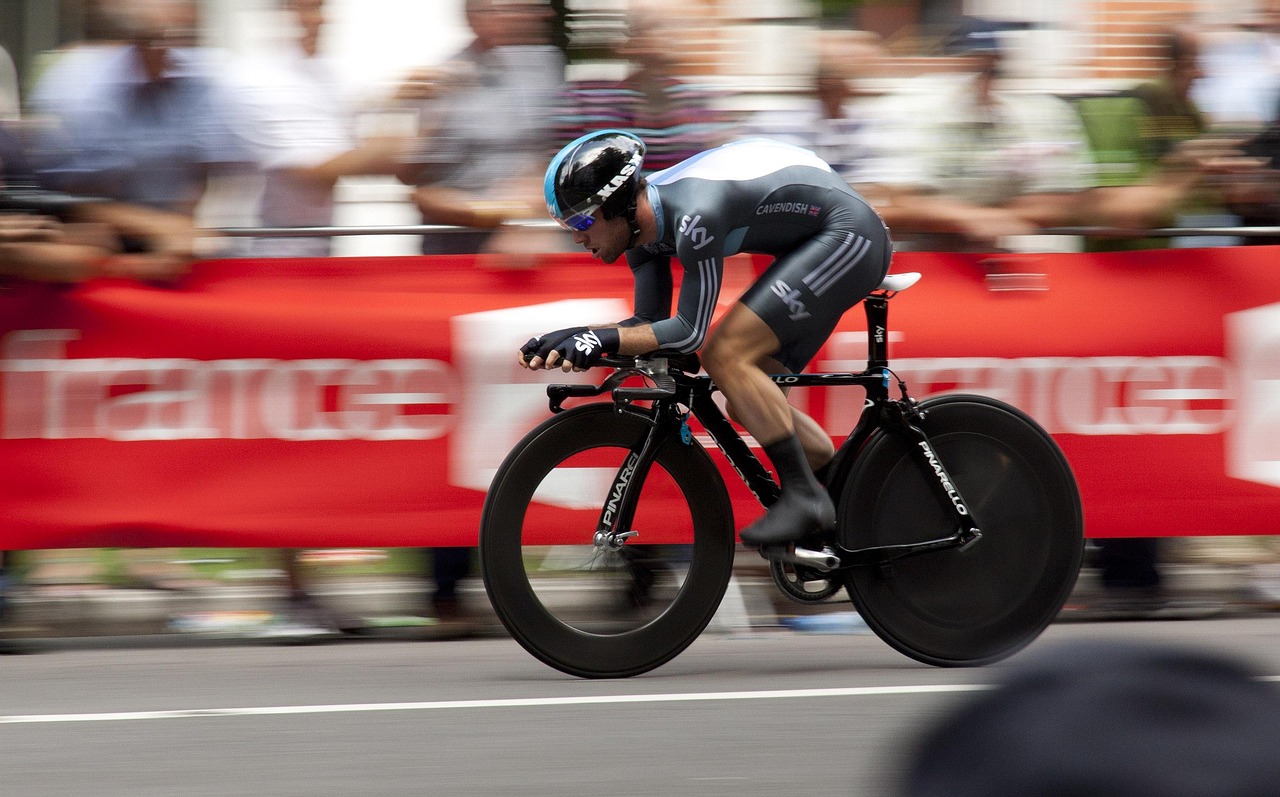

Top Bike Fitting Tips for Road Cycling Enthusiasts
When embarking on your journey towards a well-fitted bike, it’s crucial to begin with understanding your body. The ideal bike fitting process starts with measuring your physical dimensions. Accurate measurements of your inseam, torso, and arms will give you a baseline to determine frame size and geometry. The key measurements will help you to select the right size bike that fits you well, allowing greater efficiency and comfort during your rides. Proper fitting can also reduce the risk of injury, enhancing your overall cycling experience. Also, be mindful of factors like flexibility and riding style which influence your fitting decisions. When it comes to setting the saddle height, ensure it’s aligned with your hip joint while the pedals are at the six o’clock position for optimal comfort. Your handlebar height should also promote natural wrist angle to avoid strain and fatigue. Finally, always consult a professional if you are unsure, as they have the skills to help you achieve the best fit possible. Enduring discomfort during long rides can be significantly decreased with proper fitting.
Your saddle position significantly impacts both your comfort and performance.
A good quality saddle that suits your sit bones is vital for efficiency. To find the right saddle, consider factors such as width, padding, and shape that are compatible with your pelvic structure. The correct saddle height should ensure that your leg is almost fully extended at the bottom pedal stroke while maintaining a slight bend at the knee. Remember to keep your pelvis neutral to avoid rolling or excessive movement, which can lead to discomfort. Experiment with small adjustments, like moving the saddle forward or backward, to find your ideal position. Check that your saddle angle is level or slightly tilted down to avoid unnecessary pressure on sensitive areas. Lastly, regularly inspect and maintain your saddle and replacement as required, as wear and tear may affect performance and comfort. Investing in quality saddle time will yield positive returns as road cyclists witness improved endurance and reduced fatigue. Don’t overlook the importance of testing various positions and shapes before making a final decision on your saddle. Make cycling a more pleasurable experience as you pave the way for many enjoyable rides ahead.
Importance of Cleats and Cycling Shoes
The choice of cleats and cycling shoes can affect your pedaling efficiency tremendously. Choosing a quality cycling shoe designed for your specific type of cycling can enhance your connection to the bike. Properly fitting shoes can help maximise power transfer when pedaling. It’s essential to match your shoes with the appropriate cleat system, as there are several types available in the market. Experiment with various cleat positions to find what feels most comfortable and powerful for your riding style. Ensure the cleats are securely attached to avoid them coming loose. Eye all areas around the shoe where you may experience pressure points. Adjust and accommodate your shoes to eliminate any potential discomfort. The right shoes offer great in-step support, and lightness and allow for an efficient pedaling motion. Focus on the materials, weight, and style that aligns with your cycling needs. Look for riding shoes with adequate ventilation, as this can improve overall comfort during long rides. Spending time choosing the right pair of shoes will enhance your cycling experience, allowing you to tackle rides enthusiastically and comfortably.
Bike components can greatly influence comfort and fitting as well.
The handlebars, stem, and seat post are crucial for ensuring that the rider enjoys a relaxed riding position. Choosing the right width for handlebars can impact shoulder positioning and reduce fatigue. Your upper body posture should be natural; this means you may need to test various widths for ideal comfort. Pay attention to bar height and tilt when making adjustments as they influence your torso angle. A lower handlebar position ensures aerodynamic riding while also offering potential discomfort for riders not accustomed to such angles. Experimenting with stem lengths may also result in better comfort as it alters the distance between the saddle and handlebars, helping avoid excessive reach. Additionally, ensure the control levers are positioned conveniently for easy access while riding. As moments might arise when quick action is necessary, ensuring your hands can reach brakes and gears without disrupting your riding flow is essential. Make notes of the adjustments to track what works best, ultimately enhancing both comfort and performance over extensive cycling distances.
Regular Check-Ups for Optimal Fit
Your bike fitting is not a one-time event, and regular check-ups are necessary to maintain optimal comfort. As you cycle more, your body can adapt to regular riding, requiring adjustments to your initial bike setup. There are numerous factors such as strength and flexibility that may influence how your bike feels. It is essential to listen to your body and recognize signs of discomfort, which may indicate that readjustments are necessary. Schedule a fitting session at least once a year or after significant journeys or events. Never hesitate to enlist the service of a competent bike fitter, as they can provide guidance during different stages. During these sessions, it’s essential to address various elements like saddle height, handlebar positions, or even toe in/out angles regarding your cleats. Cycling habits change and evolve over time, and a bike that once felt comfortable might become less suitable. Keeping comprehensive records of past fittings will allow for better comparisons and quicker adjustments, streamlining the fitting process each time. Effective communication with your fitter will play an essential role.
Invest in the right tools to help you achieve the best fitting.
Tools like a proper bike fit jig can provide precise readings for angles and measurements, assisting in making fast and accurate adjustments. Measure your base-line dimensions with a calibrated tool to ensure repeatable results. A torque wrench is vital, particularly when installing and adjusting components, guaranteeing adherence to manufacturers’ specifications. By ensuring proper torque, you prevent parts from slipping while gaining maximum performance from your bike. Consider adding digital level tools to check angle positions on stems or saddles. Also essential are adjusting stands to enable you to make fine changes while keeping the bike secure. Stay focused on reliable and high-quality tools as they can save time while ensuring the correct measurements. Invest in a good ruler or measuring tape to avoid guesswork. Along with precise readings, utilising these tools regularly promotes a culture of constant improvement. Following these tips helps maintain bicycle reliability while securing your comfort during all rides. Combined, these measures will enhance the way you connect with your bike.
Riding Style Considerations
Your riding style heavily influences how you approach bike fitting. The fit necessary for long-distance road cycling may differ from the requirements of short sprints or commuting. For endurance riders, comfort and stability are critical; hence, a more relaxed position that keeps pressure off certain areas may be preferable. It requires adapting saddle and handlebar heights to maintain an ergonomic posture for extended durations. In contrast, cyclists seeking performance might prefer a more aggressive position, which could necessitate deeper adjustments. Leveraging fully aerodynamic positions may improve overall performance metrics during races, though it is essential to adapt gradually to these shifts. With varying factors at play, including flexibility and core strength, always pay attention to your body’s response while making adjustments. If you are experiencing discomfort or fatigue, try modifying your posture. Furthermore, the type of riding you often engage in will inform your fitting choices. Taking the time to analyse your common rides and preferences will lead to more strategic fitting decisions, directly impacting your enjoyment with each pedal stroke.
Incorporating periodic evaluations post-fit can further enhance long-term satisfaction.
After completing a fitting process, it’s beneficial to keep a diary noting how the bike feels during different rides. Jot down any discomfort or pains experienced after multiple hours on the bike to analyse patterns. After a month, evaluate your findings and have a specialist review them. Ensure that feedback loops are established, allowing for ongoing improvements and identifying the fit evolution over time. Think of bike fitting as an ongoing journey rather than a mere destination; allowing for flexibility during physical changes improves overall experience significantly. Use training and performance metrics to gauge whether adjustments positively impact your component choices. Regularly revisit and assess progress to minimize risks of injury. Additionally, it would help if you shared insights from experienced cyclists to enhance your understanding of optimal fit across various rides. Ultimately, maintaining the right fit fosters a connection between the cyclist and the bicycle, creating a more satisfying experience during each ride. The cumulative benefits of addressing fit challenges will become more apparent as you incorporate these practices.