
Effective Cool-down Techniques After Speed Training Sessions
Speed training is an essential aspect of athletic performance, providing numerous benefits like enhanced explosiveness, agility, and reaction time. However, it is equally crucial to engage in effective cool-down techniques after these high-intensity sessions. Cool-downs help restore your heart rate and promote recovery, reducing the risk of injury. Various techniques can be utilized during the cool-down period, including stretching and light aerobic activities. Stretching aids in muscle recovery and flexibility, while light activities help flush out lactic acid. Additionally, hydration plays a crucial role, assisting in metabolic recovery and reducing soreness. Incorporating these practices into your routine can bolster the efficacy of your training regimen and ensure longevity in your sports performance. Stick with these techniques consistently to maximize your speed training outcomes.
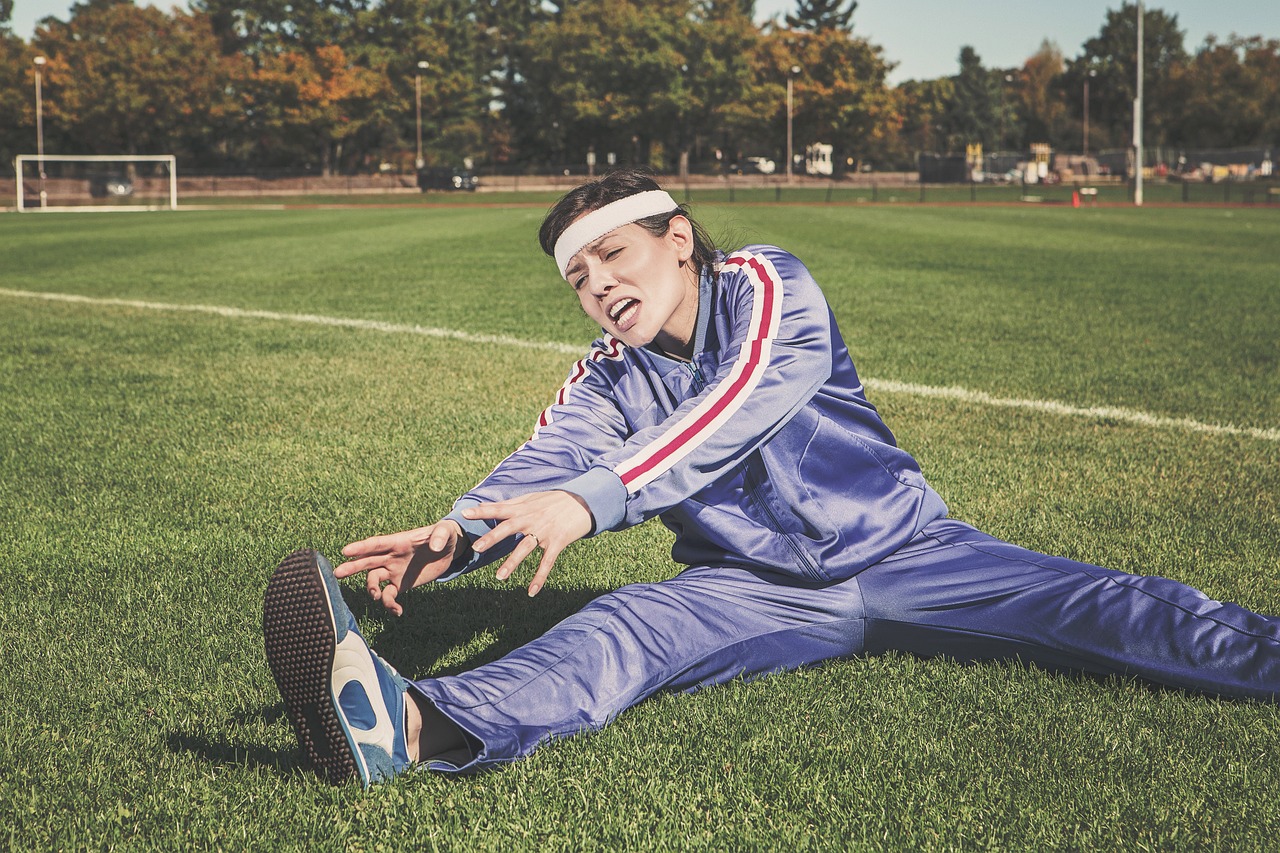
Engaging in proper stretching after speed training can significantly enhance recovery and reduce muscle stiffness. Among the myriad of stretching techniques, static stretching has proven effective. This method involves holding stretches for a set period, usually between 15 to 30 seconds, to facilitate relaxation and elongation of muscle fibers. Focus on major muscle groups utilized during training, such as quadriceps, hamstrings, and calves. Dynamic stretches are beneficial before training, but static stretches should be reserved for post-session. Including techniques such as the standing quad stretch, seated hamstring stretch, and calf stretch can help maintain flexibility and mobility. Always ensure you perform stretches carefully to avoid any strain or injury. Performing these techniques post-speed training is crucial for optimal athletic performance and overall well-being.
Importance of Hydration After Intense Workouts
Post-speed training hydration is crucial for any athlete. Proper hydration is essential for various physiological processes, including temperature regulation, joint lubrication, and nutrient transport. After intense workouts, athletes lose significant fluid through sweat, and replenishing this loss aids recovery. Water is fundamental, but athletes might also benefit from electrolyte drinks to restore lost minerals. Electrolytes like sodium, potassium, and magnesium help maintain the body’s fluid balance and enhance recovery. Aim to drink water throughout the day and hydrate specifically after sessions, adjusting the amount based on conditions and personal sweat rates. Listen to your body; if you feel thirsty, be proactive in consuming fluids to prevent dehydration. Maintain your hydration levels to support sustained performance during subsequent training.
Incorporating foam rolling into your cool-down routine can improve recovery after speed training. Foam rolling helps alleviate muscle tightness, improve blood circulation, and promote relaxation. By applying pressure on sore areas, you can release muscle knots and reduce tension effectively. Focus on key muscle groups such as the glutes, quadriceps, hamstrings, and calves. Spend roughly one to two minutes per muscle group, rolling slowly and pausing on particularly tender spots. Foam rolling can also increase flexibility and range of motion over time. It’s essential to use proper technique, ensuring you apply the right amount of pressure without causing pain. Including foam rolling post-training can enhance your overall performance and decrease recovery time, allowing for more productive future sessions.
Rest and Active Recovery Methods
Rest and active recovery are vital for optimal recovery after speed training. While complete rest can be beneficial, engaging in light activities enhances blood flow and aids muscle recovery. Activities like walking, cycling, or swimming at a low intensity can promote active recovery by delivering oxygen and nutrients to fatigued muscles. Plan to integrate active recovery days into your training schedule to prevent overtraining and burnout. Include lower intensity workouts or specific mobility sessions. Incorporating yoga and stretching can improve flexibility and mental relaxation, further supporting recovery. Monitoring your body’s response to training and recovery ensures that you develop strength and speed without the risk of injuries. Striking a balance between training intensity and recovery is key to sustained sports performance.
Incorporating nutritional strategies post-speed training is crucial for recovery. Consuming a balanced meal or snack within 30 minutes of completing your session can optimize muscle recovery and glycogen replenishment. Aim for foods rich in carbohydrates and protein. Carbohydrates help restore lost glycogen, while protein aids muscle repair. Examples include a protein smoothie with fruits, yogurt, or a whole grain sandwich with lean meats. Additionally, consider including anti-inflammatory foods like berries, nuts, and leafy greens in your meals to combat post-training soreness. Adequate protein intake is vital, with recommendations suggesting at least 15–25 grams in your post-training meal. Paying attention to nutrition post-session is equally important as your training itself, allowing you to perform at your best consistently.
Importance of Mindfulness and Relaxation
Lastly, integrating mindfulness techniques into your cool-down routine can enhance recovery both physically and mentally. After speed training, take time to relax and engage in breathing exercises. Focused breathwork can help lower heart rates and instill a sense of calm. Techniques like meditation, visualization, or progressive muscle relaxation can alleviate stress and facilitate mental recovery. Spend a few minutes sitting or lying down, focusing on your breath or visualizing positive outcomes in your training. This practice not only aids in recovery but also prepares you mentally for future workouts. Maintaining a well-rounded cool-down routine that merges physical and mental recovery will ultimately boost your overall sports performance.
In conclusion, implementing effective cool-down techniques after speed training sessions is essential for any athlete. It encompasses stretching, hydration, foam rolling, active recovery, post-workout nutrition, and mindfulness practices. Each element plays an integral role in optimizing recovery, reducing injury risks, and improving overall performance. Neglecting the cool-down can lead to muscle soreness, increased fatigue, and hindered progress in training. Therefore, prioritize these strategies in your routine consistently for maximal effectiveness in your speed and agility workouts. Remember to listen to your body, adjust your techniques, and create a plan tailored to your needs. By investing in your recovery, you are preparing your body for future challenges and fostering long-term success in your athletic endeavors.