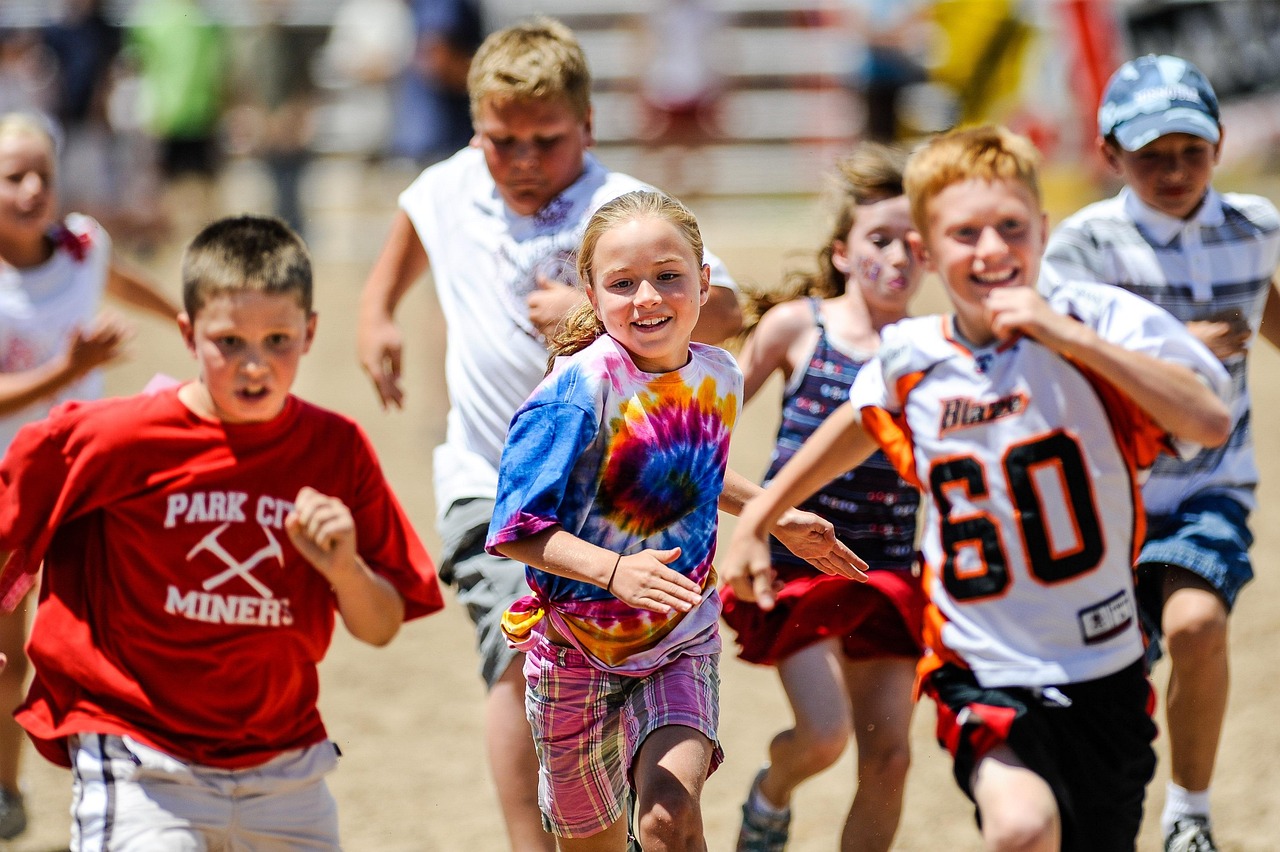

Developing Agility and Speed in School-Age Children
Agility and speed are crucial physical attributes that contribute to overall fitness and athletic performance in school-age children. These skills can be integrated into their regular activity routines to enhance their physical development. Research has shown that creating a fun and engaging environment encourages children to participate actively, which amplifies learning and improvement as they grow. Incorporating various formats of training can help maintain their interest and motivation. For instance, rhythmic exercises can effectively promote agility, while sprint drills can enhance speed. Establishing a balanced routine, mixing structured physical training with play, fosters not just agility and speed but also a love for physical activity that can last a lifetime. Activities can include obstacle courses, relay races, and coordination games. Parents and educators should provide ample opportunities for children to engage in such activities, ensuring they have fun while learning invaluable skills. By focusing on the fundamentals of proper techniques during these drills, children can build a solid foundation for future athletic endeavors. Being active at a young age promotes lifelong health benefits, and parents can facilitate this growth by being involved and encouraging their children.
Incorporating agility drills into children’s routines offers numerous developmental benefits. These drills encourage coordination, balance, and foot speed, all essential in various sports. Moreover, engaging in agility training helps improve neuro-muscular control, which can lead to better physical performance overall. Simple ladder drills, cone drills, and shuttle runs can be effective to begin. Practicing these can help children understand the fundamentals of movement while developing their reflexes. A structured approach to agility training can be combined with playful activities. For instance, turning drills into games can be a delightful way to keep children engaged. For example, tag games or races can foster competition and motivation without emphasizing the training aspect. When planning these activities, it’s essential to focus on the correct form to prevent injuries. Emphasizing drills that promote dynamic movement can greatly assist in developing agility. Furthermore, it’s essential to ensure that children are properly warmed up before starting any agility training. Good warm-up exercises prepare both the muscles and joints, reducing the chances of injuries. Additionally, maintaining hydration during the activity is crucial, as it greatly impacts overall performance and endurance.
The Importance of Speed Drills
Speed drills are a vital component of enhancing a child’s physical能力, especially for school-age children involved in team sports. These drills provide the foundation for quick bursts of speed that can be crucial during games or competitions. Engaging in speed drills can also help improve their cardiovascular health, which is essential for their growth. Sprinting techniques, such as high knees or butt kicks, are fundamental exercises that should be introduced. They can significantly contribute to a child’s overall speed development while also being enjoyable. Additionally, incorporating short-distance running, such as 20 to 40-yards sprints, can help children build their speed safely and effectively. Adding resistance through sprinting with parachutes or uphill sprints can further enhance these skills. Game-like situations that incorporate speed elements can keep young athletes motivated and excited. Coaches and parents should celebrate small victories during these drills to help build confidence and ambition. It’s essential to track progress to recognize improvement. Doing so encourages repeated efforts and additional practice. Consistency, along with appropriate rest periods, will yield the best results, ensuring that children perform at their peak while enjoying the benefits of greater speed.
When implementing training programs for developing agility and speed, it is critical to consider children’s age and physical maturity. Younger children may need more emphasis on play and exploratory movements rather than formal training sessions. At this stage, the focus should be on fun, interactivity, and fostering a love for movement. Activities that encourage natural movement patterns are essential for their development. As children progress into later childhood and adolescence, more structured training can take place. Implementing speed and agility drills tailored to their age and ability promotes healthy competition while ensuring they learn new skills. Setting clear, achievable goals can keep athletes focused and driven. Additionally, providing positive reinforcement enhances motivation levels and encourages further participation. Flexibility and mobility routines should also be integrated, as they contribute significantly to overall performance and injury prevention. Thus, a comprehensive approach is crucial. Monitoring improvements and adapting routines according to their needs and abilities are important for continued growth. Encouraging teamwork in training helps build crucial social skills. This also creates an environment of camaraderie and support among peers during practice sessions.
Monitoring Progress and Setting Goals
Setting realistic and achievable goals enables children to remain motivated to improve their speed and agility. Coaches and parents should assist them in developing individual benchmarks throughout their training journey. Tracking achievements can be a great tool to enhance motivation levels as well. Children should be proud of their improvements, no matter how small. Simple methods like timing their sprint times can provide quantitative feedback. Recording their times on paper or charts visually represents progress, making them eager to push harder. Additionally, incorporating peer assessments can foster healthy competition and camaraderie, which serve to strengthen motivation levels. Involving children in the goal-setting process promotes ownership of their personal fitness journeys. They learn to measure their individual progress, further motivating them to reach new heights. Once children begin attaining their goals, it becomes vital to set new ones. The cycle of setting challenging yet appropriate goals keeps training sessions engaging. Parents should stay involved and provide support and encouragement along the way. Balancing achievement with an appreciation of fun ensures that children remain interested in agility and speed activities throughout their growing years.
Engaging in recreational sports can provide an excellent avenue for children to apply their agility and speed training in a fun environment. Team sports such as basketball, soccer, and baseball encourage skill application while fostering essential social interaction. Moreover, participating in organized sports also promotes teamwork, discipline, and resilience. Providing opportunities for children to engage in competitive activities helps reinforce their learned skills effectively. These sports naturally incorporate agility and speed requirements, further building their confidence through real-life applications. Whether in informal settings, like neighborhood games, or organized leagues, children find joy while honing their skills. Sustained involvement increases overall physical literacy, leading to a more active lifestyle. Furthermore, introducing competitive settings can motivate children to practice even more. Parents should encourage participation in local teams, sports clinics, or training camps to foster improvement and agility. Being part of a team allows children to form friendships, creating lasting bonds. It also enables them to learn how to deal with victories and defeats effectively. Ultimately, active participation leads to a healthier, happier youth who can apply agility and speed beyond traditional exercises, paving the way for a lifelong appreciation of fitness.
Conclusion: The Role of Play in Development
Play is a powerful tool for developing agility and speed in children. When they engage in free play, they naturally enhance their movement skills without the pressures of structured training. Children become masters of their physicality through games, imitating and experimenting with movement in an authentic, spontaneous manner. Encouraging varied types of play—whether that involves running, jumping, climbing, or crawling—helps instill confidence in young athletes. This playfulness develops problem-solving skills and sharpens their ability to make quick decisions during physical activities. Additionally, engaging in imaginative play creates the perfect environment for fostering creativity in physical expression. As children explore different movements in a relaxed context, their unique traits emerge. Parents must provide opportunities for unstructured play as much as possible, allowing children to derive joy from movement. Such an approach fosters not only agility and speed but other vital attributes, including social skills and cognitive abilities. Overall, integrating play with organized activities can maximize the benefits of agility and speed training, leading to quality fitness experiences. Such experiences empower children, equipping them with skills to navigate both sports and everyday life successfully.
In summary, encouraging agility and speed in school-age children requires structured training combined with enjoyable play. This dual approach establishes a strong foundation for athletic skills while promoting lifelong fitness habits. Structuring activities to include both drills and free play yields a well-rounded experience. Early involvement in agility and speed training promotes coordination, cardiovascular health, and overall physical fitness. Likewise, setting realistic goals ensures children remain motivated and engaged. Celebrating countless small victories during their journey encourages a healthy mindset towards fitness. Moreover, promoting participation in recreational sports not only fosters skill application but also instills a sense of teamwork and social interaction. Parents and coaches must remain actively involved, offering guidance, encouragement, and support. A well-rounded fitness routine balances both organized training and spontaneous activities, keeping children interested and excited about being active. Importantly, the benefits of agility and speed training extend far beyond childhood. Young athletes develop essential life skills, social ability, and self-esteem during their growth. Creating avenues for ongoing participation in fitness lays a foundation for a healthier, happier future. With the right guidance, children can positively engage in their health, leading to improved quality of life, well-being, and enjoyment through physical activity.