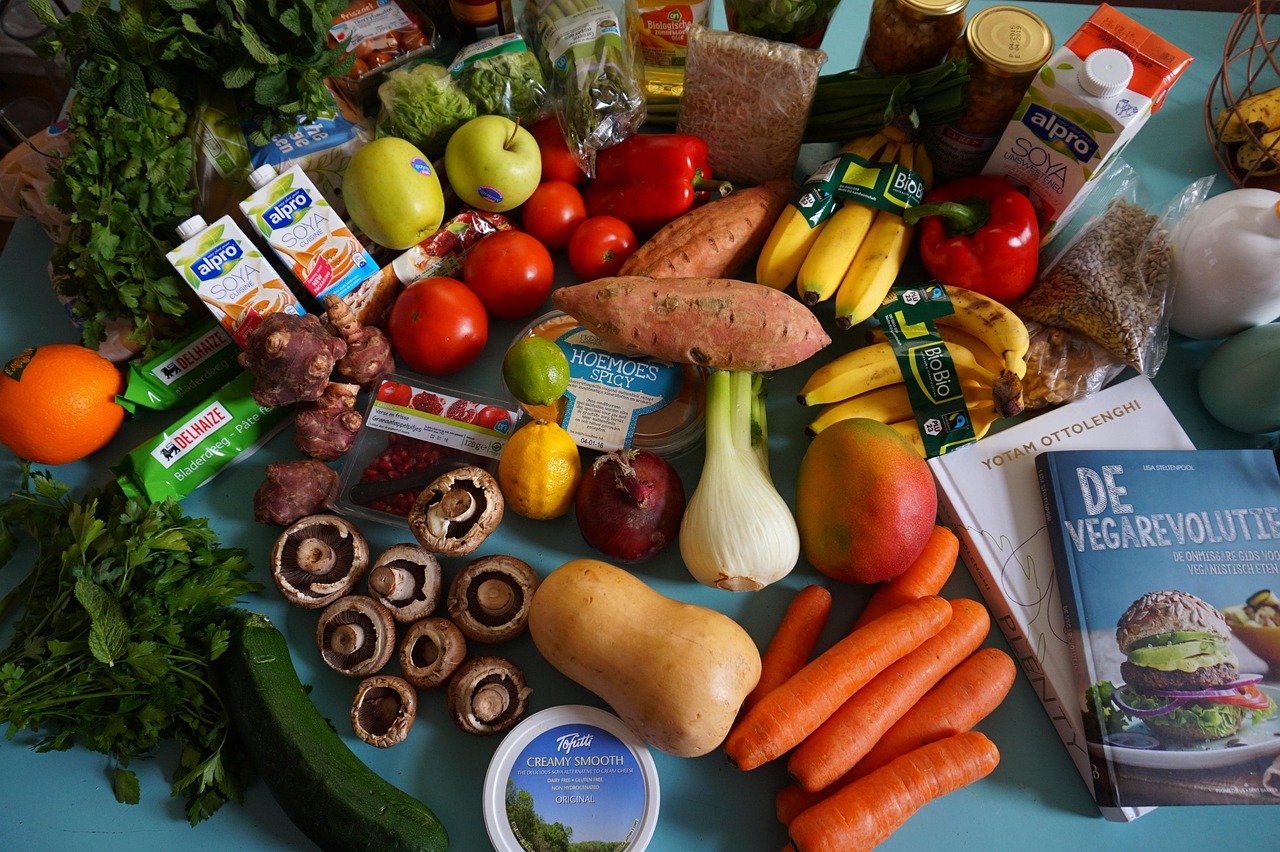

The Importance of Balanced Nutrition for Active Kids
Balanced nutrition is vital for active kids, as it not only supports their physical growth but also enhances cognitive development. A diet rich in essential nutrients helps children maintain high energy levels to keep up with their busy lifestyles. Parents should emphasize the importance of incorporating a variety of foods from all food groups, including fruits, vegetables, whole grains, proteins, and healthy fats. This diversity will ensure that kids receive a wide range of vitamins and minerals that are crucial for their health. It’s important to create an environment that encourages healthy eating habits at home, which includes preparing nutritious meals and snacks. Planning meals together can be a great way to engage children in their dietary choices. Moreover, involving them in cooking can spark interest in healthy options. The key is to present food in a fun and appealing manner, making nutritious choices not only beneficial but also enjoyable. In addition, education about food and its impact on health can empower kids to make better nutritional decisions throughout their lives. By establishing these habits early on, parents can set their children up for a lifelong commitment to balanced nutrition.
Whole grains are key components of a healthy diet for active kids, providing them with lasting energy that fuels their activities. Foods such as brown rice, whole-grain pasta, and oats are excellent sources of carbohydrates and fiber. This allows kids to feel full longer while supporting healthy digestion. Additionally, whole grains are packed with essential vitamins and minerals, aiding in their overall development. It’s important for parents to gradually introduce whole grains into their meals as substitutes for refined grains. By frequently including these foods in breakfast, lunch, and dinner, children will adapt to the flavors and textures of whole grains. Consider fun ideas like oatmeal with berries or whole-grain pancakes. Furthermore, snacks can also incorporate whole grains through popcorn or granola bars. Teaching kids about the benefits of whole grains through fun educational activities can make a positive impact. Engaging them in choosing foods at the grocery store provides a sense of ownership over their diets. By making whole grains a staple in their diet, parents can ensure kids not only receive the nourishment they need but also develop preferences for healthier options as they grow.
The Role of Fruits and Vegetables
Fruits and vegetables are indispensable for kids’ nutrition, providing vital vitamins, minerals, and antioxidants. These components are crucial for their immune system, promoting overall health and well-being. A colorful plate often indicates a variety of nutrients, making it essential for parents to encourage their kids to consume a rainbow of fruits and vegetables. Research shows that children who regularly eat diverse fruits and vegetables are less likely to develop chronic diseases later in life. Creative approaches such as smoothies or vegetable-based dips can significantly increase the appeal of these foods. Making meals fun by incorporating engaging presentations may also encourage kids to try new flavors. It’s essential to educate children about the health benefits associated with various fruits and vegetables, linking them to positive outcomes. Alongside nutrition education, visiting local farms or markets can spark interest in these foods. Moreover, parents should lead by example, as they play a vital role in instilling these healthy habits. By ensuring their diets are rich in fruits and vegetables, parents contribute to their children’s long-term health and ability to thrive in daily activities.
Proteins are crucial for muscle development, and active kids have increased protein needs to support their energy expenditures. Incorporating adequate sources of protein into their diet, such as lean meats, poultry, fish, dairy products, legumes, and nuts, helps promote healthy growth and development. Parents should aim to provide these protein sources at every meal while being mindful of portion sizes suitable for children. Understanding the vital role protein plays in repairing tissues and supporting immune function is essential for guiding healthy meal planning. Moreover, introducing diverse protein options can help children develop palates that are open to trying various foods, boosting their nutritional intake. For example, kids can enjoy grilled chicken wraps, lentil soups, or yogurt parfaits. Implementing fun cooking sessions where they can help prepare these meals will increase their interest. Nourishing snack options such as nut butter with whole-grain crackers or cheese sticks can make protein consumption exciting. This approach ensures children adhere to a balanced diet that promotes not only their physical health but cognitive and emotional well-being as well. Prioritizing protein consumption will set the stage for a structured dietary regimen throughout childhood.
Healthy Fats for Growing Bodies
Healthy fats are essential for young, active kids as they support brain development and energy needs. While it’s crucial to limit unhealthy fats found in processed snacks, healthy fats from sources like avocados, nuts, seeds, and olive oil should be emphasized. These fats provide vital nutrients, including omega-3 fatty acids, which are particularly beneficial for cognitive function. Parents should integrate healthy fats into meals in an appealing manner, such as using avocado spreads on toast or preparing trail mixes with nuts and dried fruits. This way, kids can enjoy the taste while receiving necessary nutrients. Additionally, educating children about the differences between healthy and unhealthy fats can help them make better nutritional choices as they mature. Introducing them to cooking techniques and recipes featuring healthy fats can further reinforce their understanding. Dishes such as salmon with olive oil drizzled vegetables can effectively promote healthy eating habits. Engaging in conversations about nutrition at the dinner table helps solidify these concepts. Incorporating healthy fats will not only improve dietary balance but also enhance overall satisfaction with meals, setting children on a path to lifelong healthy eating.
Hydration is an often-overlooked component of balanced nutrition for active kids. Regular water intake ensures optimum physiological function, especially during physical activities or sports. Essential for digestion, hydration also impacts cognition and energy levels, which are crucial for young athletes. Parents should encourage water consumption by offering water bottles and making it readily available at all times. Infusing water with slices of fruits or herbs can create an appealing hydration option for kids. It’s important to educate them about recognizing signs of dehydration, such as fatigue or headache, and to emphasize the benefits of staying hydrated during exercise. Parents can also integrate healthy beverages like milk, natural fruit juices, or coconut water into their diets, ensuring moderation and balance. Highlighting the importance of hydration before, during, and after physical activities can foster a sense of responsibility in children about their health. Additionally, setting hydration goals during sports practices can make the process engaging. By prioritizing hydration in their nutrition, parents enable children to maintain capacities for physical and cognitive tasks throughout the day efficiently, contributing positively to their overall health and well-being.
Inculcating Healthy Eating Habits
Creating a positive eating environment within the home is foundational for ensuring kids maintain balanced nutrition. Family meals are an excellent opportunity to strengthen connections while encouraging healthy eating patterns. Regularly preparing meals together also fosters communication about food options and choices, establishing traditions around nutrition. Limiting the availability of unhealthy snacks can promote better choices and reinforce healthy habits. Engaging children in meal planning further personalizes their diets, ensuring they have a say in what they eat. When kids participate in deciding on healthy recipes, they are more likely to try new foods and appreciate balanced meals. Parents should demonstrate healthy eating behaviors by practicing moderation with treats and emphasizing the value of good nutrition. Simple strategies such as creating a reward system for trying new foods can enhance motivation. Additionally, incorporating fun educational activities about food can turn nutrition discussions into enjoyable experiences. By fostering a supportive environment, parents can help instill lifelong healthy eating habits in their children. This approach ensures that kids not only enjoy their meals but also understand the impact of good nutrition on their growth and development.
In conclusion, balanced nutrition plays a pivotal role in ensuring active kids lead healthy lives. Through various food groups, parents can provide children with the necessary nutrients for both physical and cognitive development. By establishing a foundation of healthy eating habits early on, kids can enjoy multifaceted benefits in their growth and overall health. Nutrition education, family involvement, and engaging food experiences help children form a positive relationship with healthy eating. Easy-to-prepare meals that incorporate whole grains, fruits, vegetables, protein, and healthy fats will keep meals diverse and nutritious. Monitoring hydration and facilitating a positive mealtime environment fortify their upbringing. Collaborative efforts from parents can ensure they understand the significance of balanced nutrition. Ultimately, these strategies contribute to helping kids develop a strong sense of self-awareness regarding their food choices. This investment in children’s nutrition not only enhances their current lifestyle but also sets a precedent for their future dietary decisions. Making informed nutritional choices ensures that kids can engage in their enjoyments actively, attain success academically, and grow into healthy adults. Therefore, prioritizing balanced nutrition is truly essential for nurturing happy, energetic, and thriving children.