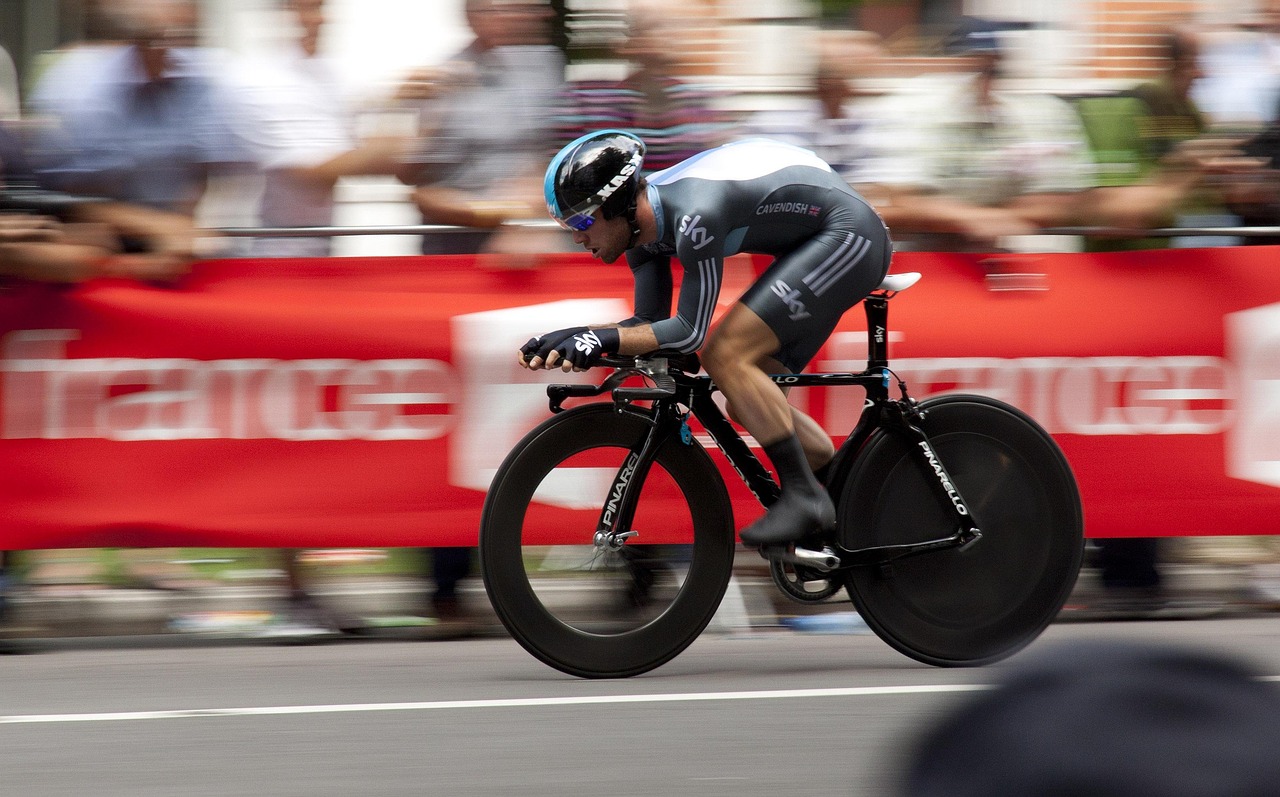

Mental Preparation for Cycling Races and Events
Mental preparation is crucial before participating in cycling races and events. Understanding this aspect can significantly impact your performance. Both novice and experienced cyclists often pay attention to their physical training but overlook mental conditioning. Yet, a strong mental approach can lead to better focus, determination, and resilience on race day. Cycling is a demanding sport that tests both body and mind. Proper mindset helps manage anxiety and promotes emotional stability, making it easier to combat various race-day scenarios. Visualization techniques, for instance, allow cyclists to mentally rehearse the course. By picturing themselves successfully navigating through challenging parts, they boost confidence and reduce stress. Additionally, cyclists should develop a pre-race routine that includes mental exercises like breathing techniques and affirmations. These rituals can calm nerves while reinforcing a positive mindset. Remember, your mental state can be as important as your physical readiness. Learn to embrace the mental hardships and prepare accordingly. Cycling is not just about strong legs; it’s also about a powerful mind. As cyclists develop these skills, they create a foundation for success in competitive cycling environments long-term.
Next, establishing specific goals for each event is essential. Setting clear, measurable targets enhances motivation and focus during training. Goals should be both realistic and challenging to push your limits. For example, aim for a personal best time or a consistent speed across a certain distance. Using a goal-setting framework, like SMART goals, can assist cyclists in creating actionable plans. This approach encourages accountability, essential in achieving targets while cultivating resilience. Celebrate small wins during training; these milestones build confidence and reinforce your continued journey toward larger goals. Additionally, strong mental readiness improves psychological flexibility, allowing athletes to adapt to unforeseen circumstances during races. Race scenarios may include unexpected weather changes or equipment failures, which could derail even the best-prepared cyclist. Practicing mindfulness can help cyclists maintain their composure in these situations. By developing mental agility, cyclists can navigate challenges efficiently while staying focused. Being mentally flexible prepares cyclists to adjust their strategies during races. Coupled with physical readiness, this adaptability is a vital skill for competitive cycling. Mental training should be an integral part of your preparation strategy, fostering resilience in the face of challenges on race day.
Strategies for Effective Mental Training
Creating a toolbox of mental preparation strategies is vital for every serious cyclist. Techniques such as visualization, positive self-talk, and mindfulness are beneficial for bolstering performance. Visualization involves imagining successful race scenarios, influencing both emotional and physical readiness positively. With regular practice, this technique strengthens neural pathways, making it easier to execute real-life racing strategies. Positive self-talk is another crucial mental tactic. The words you tell yourself matter; adopting an encouraging inner dialogue fosters confidence and reduces anxiety. It helps shift the focus from potential distractions to performance and achievement. Implementing affirmations, such as “I am prepared” or “I can push through any challenge,” can reframe self-perception. Furthermore, integrating mindfulness practices into daily training enhances concentration and helps maintain focus on the present moment. Such techniques can reduce feelings of overwhelm during intense racing conditions. A quiet mind translates into better decision-making during competitive situations. Cyclists benefit immensely from maintaining a healthy mindset. Cycling races demand both physical endurance and mental resilience — being prepared for both angles sets you apart as an athlete, positioning you towards successful race outcomes.
Overcoming Pre-Race Anxiety
Addressing pre-race anxiety is essential for cyclists wanting to perform their best. Anxiety is common among athletes, especially before significant events. Recognizing your emotional state is the first step to managing it effectively. Anxiety can manifest in various forms, including sleepless nights or excessive worrying about performance. Identifying these feelings allows you to employ coping strategies tailored to your needs. Practicing deep breathing exercises can significantly reduce tension. Deep breathing calms the nervous system, making it easier to alleviate anxiety symptoms. Additionally, integrating a positive pre-race ritual helps establish familiarity and comfort before competing. This might involve listening to your favorite music, visualizing success, or participating in light warm-up exercises. Another effective approach is to focus on the race process rather than the outcome. Concentrating on how to execute your plan can shift focus away from anxiety-laden thoughts about winning or losing. Engage in conversations with fellow cyclists to share experiences and insights, which can normalize your feelings. Understanding that others experience similar emotions can create a supportive racing environment and foster a sense of camaraderie. Building this mental resilience prepares you better for race-day challenges.
Additionally, seeking professional help from sports psychologists can also be beneficial. These experts possess specialized knowledge about mental training and coping mechanisms tailored for athletes. Enlisting their guidance can provide personalized strategies to address specific concerns, equipping cyclists better to handle competitive pressures. Moreover, they can introduce you to proven mental techniques that enhance overall race performance. Incorporating mental training as a regular part of your schedule is essential. This commitment ensures that you give equal weight to both physical and psychological aspects of cycling performance. Regular practice enhances the effectiveness of mental strategies during races. Strengthening your mental training reduces reliance on external motivation and builds self-reliance. Importantly, staying positive throughout the training and racing journey is vital. The mindset you choose can profoundly affect your performance outcomes. Embrace the challenges, learning from each race, and view every experience as a valuable learning opportunity. Positive transformations result from consistent effort and positivity in cycling. Ultimately, understanding the interrelationship between mental and physical preparation empowers cyclists to pursue success in their events.
Post-Race Reflection and Learning
After concluding a race, it’s crucial to engage in post-race reflection to enhance future performance. This process involves evaluating your race experience, identifying strengths and weaknesses. Review your pre-race mindset, racing strategies, and how you managed challenges. Analyzing these factors helps you understand what worked well and what could improve. Effective reflection fosters growth and understanding for future events. Consider maintaining a cycling journal to document your racing experiences. Recording insights promotes self-awareness, offering valuable information for your ongoing development as an athlete. Figure out areas that require more mental conditioning, ensuring that you focus your training efforts appropriately. Similarly, reflect on physical aspects of your performance, assessing your pacing strategy, nutrition, and recovery. Post-race evaluations should also include emotional processing, meaning recognizing feelings related to the race outcome. Accepting emotions without judgment helps you gain clarity and improve emotional resilience. Perhaps it wasn’t your best race, but learning from the experience is vital. This reflective practice cultivates continuous improvement, ensuring you maintain a balanced approach toward cycling. Remember, the road to success is built upon learning, adapting, and overcoming obstacles throughout your cycling journey.
In summary, mental preparation for cycling races and events plays a key role in performance. By focusing on various psychological aspects, cyclists can develop resilience, confidence, and adaptability in their racing encounters. Purposeful goal-setting, mental techniques like visualization and mindful practices, along with reflection, create a solid foundation for success. These strategies enhance both physical conditioning and mental stability. It’s essential to approach races with a mindset prepared for challenges while embracing strategies to manage anxiety. Post-race reflections serve as opportunities to solidify learnings, which can lead to growth over time. Engaging with sports psychologists can provide valuable insights into your mental preparation journey. Surrounding yourself with positive influences also bolsters your mental fortitude, allowing you to enjoy cycling events. Apply these mental preparation principles consistently during your cycling training, and you’ll see improvements not just in race performance but also in your satisfaction with the sport. As you cultivate your ability to manage both the mental and physical challenges of cycling, your overall experience will be richer. Pursuing cycling with a robust mental approach empowers athletes to achieve their personal best, irrespective of the competition and performance pressures they face.