
Exploring National Parks by Bike: Routes and Preparation
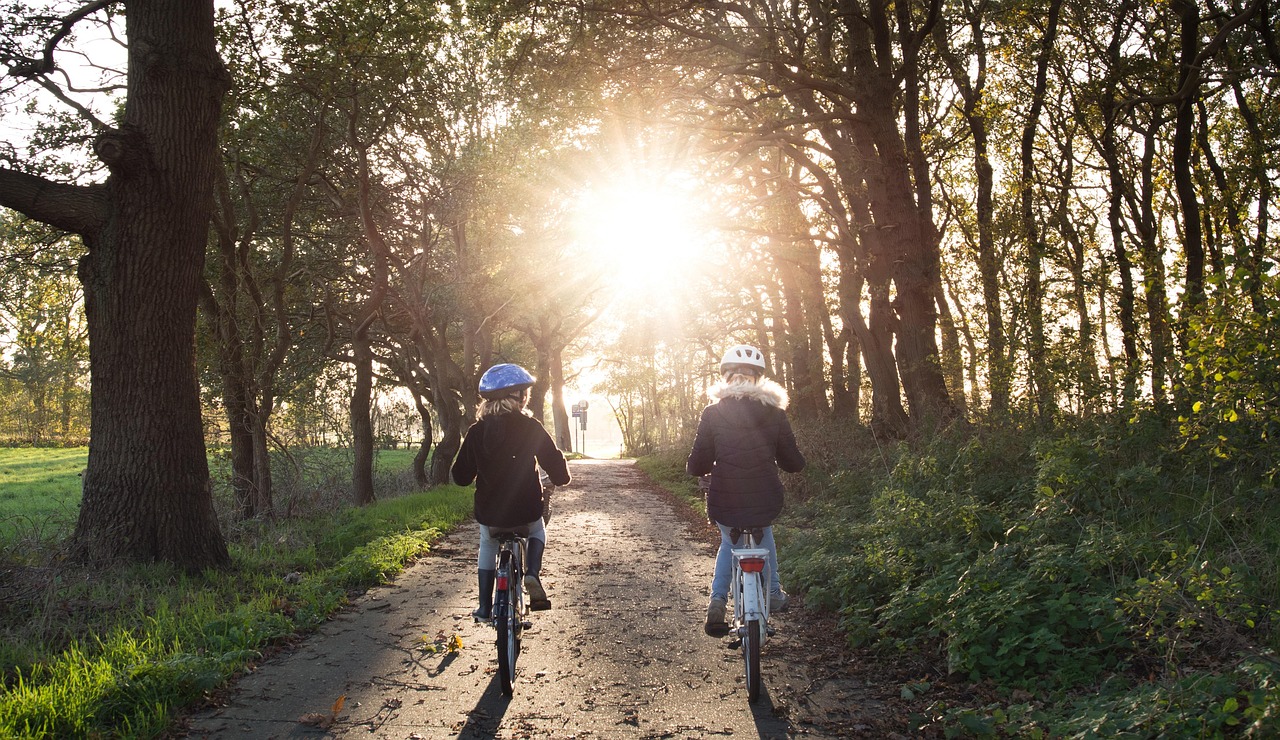
Biking through national parks offers unique opportunities for adventure, exploration, and connection with nature. To maximize your biking experience, it’s crucial to choose the right routes suitable for your skill level. Start by researching popular biking paths within various national parks. Websites like the National Park Service can provide helpful information. Consider trails renowned for their scenic views and diverse ecosystems. Evaluate the trail difficulty, length, and elevation before setting off. It’s also advisable to look into park regulations regarding biking; some areas might have seasonal restrictions or specific guidelines. Prepare adequately for your biking trip by packing essential gear. Always wear a helmet, and carry a repair kit, sufficient water, snacks, and a map. It’s best to ride with a companion for safety and motivation, especially on less-traveled paths. Check the weather beforehand to ensure a safe ride; biking during extreme temperatures can be uncomfortable or dangerous. Finally, remember to respect the park’s wildlife and environment. Stay on designated trails, admire nature, but do not disturb wildlife. By taking these steps, you’ll have an unforgettable adventure biking through our nation’s stunning national parks.
Once you’ve selected a national park, it’s time to consider the bike you’ll be using. Not all bikes are suitable for every terrain, so understanding your route is crucial. Mountain bikes are ideal for rugged, uneven trails, providing better stability and control. Alternatively, hybrid bikes can be versatile yet comfortable for both paved and dirt paths. If you plan different terrains in your adventure, such as paved roads and rocky paths, consider a bike that can handle both. You’ll also need to ensure your bike is in excellent working condition. Before your trip, check the air pressure in your tires, examine the brakes, and lubricate the chain to ensure smooth rides. Investing in quality bike accessories enhances comfort and enjoyment during your ride. Panniers or a sturdy backpack are practical for transporting essentials without straining your body. Remember to bring a first aid kit for small injuries; it’s better to be prepared than caught off guard. Each biking adventure can lead to unexpected encounters with beauty and challenges, making preparation key to enjoying a comprehensive experience in nature’s playground.
Essential Gear for Your Biking Adventure
Having the right gear can make all the difference in enhancing your biking experience in national parks. First, ensuring you have proper clothing suitable for biking is essential. Opt for moisture-wicking fabrics to keep you comfortable and dry. Layering is vital; temperature can change drastically while biking. Investing in biking gloves and padded shorts enhances comfort on longer rides. Bring sunglasses to protect your eyes from sun glare and dust. A good pair of sturdy biking shoes is also necessary, providing grip on the pedals while ensuring stability. Also, consider carrying a portable phone charger; capturing breathtaking views is a must, and you’ll want your camera ready at all times. If you’re planning to bike during twilight hours, invest in bike lights to illuminate your path. A comfortable saddle can help prevent discomfort during long rides. Besides your gear, physical preparation is equally important. Engage in stretching exercises to avoid muscle cramps. A few days of biking before your trip can help build endurance. Understand that every biking adventure offers new journeys, and taking the time to prepare will make your ride more enjoyable and memorable.
After preparing your gear, it’s time to outline your itinerary. Research different trail systems and their unique features within the national park. Many parks offer guided biking tours that can greatly enhance your experience; knowledge from local rangers enriches your understanding of the park’s history and ecology. Making initial decisions about your biking route can alter your experience. Prioritize trails that match your fitness level, ensuring everyone in your group can keep pace. Allocate ample time for breaks to appreciate the scenery, eat snacks, and hydrate adequately. Certain trails also boast designated rest areas with stunning viewpoints, which can enhance your experience. Map out picnic spots ahead of time to stop and refuel. Keep an eye on trail maps, especially if going off the beaten path. Exploring less-trafficked routes can lead to discovering hidden gems such as waterfalls or serene lakes. Many parks have apps that can help navigate trails, ensuring you stay on course. Research and planning can lead to a more enjoyable ride, permitting exploration and connection with the park’s environment. Your timeline should balance exploration with self-care to maximize enjoyment during your trip.
Safety First: Understanding Park Regulations
Every national park enforces specific regulations to preserve nature and ensure visitors’ safety. Understanding and adhering to these rules is critical when biking through national parks. Always familiarize yourself with general safety guidelines, so you’re aware of what to expect. For instance, some trails have designated biking hours; understanding these restrictions ensures you stay within park protocols. Riding on open roads may come with specific traffic rules; obey all stop signs and signals. Pay attention to wildlife crossing signs and remain cautious throughout your ride. When you encounter hikers, it’s courteous to yield the path, allowing them to pass safely. For unfamiliar spaces, try to dismount your bike when navigating steep or tough terrain. The park’s Visitor Center is an excellent resource for current trail conditions and any potential hazards. Also, educate yourself on the local wildlife in the area; knowing how to react if you encounter animals like bears or rattlesnakes is critical for ensuring safety. Remaining aware enhances your experience while respecting the park’s ecosystem, allowing a harmonious coexistence with nature and other park visitors.
Moreover, biking offers an exceptional chance to foster a connection with friends and family while exploring these amazing national parks. Coordinate trips with fellow biking enthusiasts and create memorable experiences together. Encourage beginner bikers to join; biking can build confidence and skills. Establish a group pace before starting; this helps prevent any frustrations and ensures a comfortable outing for everyone. Document your progress and experiences together through photos or journal entries, creating lasting memories while motivating future adventures. Sharing your biking experiences can also inspire others to venture outdoors. Celebrate shared downtowns and obstacles, reflecting on victories and the joy of overcoming challenges together. Organizing post-ride gatherings additionally offers opportunities to connect after your outings. Whether it involves sharing a meal or enjoying a bonfire under the stars, these activities cement bonds formed during biking adventures. Remember, biking is not just about the destination but also the journey—the connections made and the experiences shared. Ultimately, biking through national parks enriches your relationships and enables personal growth while enjoying stunning landscapes and fresh air in our beautiful country.
Post-Trip Reflection and Community Sharing
Upon returning from your biking adventure, it’s beneficial to take time reflecting on your experiences. Write down your thoughts about each trail and what you enjoyed most. Share your experiences through blogs or social media, providing tips and recommendations for fellow travelers. Utilizing platforms such as Instagram can help showcase your adventure. You may inspire others to explore biking trails in their local national parks. Engage with local biking communities or national park forums to exchange ideas and experiences with fellow biking enthusiasts. Your insights can lead to enriching conversations and ideas for future outings. Consider hosting meetups to discuss biking routes and experiences; these gatherings foster unity among outdoor lovers. Sharing your journey can inspire interest in conservation efforts; invoking a sense of responsibility encourages many to preserve the beauty of nature. Your experiences may motivate new biking habits, encouraging those to experience the great outdoors as you did. By promoting biking exploration in national parks, we contribute to building a stronger, environmentally conscious community, sharing our love for nature and adventure with all who are willing to listen.
Finally, integrating biking excursions into your lifestyle ensures not only active living but also enhances overall well-being. Riding through scenic vistas offers mental health benefits by reducing stress and boosting happiness. Exploring outdoors allows for unwinding, creating space for reflection while surrounded by nature. Additionally, biking places minimal impact on the environment, promoting eco-friendly travel. Few activities combine fitness and adventure as effectively as biking does. Making biking a cherished hobby can deepen your connection with nature and enrich your overall lifestyle. Start exploring various biking routes close to home before venturing out to the national parks. Discover local bike trails and engage in community activities; both can expand connections and motivate you to stay active. Join biking clubs and challenge yourself with group rides that strengthen your stamina and skills. As you discover the transformative power of biking, continue prioritizing nature in your life. Committing to outdoor activities reaps many rewards both physically and mentally. Eventually, you’ll find a greater appreciation for the planet while promoting an active lifestyle and fostering a more profound bond between you, your community, and nature.